


 አማርኛ
አማርኛ  English (UK)
  Русский
  বাংলা
বাংলা  العربية
  日本語
日本語  한국어
한국어  Magyar
  Norsk nynorsk
  Türkçe
  עִבְרִית
  Español
  Čeština
  Svenska
  Português
  Ελληνικά
  Suomi
Suomi  Nederlands
  Română
  Italiano
  Français
  Polski
  Українська
  Deutsch
  简体中文
简体中文  Slovenčina
  Српски језик
  اردو
اردو  Azərbaycan dili
  O‘zbekcha
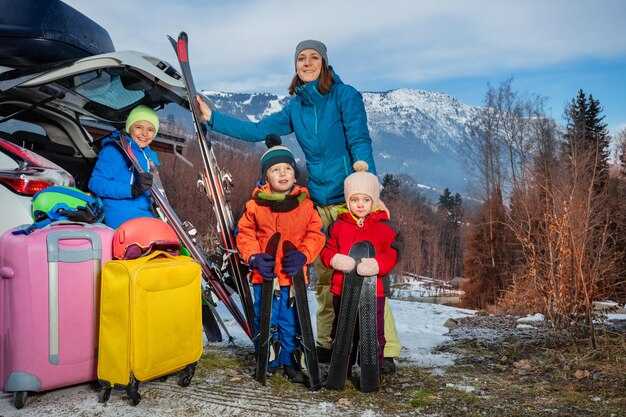
Tip 1: Begin with a 6-week close-to-home trial to test routines, routes, and schooling anchors from your current setup that you can measure. That concrete start gives you real data on meals, sleep, and vehicle needs, which keeps the plan doable and lets you adjust before longer stretches on the road.
Tip 2: Set a transparent family budget of roughly $4,000–$6,000 per month for a family of four – include fuel, campground fees, groceries, insurance, and occasional activities. Use a shared spreadsheet and review weekly; that clarity will give you more control and reduce stress. Track expenses by category and set a max on discretionary items, which helps you stay on track before a trip starts.
Tip 3: Plan schooling with a hybrid approach–remote classes, local co-ops, and hands-on projects. Map a weekly lesson plan that uses imagination to connect content with places you visit, which makes learning deeply meaningful. You can also pull examples from museums, nature preserves, and community programs to keep activities varied and engaging for each child. Create a simple checklist that matches your goals exactly to keep on track.
Tip 4: Optimize connectivity and safety–reliable internet, offline backups, and emergency plans. Stay connected to the world with a portable hotspot and a plan that covers multiple regions. Keep offline access for maps and schoolwork, and assemble a quick emergency kit with copies of IDs and important contacts.
Tip 5: Nail the vehicle setup and storage to cut messy clutter. Choose a vehicle with modular sleeping zones or a compact but functional kitchen; install organizers and a dedicated system for gear. Establish a daily 5-minute reset to keep the space clean, which helps you feel calmer on tired days.
Tip 6: Build healthcare and insurance coverage that travels with you. Get a policy that works across states or countries, and carry a quick medical history for each child. Keep a 30- to 90-day supply of essential meds when possible and schedule health checks at home base to avoid gaps when you have long stretches on the road. If a plan wouldnt work in a region, switch providers smoothly to stay protected.
Tip 7: Establish routines, communication, and boundaries to keep relationships strong. Set anchor times for meals, school, and exploration; use a shared calendar; rotate driving shifts so no one feels overwhelmed. Sometimes you will face a messy planning day, but stay flexible and remember that this is about shared experiences that mean a lot; also many moments will teach you something new, which you can feel in every reaction and choice.
Family Long-Term Travel Guide
Start with one base city for 4–6 weeks to lock in routines: grocery trips, laundry, school drop-offs, and a quick medical check. This action helps the family settle, reduces chaos, and tests logistics without hopping between places every few days.
Open a family page to log spending and capture every bill online in one dashboard. Set a weekly cap per family, leaving room for foreign costs like visa fees or currency changes. kevin helps tally receipts, keeping the plan simple so better decisions follow.
When dining out, target kid-friendly restaurants nearby, sample a few new dishes, and keep a steady coffee ritual to start mornings energized. Track which spots fit your budget and taste, so you can repeat the best picks in another city.
For work and learning, set a stable remote workspace in each base and block study time on a shared calendar. A quiet corner avoids distractions during school calls and keeps meals and activities smooth.
Messy days happen; pack a compact laundry kit and designate a weekly laundry window to stay clean and ready for outings. Plan a flexible schedule that allows a field trip after chores, so the pace stays doable.
Medical readiness stays simple: carry a compact kit, note nearby clinics, and confirm access for common needs in each country. Bring essential prescriptions and a list of local emergency numbers in your phone and on a paper copy.
Imagination thrives when kids control some of the itinerary. Use a photo journal, map games, and small projects to capture discoveries outside the apartment. Let kevin lead a taste test of a local snack and log the result on a getty-style photo page to see real progress on the page you built.
| City | ሳምንታት | Base Type | ማስታወሻዎች |
|---|---|---|---|
| Lisboa | 6 | Apartment near parks | Walkable, family-friendly markets, good for coffee breaks |
| Valencia | 5 | Serviced apartment | Bike-friendly, beach access, affordable dining |
| Chiang Mai | 6 | Studio | Low cost, solid medical access, vibrant local food scene |
How to Travel Full-Time with Family: 7 Practical Tips; 11 Realistic Expectations
Tip 1: Start with a plain, flexible plan that supports daily routines for kids and adults. If you started, youll adjust pace and keep school blocks brief and focused, while reserving time for exploration.
Tip 2: Pick a stable home base and 2-3 anchor spots in a neighborhood with reliable services.
Tip 3: Build a realistic budget that covers housing, health, education, transport, and surprise costs.
Tip 4: Pack light, and create a practical kit with essentials you can reuse anywhere.
Tip 5: Use offline-friendly tools for maps, learning, and family safety to avoid gaps.
Tip 6: Build local ties by joining events, helping neighbors, and learning basic phrases.
Tip 7: Document small wins with a post to share progress with friends and family.
Expectation 1: youll likely see slower school progress on travel days; plan short, focused sessions rather than long blocks.
Expectation 2: Some days feel chaotic due to delays and weather.
Expectation 3: Most people you meet are supportive; manage screen time to stay present.
Expectation 4: budgeting shifts with seasons; housing costs rise in busy periods.
Expectation 5: transit time tends to dominate schedules; build a few buffers.
Expectation 6: cultural differences enrich learning; plan to study local customs.
Expectation 7: language gaps are common; practical phrases and gestures help.
Expectation 8: health care planning matters; identify clinics in advance.
Expectation 9: homeschooling becomes a mix of live lessons and offline work.
Expectation 10: documenting experiences via post keeps family and friends connected.
Expectation 11: kids gain confidence and resilience as the family learns to adapt.
Tip 1: Define a family-friendly pace, route, and downtime
Set a daily travel cap of 3-4 hours and schedule one must-see stop that fits the tastes of the entire family; add a flexible buffer for weather shifts or naps so downtime is built in and the mood stays positive. Sometimes you’ll need to swap plans, and you can adjust easily to keep everyone engaged.
- Pace: Plan 3-4 hours of transportation per day, with a 60-90 minute downtime window between blocks. For younger travelers, insert a 15-20 minute stretch every 90 minutes; this keeps energy steady and helps avoid meltdowns. If a soccer practice comes up or a park is nearby, swap in a quick activity so the day remains easy to manage; this approach is very practical for busy crews.
- Route: Choose 2 core destinations per week, mixing nature with must-see spots that appeal to kids. Keep plenty of backup options along the route in case interests shift; locals, or citizens, can point to safe parks, playgrounds, and kid-friendly cafes. If Kevin is riding along, add brief detours to a local cafe or park; the kids were excited for the detour and the route stayed flexible.
- Downtime and seating: Use a rental minivan or SUV with seats designed for kids, and ensure car seats are installed correctly. Schedule downtime at parks, splash pads, or museums with interactive exhibits. Shared meals help manage appetite and conversation; after a 15-20 minute break, take a short stroll to get a taste for the new place. The matter of downtime is simple: 30 minutes every few hours keeps the entire crew cooperative, and this very thing reduces stress.
- Logistics and mindset: Keep a packing list and avoid overpacking; a frugal mind helps you choose cheaper activities, free parks, and local markets for meals. This approach works when you compare options and pick the best value. Getting a simple map and marking must-see stops keeps you on track, and post-trip notes help you improve next time. The entire family benefits when responsibilities are shared, including Kevin’s turn to handle the rental paperwork and seats.
Tip 2: Build a flexible budget with a family-safe emergency fund
Set aside at least 3–6 months of core life costs in a separate savings account as your family emergency fund. This buffer covers rent or mortgage, groceries, utilities, healthcare, and travel hiccups during a disruption.
Automate transfers: move 5–10% of take-home pay into the stash each month until you reach the target.
When planning a trip or a big move, adjust the fund by adding a temporary buffer for longer rests or potential delays.
Insurance plays a key role: compare health, life, car, and travel insurance; look for policies with flexible terms and broad coverage.
Keep a separate downtime fund for delays, broken gear, or sudden medical needs.
Review numbers quarterly and adjust as income or family size changes.
Example for a family of four in a mid-size town: core monthly costs around 3k; to reach 3 months, aim for about 9k; for 6 months, about 18k.
Time-saving tip: set up automatic transfers and label them clearly so you can monitor progress without fuss.
Keep your mind open and use imagination to map future needs, like medical events, car repairs, and school uniforms.
Good planning keeps you flexible on the road and helps you handle change without panic.
Tip 3: Select a mobile home setup that fits all ages and activities

ምኽሪ ፦ choose a bunkhouse or two-bedroom floorplan on a 25–35 ft travel trailer or a 30–34 ft Class C motorhome to keep private sleep spaces for adults and kids, plus a flexible living area for meals, school tasks, and downtime. This setup acts as a lifesaver for busy mornings, helping familys settle in quickly as travels begin.
Design the layout with two distinct zones: a parents’ space (60×80 queen bed) and a kids’ area (bunk beds or a convertible bunk). A door or curtain between zones boosts privacy, while a sofa bed in the living area expands capacity for guests or friends joining the travels. A dinette that converts to a bed adds flexibility without crowding the main spaces, so everyone involved can relax without stepping on toes during busy days.
Prioritize daily-life features that support remote learning and long grocery runs. Look for a covered entry, wide aisles, and non-slip floors, plus ample storage. A fridge in the 6–8 cu ft range is workable, but a larger 12–15 cu ft unit is a huge advantage for longer trips and frequent grocery stops. If you cook at home, a three-burner stove and a decent oven help making family meals, while an optional outdoor kitchen lowers indoor heat on sunny mornings and evenings. The dining area should comfortably fit a laptop for school work and a board game for downtime, keeping spaces versatile for everyone’s activities.
Power and tech matter when the call is remote work or online lessons. Plan a 200–600 W solar array with a 200–600 Ah lithium battery bank and a 2,000–3,000 W inverter. For remote sites, a reliable hotspot and a robust data plan keep video calls and streaming smooth. A backup generator adds peace of mind for longer off-grid stretches. Check manufacturer websites for exact specs, and read reviews from other families to see how the setup performs in real-world travels and weather conditions. There’s a clear advantage in models that balance power with space, reducing maintenance and downtime on the road.
ጠቃቀም በጀት: used units around $25k–$45k can cover older travel trailers with bunk options; new mid-range models run $30k–$60k, while Class C units start about $70k and can exceed $120k depending on options. For a truly roomy, feature-rich setup, expect $120k–$180k. Always verify GVWR, hitch weight, and payload to ensure you can carry bikes, scooters, and other gear without compromising safety. Use dealer websites to compare floorplans, then cross-check with reviews from familys like yours before committing. A well-chosen setup reduces expensive surprises and makes long travels more enjoyable for everybody.
Test plan: arrange a weekend stay in a family-friendly RV park that offers different sites to simulate real conditions. Check how the spaces work for mornings, meal prep, school tasks, and downtime; adjust zones with portable dividers if needed. There’s value in testing the flow with grocery runs, parking, and gear storage to confirm the layout truly fits your routine. Discover layouts that feel roomy, covered storage that’s easy to reach, and spaces that stay comfortable during extended stays–these choices make travels together smoother and more fun for the entire family.
Tip 4: Plan schooling, work, and daily routines on the road
Start with a concrete plan: lock a consistent daily routine that balances schooling, work, and downtime on the road. Block your day into three core areas: schooling hours, work tasks, and family time.
Choose a fixed workspace, a reliable internet plan, and a portable setup. Use three calendar blocks: ትምህርቲ ቤት, Work, ናሁ። Family Downtime, then align them to local time to avoid confusion when you cross time zones.
Schooling options across countries vary. You can use an online curriculum, enroll in local schools when you stop, or run a homeschool group with other families. Check policy on minors’ schooling, hours required, and attendance; track documentation and visa needs if you move between countries.
Daily routine example: 7:30–9:00 schooling block, 9:30–12:30 work tasks, 12:30–14:00 lunch and stretch, 14:00–16:00 language practice or fieldwork, 16:00–18:00 downtime with reading or games, 19:00 family time before bed. Keep the blocks flexible but reserved.
Gear and logistics matter: designate a reliable area in your vehicle or a small rented space for study, with a dedicated desk or table, proper chairs, and quiet ቦታዎች for tests or calls. Pack a compact bags with learning supplies, chargers, and backup devices. Use offline resources for downtime when signal drops.
Money and planning: keep a monthly budget for wifi, printer, and school fees; keep cards and currency in one bag; prepare a backup plan if your main workspace fails. If you stay in a city like ሉምፑር, scout coworking spaces or libraries that welcome families and offer quiet rooms.
Readers note: heres a concise note. አንተ ነህ not alone; there are ways ወደ care ምክንያት childrens while youre on the road. In countries with different policy, hours, ናሁ። ቦታዎች, both you and live with your family. ይከውን you ask ምንድን ምክንያት ይኑር? whether ከተማ ውስጥ ነው የምትኖረው ወይንስ ራቅ ባለ መንደር፣ በዚያ አሉ options እና ትችላለህ ተወሳኺ ዕረፍቲ ንመዓልቲ። ደርብ money, bags ንዕኡ እውን። ሉምፑር በካርታዎ ውስጥ።. readers ይዛመዳል childrens ታሪኮች፣ እና ምንድን ይሰራል። area ውስንነቶች፤ ቤተሰቦች የተወሰኑ ይፈጥራሉ። ግምቢ ቅዲ ኣገባብ ትምህርቲ ንምቅጻል ዝሕግዝ፤; made ልማዶች መልሕቅህ ይሆናሉ።.
ዳግም ምትሀጎስ እቅድዉ ኺጥየቕ፥ ኵሉ ሳዕ ድምጺ ስድራቤት ኣብ ማእከል ናይ ነፍሲ ወከፍ ምትዕርራይ ኣቐምጥ።.
ጠConseil N°5 : Etablir des rôles clairs, une communication ouverte et une prise de décision partagée
ፓርቲ ሓላፍነት መጀመርታ ንጹር ግበር እሞ ከምዚ ምስ ዝሰሓቱ ፕላናት ዝመጽእ ሕንክያ ክትቅንስ ትኽእል፣ ከምኡ'ውን መላእ ስድራቤት ኣብ ምድሪ ተረኺቡ ክኽተሎ ዝኽእል ቀሊል ኣካይዳ ፍጠር። ነፍስወከፍ መን ምዃኑን መልሲ ኺረክበሉ ዝኽእል ቦታ እንታይ ምዃኑ ምስ ዝፈልጥ መላእ ተጓዓዝቲ ሓድነቶም ይጠብቁ ጀብሃታት ከኣ የሐጕሱ።.
-
ሚናዎችን መግለፅ እና ኃላፊነቶችን ማሽከርከር
- እቅድ መሪ መንገዶችን፣ ጊዜን እና መግቢያ ነጥቦችን ይቆጣጠራል።.
- ፋይናንስን እና በጀትን መምራት ወጪን መከታተል፣ ደረሰኞችን መመዝገብ እና ዕለታዊ ወጪዎችን መገመት ነው።.
- ማደሪያ እና ካምፖች የስካውት አማራጮችን (ካምፖች፣ ክፍሎች፣ ሆስቴሎች) ይመራሉ እና ማረፊያዎችን ያስጠብቃሉ።.
- ምግቦች እና እንቅስቃሴዎች የምግብ ዕቅዶችን፣ ምናሌዎችን እና ለልጆች ተስማሚ የሆኑ ጀብዱዎችን ይመራሉ።.
- የጤናና ደህንነት መሪ የጤና ምልክቶችን፣ ድካምን እና የእረፍት ቀናትን ይከታተላል።.
- ቴክኖሎጂንና መዝናኛን የሚመራ ከመስመር ዉጭ ካርታዎችን፣ መሣሪያዎችንና የትምህርት ሥራዎችን ያስተዳድራል።.
በየ 4–6 ሳምንቱ ክህሎቶችን ለመገንባት እና ተሳትፎን ከፍ ለማድረግ ያሽከርክሩ። ማን ምን እንደሚያደርግ ግልጽ ሲሆንላቸው የበለጠ የባለቤትነት ስሜት እና ጥቂት ጥያቄዎችን ያያሉ።.
-
ማቅላል ያለ ውሳኔ ኣመራርት ኣቃውማ ይመስረቱ
- ናይ ምሉእ ጉዕዞ ጽልዋ ንዘለዎም ውሳኔታትን ልዕሊ ዝተወሰነ መጠን ዋጋ ንዘለዎምን፡ ቅልጡፍ ናይ 2 ደቒቕ ምትዕርራይ ግበሩ፡ ድሕር'ቲ ኸኣ ሓጺር ስድራቤታዊ ድምጺ።.
- የሚለው አማራጭ ከገደቡ በላይ ጊዜ ወይም ገንዘብ የሚጠይቅ ከሆነ፣ ኃላፊነት ያለው አዋቂ ከቡድኑ ግብዓት በኋላ የመጨረሻውን ውሳኔ ይሰጣል።.
- ተመዝግቦ መቀመጡን ለማረጋገጥ ውጤቱን በጋራ መዝገብ ላይ ያስቀምጡት ስለዚህ ሁሉም ሰው በኋላ ላይ ያለውን ምክንያት መከተል ይችላል።.
ይህ ውሳኔዎችን ግልጽ የሚያደርግ ከመሆኑም ሌላ የጉዞ ሙከራ በሚደረግባቸው ቀናት የሚደጋገሙ ክርክሮችን ይቀንሳል።.
-
ዕለታዊ ቼክ-ኢን ያዘጋጁ እና ሞመንተምን ይጠብቁ
- በማቆሚያ፣ በካምፕ ጣቢያ ወይም ሎቢ ላይ የ15 ደቂቃ የጠዋት ስብሰባ በማድረግ ቀኑን ስለሚሆነው ነገር መረጃ መለዋወጥ።.
- ግምገማ የአየር ሁኔታን፣ የመንዳት ጊዜዎችን፣ ምግቦችን እና እንቅስቃሴዎችን፤ እንዲሁም እንደ አስፈላጊነቱ አስተካክል።.
- ተጋሩ ሓባራዊ መዓርግን ፈጣን ጽሑፍ መዝገብን ምእንቲ ኹሉ ሰብ ናበይ ትኸዱ ከምዘለኹምን ስለምንታይን ክፈልጡ።.
አተንክከን አከረረችው አሰፈነችው አሳስበችው፣ አክነሠተንኽው ለነብሰርኣት መብራዕት ኣኻልዕንት ንዕትኽታት ዓመታት።.
-
ቅልጡፍ ውሳኔ መዝገብ ህይወት አድን ይሁን
- መዝገብ ዕለት፣ እትም፣ አማራጮች ተመልከት፣ ድምጽ የሰጡ ሰዎች፣ ውጤቱም።.
- በየሳምንቱ የምዝግብ ማስታወሻውን በመገምገም ምን እንደሚሰራ እና ለቀጣይ ካምፖች ወይም ማቆሚያዎች ምን ማስተካከል እንዳለብዎ ይወቁ።.
በዚህም፣ አንድ ምርጫ ለምን እንደተደረገ በትክክል ታውቃለህ ወደፊትም ጥያቄዎችን ከመድገም ትቆጠባለህ።.
-
መግባቢያ ደንቦችን ይግለጹ እና ግጭቶችን ያስተዳድሩ
- ተሳተፍ, ንቁት ምክልኻል, ከምኡ'ውን ኣነ-ኣረፍተ ነገራት ኣብ መስርሕ ዘተ ተጠቐም።.
- ድኺ ሓደ ሰብ ተሰሚዑዎ ዛሕል እንተ ዀይኑ፡ ዕረፍቲ ይሃቦ፡ እንደገና ዕዮ ምደቦ፡ ወይ ድማ ግቡእ ተለዋወጡ፡ ምእንቲ እቲ ስራሕ ቀጻሊ ንዅሎም ክኸውን።.
- ችግሮችን እንዳይባባሱ ባሉበት ቅጽበት አስተካክሉ፤ ትኩረቱም ደህንነቱ በተጠበቀና አስደሳች በሆነ ጉዞ ላይ ያድርጉ።.
ክፍት የውይይት መድረክ እምነትን የሚጋብዝ ከመሆኑም በላይ እነዚህ ውይይቶች አድካሚ ከመሆን ይልቅ ገንቢ እንዲሆኑ ያደርጋል።.
-
በተግባራዊ መሳሪያዎች ያስታጥቁ ቀጣይነት ላለው አጠቃቀም
- ማተሚያ ፈጣን-ማጣቀሻ ወረቀት ከ ሚናዎች እና ከእውቂያ ቁጥሮች ጋር።.
- የጋራ የጉዞ ቀናት፣ የማረፊያ መስኮቶች እና ካምፖች የቀን መቁጠሪያ።.
- ካርታዎች ከመስመር ውጭ እና ዕለታዊ ወጪን ለመከታተል የሚያስችል ቀላል የበጀት ሉህ።.
- የሚበረክት የእንክብካቤ መሣሪያ እና አስፈላጊ በሚሆንበት ጊዜ ለማረፍ ጸጥ ያለ ክፍል ቦታ።.
እነዚህ ድጋፎች የፈተና ቀናትን ጭንቀት በመቀነስ ለአዋቂ ተጓዦች ጨምሮ ለሁሉም ጀብዱዎች አስደሳች እንዲሆኑ ያደርጋሉ።.
-
ተጨባጭ ዓለማዊ ኹኔታዎች እና ፈጣን ትርዒቶች ተግብር
- ጉዳይ፡ ውሱን አማራጮች ባሉበት ካምፕ ጣቢያ ደረስክ። የመስተንግዶው መሪ 3 አማራጮችን ያቀርባል፣ የበጀቱ መሪ ወጪውን ይመዝናል፣ እና ቤተሰቡ አጭር ውይይት ካደረጉ በኋላ ድምጽ ይሰጣሉ። ከተስማሙ ወደፊት ትሄዳላችሁ፤ ካልሆነ ግን ለመቀጠል ርካሹን አማራጭ ምረጥ።.
- ጉዳይ፡ የአየር ንብረት ለውጥ እና የካምፕ ከባድ ይሆናል። የጤና መሪው በአቅራቢያ ያለ ማረፊያ አማራጭ ይጠቁማል፣ የጉዞ መሪው እቅዱን ያዘምናል፣ እና እርስዎ እንቅስቃሴዎችን የሚቀንስ ቦታ ይመርጣሉ።.
ይህ ልምምድ እምቅ ግጭትን ወደ ቀጣይ እድገትና ለእያንዳንዱ ጀብዱ ደህንነቱ የተጠበቀ ፍጥነት ይቀይራል።.