


 አማርኛ
አማርኛ  English (UK)
  Русский
  বাংলা
বাংলা  العربية
  日本語
日本語  한국어
한국어  Magyar
  Norsk nynorsk
  Türkçe
  עִבְרִית
  Español
  Čeština
  Svenska
  Português
  Ελληνικά
  Suomi
Suomi  Nederlands
  Română
  Italiano
  Français
  Polski
  Українська
  Deutsch
  简体中文
简体中文  Slovenčina
  Српски језик
  اردو
اردو  Azərbaycan dili
  O‘zbekcha
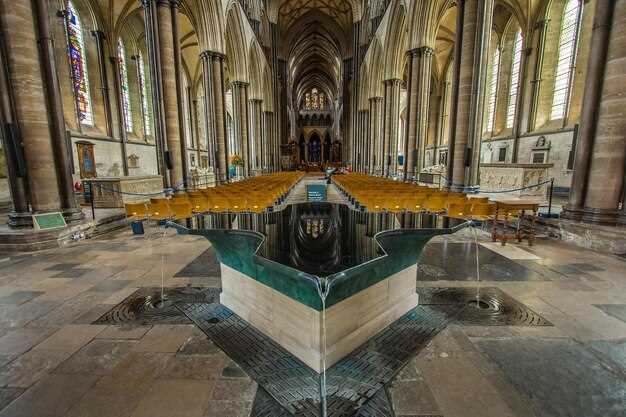
Saint Paul’s Cathedral stands as a monumental testament to the passage of time, its grand structure meticulously built to inspire awe among worshippers and visitors alike. The cathedral, designed by the renowned architect Sir Christopher Wren, elegantly combines elements of the classical and Gothic styles, showcasing a magnificent dome that rises above the London skyline. This iconic building carries a rich history, having been the site of numerous significant events, from royal weddings to state funerals, each case further enriching its storied past. As you step onto the grounds, the sense of reverence and history can be felt whispering through the air, urging you to explore its inner sanctum.
Visitors to the cathedral can expect to be captivated by the sheer beauty of its intricate glass engravings and the expansive gallery that draws the gaze upward toward the heavens. The structure is not only a place of worship; it serves as a beacon of resilience, having survived the decaying pressure of time and the ravages of war. Among the many features of Saint Paul’s are the impressive tombs of notable figures, including the celebrated poet Lord Alfred Tennyson. With each step you take, consider the countless souls who have stood upon the same stone, their lives caught within the immense history that this church conceals.
Whether you’re an architecture enthusiast or simply seeking a spiritual retreat, Saint Paul’s Cathedral offers special additions to your itinerary. The choice of visiting this magnificent site during various times of the year can enhance your experience, as seasonal events and activities unfold. As you stand at the southwest entrance, take a moment to absorb the grandeur before you–its towering heights and the remarkable diameter of the dome evoke a sense of wonder that is difficult to describe. A visit here promises to be more than just a casual excursion; it is an opportunity to connect with the very essence of London’s heritage.
History of Saint Paul’s Cathedral
Saint Paul’s Cathedral, an iconic symbol of London, has a rich history that dates back to the 7th century. The first church on this site was built by the Bishop of London, Erkenwald, around 604 AD; it was a modest structure primarily dedicated to worship. However, this early cathedral faced continuous threats, including destruction by fire and Viking raids, which led to various reconstructions over the centuries. The most significant event occurred in the 15th century when the original building was replaced by a much larger and more elaborate Gothic structure, a testament to the evolving architectural styles of the time.
In 1666, the Great Fire of London devastated much of the city, including the existing cathedral. Sir Christopher Wren, tasked with rebuilding Saint Paul’s, designed the current structure, which was completed in 1710. Wren’s architectural vision incorporated classical elements with a distinctive dome, which has since become a defining feature of London’s skyline. The shape of the dome is particularly noteworthy, as it was inspired by other grand structures, and showcased Wren’s desire to blend functionality with beauty.
Throughout its history, Saint Paul’s has served not just as a place of worship but also as a site of significant national events. Notably, it has been the location of many royal ceremonies, including the funerals of Lord Nelson and Sir Winston Churchill. Additionally, the cathedral holds numerous tombs and memorials, including the final resting place of the Duke of Wellington. The crypts beneath the cathedral contain the tombs of many notable figures, reflecting a rich heritage and the significance of the site as a source of British history.
Today, Saint Paul’s Cathedral stands not only as a religious building but also as an architectural marvel. The latest restoration efforts have preserved its stunning glass windows and intricate stonework, ensuring that future generations can appreciate its grandeur. The cathedral is also an important part of London’s urban landscape, attracting millions of visitors each year who come to admire its beauty and learn about its historical significance. Whether wandering through the upper galleries or exploring the depths of the crypt, each visitor can find a specific point of interest that tells a story of faith, resilience, and artistic achievement.
The Origins: From 1255 to 1314
The origins of what is now known as Saint Paul’s Cathedral can be traced back to the year 1255, during a time when the town of London was evolving rapidly, as it was witnessing both civil growth and architectural ambition. The first structure built on this site was primarily a modest church that catered to the spiritual needs of the local population, but it incited important developments. This chapter in history marked a significant choice for London, as the church’s location on a hill provided a vantage point for preaching to both the poor and wealthy citizens alike.
By the late 13th century, the condition of the original building had begun to deteriorate. Repairs were often inadequate, and the structure suffered from the passage of time, with elements sometimes concealed from view. As the years went by, the need for a grander edifice became ever more pressing, prompting the decision to undertake a substantial rebuild. This endeavor was not without disruption; by the year 1314, the plans had expanded, leading to a significant reimagining of the cathedral’s design, which would incorporate the emerging Gothic style.
During this period, a peal of bells rang out across the city, becoming symbols of both hope and resilience. Notably, the efforts were supported by local craftsmen, who brought their unique skills to the forefront. The sculptor Thomas was particularly well-known for his artistic contributions, providing decorative elements that adorned both towers and tombs. The structures that emerged were not just religious venues; they also reflected the aspirations and artistic pursuits of the time.
Mentioning the structure’s uniqueness, it is important to highlight the diverse influences that shaped its design. Elements were inspired by both local Gothic traditions and influences from distant places such as Wales, where artistry flourished in a manner akin to what was being developed in London. The choice of materials, including tonnes of local stone and intricate glass, added to the cathedral’s majesty, while the inner roof structure took on distinctive shapes that impressed visitors from far and wide.
In June of every year, the community would come together to celebrate the cathedral as a central pillar of their lives. Kings walked its halls, and artists painted scenes worthy of its grandeur, often depicting the bustling activity of the town bridged with the serenity found within. Through the years, Saint Paul’s Cathedral has stood the test of time, as it continues to embody the spirit of London – a living testament to the vision that began in 1255 and transformed through centuries of achievements and challenges.
Significant Events: The Great Fire of London 1666

The Great Fire of London in 1666 stands out as one of the most pivotal events in English history, fundamentally transforming the city. Beginning on September 2nd, the fire swept through the heart of London, overseeing the destruction of approximately 13,200 houses and 87 parish churches, including the original Saint Paul’s Cathedral. The familiarity of the streets was altered intire as the flames consumed shops, businesses, and homes in a matter of days, leaving a significant part of the city in ruins. With the rebuilding efforts that followed, architect Sir Christopher Wren was given the right to design a new cathedral, leading to the creation of the beautiful structure we admire today.
This event highlighted the need for improved urban planning and fire regulations, as the previous wooden structures contributed to the rapid spread of flames. Wren’s design incorporated elements like the grand steeple and the iconic dome that currently define the cathedral’s skyline, showcasing a perpendicular Gothic style combined with classical influences. The intricate friezes and buttresses of the new cathedral not only served functional purposes but became symbolic representations of London’s resilience and ability to rise again. Visitors today can witness these architectural marvels, taking in the sight from various angles, whether they stand inside, look through a window, or view it from the banks of the River Thames, where the structure leads to a deeper exploration of the city’s magnificent history.
Decline of the Cathedral in the 16th Century
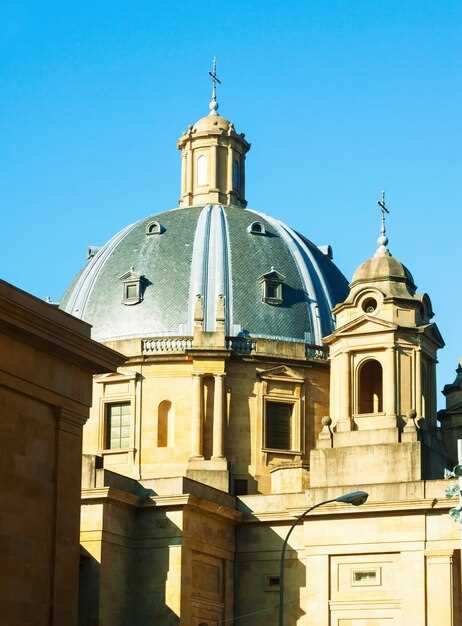
During the 16th century, Saint Paul’s Cathedral experienced a significant decline, primarily due to the tumultuous political and religious transformations occurring in England. Under the tumultuous reign of King Henry VIII, the nation underwent monumental changes that impacted the worship practices and the physical integrity of the cathedral itself. The turbulent atmosphere left many cathedrals, including Saint Paul’s, in a state of uncertainty as records show that previous patrons and restorers were less involved in its upkeep during this era.
The architectural style of Saint Paul’s, which had once been an unequivocal symbol of Christian faith, began to shift. With the rise of Protestantism, the traditional Catholic rites were questioned, leading to a period where the cathedral’s contents were re-evaluated. Many elements, such as stained glass windows and ornate altars, were removed or altered, leaving behind a stone structure that was stripped of its former glory. It was during this time that the bells of the cathedral, which once pealed joyously, faced disuse and neglect.
As the century progressed, incidents of vandalism brought about further decline. Instances of soldiers and common folk wandering through the sacred space became more frequent, and the sound of their whispering often drowned out the few remnants of worship. Although the church leadership, including key figures like Edward VI, attempted to oversee the remaining services, the sense of reverence had significantly diminished among the populace.
The south-west steeple, which had stood watch over the river and city alike, became less of a sight to behold for the citizens of London. The monument was overshadowed by the rise of various secular shops and businesses that grew around it, sometimes distracting from the cathedral’s grandeur. Engravings and sketches from that time note that the cathedral stood as a relic of a bygone era, overshadowed by the changing societal values.
Notably, the jubilee celebrations that were once a hallmark of Saint Paul’s were now a mere shadow of their former selves. Viewing the cathedral became an occasional leisure activity rather than a communal rite. The majestic stone and glass structure, which had once been a beacon of faith and unity, saw its visitors treat it with an indifference that echoed the uncertainties of the time.
In instances where significant architectural work was executed, it was often done with materials and style that did not match the original design. This further contributed to the decline, as the seamless beauty of the nave became disrupted by disparate additions. Despite the architectural beauty of its classical outlines, many critics noted that repairs had taken a toll on the cathedral’s cohesive sense of shape and integrity.
Overall, the 16th century proved to be a challenging time for Saint Paul’s Cathedral. The waves of change surrounding its existence forced the building into a transitional phase, leaving it vulnerable and neglected. Though it would eventually recover to reclaim its status, the decline during this pivotal century showcased the complexities of faith and devotion in a rapidly evolving society.
Restoration: The Work from 1621 to 1666
The history of Saint Paul’s Cathedral is marked by an impressive restoration effort that spanned from 1621 to 1666. This period was characterized by heavy damage due to various factors, including the civil turbulence of the time. After significant losses, the heirs of the original designs sought to bring back the majestic structure that symbolized London’s resilience.
During the early years of the restoration, a multitude of specific repairs was executed to address the ornate details of the cathedral. Notably, the engravings and decorations that adorned its interior were meticulously restored. Although records from this time are scarce, they reveal that the city was determined to reinstate the wonder of their beloved cathedral.
In July of 1666, disaster struck. The Great Fire of London brought about a halt to many projects, including those at Saint Paul’s. However, instead of being completely lost, the cathedral was fortunate to be protected from the flames, mainly due to its unique shape and the materials used in its construction. The west of the cathedral, framed with beautiful glass, remained somewhat intact as the fire raged through the city.
The restoration of Saint Paul’s was about more than merely repairing water damage or replacing burnt parts. It became a major undertaking that involved many aspects of architectural revival. The duke overseeing the project was especially invested in ensuring that the cathedral was rebuilt to be a symbol of London’s magnificence. This driving vision resulted in some additions that balanced the historical aspects with contemporary needs.
Most restorations involved not just the visual elements, but also the structural integrity of the building. The repairs necessitated the use of tonnes of materials, ensuring that the cathedral could withstand future challenges. This effort marked a turning point in how public spaces for worship would be designed in the subsequent years.
Among the most remarkable elements introduced during this restoration was the new peal of bells designed to evoke a sense of place and time. The sound carried through the city, reminding the residents of their rich heritage. Residents and visitors alike were encouraged to explore this magnificent structure, which was now even more aligned with the ideals of the day.
By the end of the restoration period, Saint Paul’s had transformed into a beacon of hope and continuity. Indeed, it stood as a testament to the ingenuity of London’s architects and builders, ready to serve its community for centuries to come. As we reflect on this wonderful chapter of its history, we know that the cathedral has been more than just a building – it is a symbol of spiritual endurance and architectural prowess.
In summary, the restoration of Saint Paul’s Cathedral from 1621 to 1666 involved detailed work carried out by many skilled artisans. Each decision made during this time aimed to protect and enhance the cathedral’s historical significance while also addressing the needs of a growing city. With its rich heritage and resilient spirit, Saint Paul’s isn’t merely a landmark but a piece of living history that continues to inspire awe.