


 አማርኛ
አማርኛ  English (UK)
  Русский
  বাংলা
বাংলা  العربية
  日本語
日本語  한국어
한국어  Magyar
  Norsk nynorsk
  Türkçe
  עִבְרִית
  Español
  Čeština
  Svenska
  Português
  Ελληνικά
  Suomi
Suomi  Nederlands
  Română
  Italiano
  Français
  Polski
  Українська
  Deutsch
  简体中文
简体中文  Slovenčina
  Српски језик
  اردو
اردو  Azərbaycan dili
  O‘zbekcha
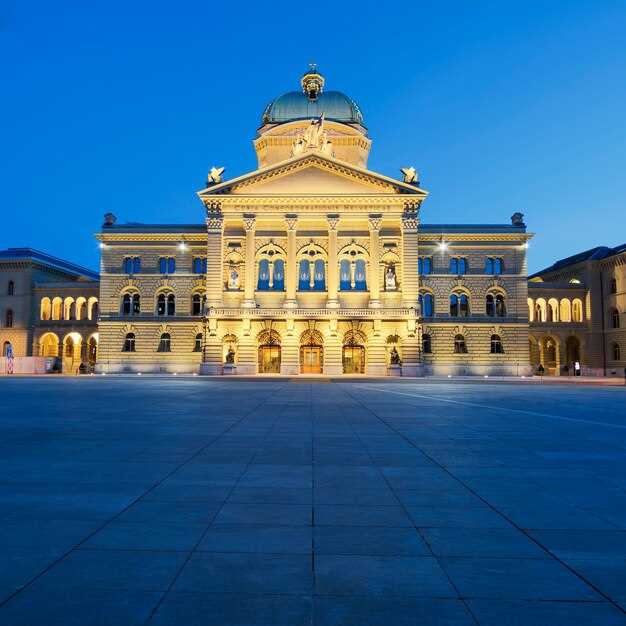
Schönbrunn Palace, a magnificent symbol of Austria’s imperial past, offers visitors a unique insight into the opulent lifestyle of the Habsburgs. This grand schloß was originally designed as a summer residence for Empress Maria Theresa in the 18th century and stands as a testament to the extravagant rococo style that characterizes much of its architecture. Today, the palace attracts countless visitors who explore its stunning landscape and richly decorated rooms, including the renowned ሳሎን, where one can imagine the elaborate festivities hosted by the imperial court.
At the heart of the palace is its remarkable orangery, which served as a setting for exquisite concerts featuring the works of famous composers like Johann Strauss. The rich history and cultural relevance of Schönbrunn make it a must-see destination for anyone visiting the city. As you walk through the grand halls and admire the mirrors that reflect the lavishness of the past, you will feel as if you’ve stepped back in time to a period of immense beauty and cultural innovation.
The extended grounds of Schönbrunn Palace are equally captivating, offering visitors a chance to enjoy leisurely strolls among meticulously manicured gardens and ornate vases. The idyllic surroundings create an unforgettable ambiance that perfectly complements the palace’s remarkable architecture. As one of the oldest and most significant cultural heritage sites in Austria, Schönbrunn is not just a palace; it is a living museum that preserves the legacy of the Habsburgs for future generations.
Discover the Historical Significance of Schönbrunn Palace
Schönbrunn Palace, with its impressive history, stands as a testament to the political and cultural significance of the Habsburg Empire. Initially constructed in the 17th century, the palace served as a summer residence for the emperors, symbolizing their power and refinement. The term “Château” is often used to describe it in the context of its French architectural influences, which complement its stunning baroque design. Notably, the palace offers a flexible approach to exploration, with tickets available daily that grant access to various rooms, including the lavish Hall of Mirrors, which has witnessed numerous important events in history.
The artistic contributions to Schönbrunn Palace are noteworthy, with impressive collections of paintings and sculptures that reflect the tastes of Empress Maria Theresa. Under her reign, the palace underwent extensive renovations, transforming it into a grand symbol of Habsburg authority and a center for art-loving individuals. The rooms, including the salon adorned with exquisite vases, display the finesse of craftsmanship that was prevalent during the period, making them a highlight for visitors today. Surrounding the palace are beautiful gardens, which remain active settings for cultural events, especially in the busy summer months.
Moreover, the extensive grounds of Schönbrunn include a stunning orangery and the famous maze that attracts visitors who enjoy intricate outdoor activities. The labyrinthine paths of the gardens mirror the complexities of the Habsburg legacy, filled with individual stories of emperors, like Franz Joseph, and the troops that once populated these grounds, including the ones drawn here during political turmoil. These depredations and various historical transitions have shaped the palace into the UNESCO World Heritage site it is recognized as today.
In the serene evenings, the beauty of Schönbrunn shines, captivating those who wander through its park. The sprawling landscape features elements of both Spanish and German design, creating an inviting escape from the urban hustle. As guests walk through the grounds, they can reflect on the life of Empress Maria Theresa, who managed to blend elegance with strategic power in various settings across her empire, including her beloved Schönbrunn, where her legacy continues to live on in the hearts of visitors and historians alike.
What Makes Schönbrunn a UNESCO World Heritage Site?
Schönbrunn Palace, a magnificent architectural masterpiece, was inscribed as a UNESCO World Heritage Site in 1996, acknowledging its cultural significance and historical value. Built during the 18th century, the palace embodies the grandeur and elegance typical of the Baroque style, reflecting the aspirations of the Habsburg dynasty. When Emperor Leopold I first commissioned the project in the late 1600s, he aimed to create a summer residence that would stand as a symbol of power and prestige.
One of the most remarkable aspects of Schönbrunn is its extensive gardens, which have been meticulously designed to complement the architectural features of the palace. These gardens are not only aesthetically pleasing but also represent the era’s horticultural practices, showcasing a variety of plant species and stunning landscaping. The gardens include numerous fountains, statues, and the famous Gloriette, from which visitors can enjoy a panoramic view of Vienna.
Inside the palace, visitors can explore over 1,440 rooms, each adorned with exquisite frescoes and intricate detailing. The most notable are the rooms where significant historical figures, such as Emperor Franz Joseph and Empress Elisabeth, once resided. The palace also features a concert hall that has been used for performances by renowned composers, including Mozart and Strauss, enhancing its cultural legacy.
The site has withstood various challenges throughout history, including depredations during military conflicts. Nevertheless, extensive restoration efforts have preserved its essence and charm. These efforts are vital in saving not only the architectural integrity but also the historical narratives woven into the fabric of Schönbrunn. Today, the palace stands as a testament to the resilience of cultural heritage and the dedication required to maintain it.
Schönbrunn also offers guided tours that delve into the lives of the Habsburgs and the significance of the palace in the context of Austrian history. Visitors can appreciate its role as a cultural hub, where art, music, and architecture converge. In the summer, the site attracts thousands, becoming a busy destination for both tourists and locals, all eager to experience its timeless charm.
The combination of architectural brilliance and lush gardens makes Schönbrunn a prime example of a cultural landscape, which UNESCO aims to protect. It serves as a reminder of Austria’s imperial past while continuously engaging the public through various events, including concerts and exhibitions. The palace can be seen as a vibrant living history, with each corner whispering tales from past centuries.
In conclusion, Schönbrunn is not merely an architectural landmark; it is a narrative of Austria’s heritage. Recognized as a UNESCO World Heritage Site, it embodies the artistic endeavors and historical developments that have shaped the region. Anyone who visits can appreciate the significance of this site, making it a must-see for those interested in culture, history, and the arts.
Key Historical Events That Shaped the Palace
Schönbrunn Palace, a splendid jewel in Vienna, has been shaped by numerous key historical events that reflect both its cultural significance and architectural grandeur. Originally constructed in the 17th century, it became a pivotal site during the reign of the Habsburg dynasty, specifically under Emperor Leopold I, who initiated its transformation into a grand summer residence.
In the mid-18th century, Empress Maria Theresa made substantial contributions to the palace’s design and functionality, turning it into a grand court center. Her vision led to the creation of impressive gardens that showcased the grandeur of the baroque style, allowing visitors today to explore vast areas that include groves, fountains, and a remarkable labyrinth.
During the late 18th century, the palace welcomed significant individuals, including Emperor Joseph II, who utilized it as a primary location for court events. This era cemented Schönbrunn’s role as a key venue for cultural and political gatherings, further enhancing its reputation among aristocrats and tourists alike.
- 1780: Death of Empress Maria Theresa
- 1792: Execution of Louis XVI; European tensions displayed through events at Schönbrunn
- 1814: Congress of Vienna, reaffirming its role in European diplomacy
Following the Napoleonic Wars, Schönbrunn saw a revival in its cultural activities. The presence of Emperor Franz I marked a period of revitalization with artistic endeavors flourishing within its distinguished rooms. The palace’s interior was extensively renovated, with each room representing the taste and preferences of the time, captivating future visitors.
In the 19th century, the palace was also the site of numerous royal marriages, including that of Archduke Franz Ferdinand, which added layers to its rich historical tapestry. These personal events highlighted the importance of Schönbrunn not only as a residence but as a key player in the diplomatic relations of the era.
The creation of the Schönbrunn Zoo in 1752, which sports exotic animals from the far corners of the world, is another important historical milestone. Today, it draws families and tourists, further contributing to the palace’s enduring legacy as a center of entertainment and education.
Even after falling under the guidance of the Republic of Austria, Schönbrunn Palace has maintained its position as a symbol of Vienna’s heritage. Its remarkable architecture and captivating gardens, combined with the rich individual stories of the Habsburgs, provide a comprehensive view into the past that continues to allure tourists from around the globe.
The Role of the Habsburgs in Schönbrunn’s History
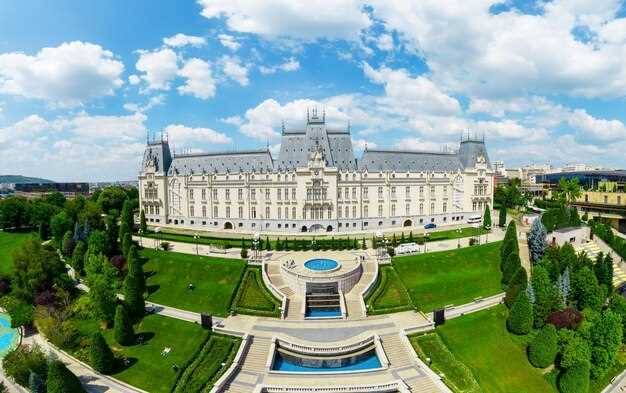
The Habsburgs have played a pivotal role in the history of Schönbrunn Palace, which serves as a grand monument to their enduring legacy. Initially commissioned as a hunting lodge in the 17th century, it evolved into a magnificent summer residence for the imperial family. The palace, with its elaborate decorations and stunning architecture, became the center of court life, reflecting the customs and grandeur of the Habsburgs’ reign. Each emperor, from Joseph II to Franz Joseph I, contributed to the enhancements, ensuring that Schönbrunn remained relevant as a royal residence and a symbol of power.
The expansive gardens surrounding Schönbrunn are equally significant, designed in accordance with the formal landscape traditions of the time. Those gardens, which include the famous maze and the beautiful orangery, were not only aesthetic settings for royal events but also practical spaces for recreation and leisure. Visitors today can still admire the intricate designs and the views they offer, transporting them back into the elegant world of the Habsburg court. These gardens also served as a ‘school’ of gardening and landscape architecture, influencing garden design in Austria and beyond.
Throughout the years, Schönbrunn has hosted numerous historical scenes, marking important events and gatherings of the Habsburg dynasty. Notable figures like Empress Elisabeth spent much of their time within these walls, making it a vital part of their lives and legacies. After the imperial widow’s passing, the palace continued to resonate with her spirit, while still standing as a place for visitors to connect with the past. Today, it is possible to take guided tours that delve into the lives of those who once resided there, offering insights into the customs and traditions that defined the imperial household, ensuring that the history of the Habsburgs remains a cherished subject for all who visit.
Exploring the Gardens: A Historical Perspective
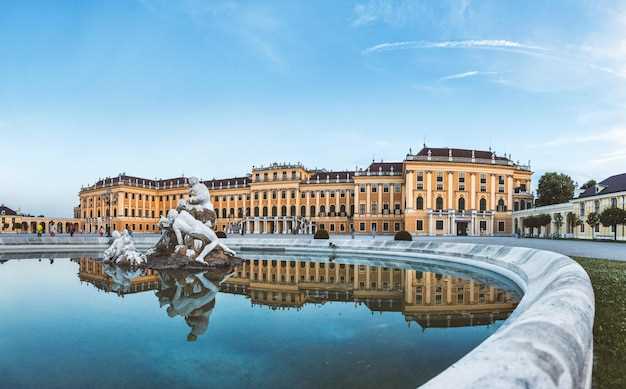
The gardens of Schönbrunn Palace, a jewel of Baroque architecture, offer a fascinating glimpse into the rich history of the Habsburg dynasty. Designed in the 18th century, these extensive grounds were meticulously planned to reflect the grandeur of the imperial residence. Each section of the garden serves not only as a beautiful landscape but also as a representation of the cultural values of the time. Among its many features, the labyrinth stands out as a playful yet sophisticated element, inviting visitors to explore and enjoy the charm of the grounds while experiencing a slice of history.
Under the guidance of renowned architects such as Johann Erlach, the gardens underwent various transformations that paralleled the evolving desires of the imperial family. The unique arrangements of mirrors, pathways, and well-maintained lawns exemplify the aesthetic principles of the Baroque period. Daily activities in the gardens not only provided leisure for the emperors but also served as a backdrop for official events and gatherings with partners and guests. Today, visitors can access these enchanting spaces, gaining insight into the lifestyle of the Habsburgs.
The landscape features numerous settings, including grand fountains and ornate statues that depict mythological figures. Interestingly, the gardens also showcase a wooden house that was used for informal gatherings. Here, the emperors could escape the formalities of the palace, allowing for a more relaxed atmosphere. This blend of leisure and elegance highlights how the gardens were an integral part of imperial life, providing both a retreat and a means to impress visitors.
| Garden Feature | ቲፍቶት። |
|---|---|
| Labyrinth | A playful maze for entertainment and exploration |
| Fountains | ትልልቅ መዋቅሮች የባሮክ ጥበብን የሚያሳዩ |
| የእንጨት ቤት | የዋህ ስብሰባዎች መደነቂያ መሸሸጊያ |
| ሃውልትታት | ምስሎች ኣፈ ታሪኻዊ ኣካላት ሓይሊ ዘመልክቱ |
ሓፈሻዊ ሓሳብ፣ ኣትክልቲ ሽንብሩን ቤተ-መንግስቲ ጽባቐ ተፈጥሮ ከም ዘርእዩ ጥራይ ዘይኰነስ ነቲ ታሪኻዊ ኣገዳስነት ሃብስበርግን ናብራ ስልጣኖምን እውን የንጸባርቑ እዮም። ዑደት እናገበርካ ኣብዚ መልክዑ ዝማርኽ ከባቢ፣ እቶም ነዚ ኣታኽልቲ ናብቲ ሎሚ ብዙሓት ዝሕጐሱሉ ዘይዕድመ ስራሕ ዝቐየሩዎ ውሳነታት ናይቶም ኣማእታት ምምላእ ንምስትብሃል ይሕግዝ። በዞም ግሩሃት መሬታት ክትዘዋወር ከለኻ፣ ኣብ ታሪኽ ትመላለስ ከም ዘለኻ ኣይትረስዕ–እቲ ሓደ ግዜ ኣብቲ ቤተ-መንግስቲ ዝነበሩ ሰባት ከመስግንዎ ዝኽእሉ ኣብ መዓልታዊ ህይወትካ ምስ ሕሉፍ ዝገብር ምትእስሳር።.