


 አማርኛ
አማርኛ  English (UK)
  Русский
  বাংলা
বাংলা  العربية
  日本語
日本語  한국어
한국어  Magyar
  Norsk nynorsk
  Türkçe
  עִבְרִית
  Español
  Čeština
  Svenska
  Português
  Ελληνικά
  Suomi
Suomi  Nederlands
  Română
  Italiano
  Français
  Polski
  Українська
  Deutsch
  简体中文
简体中文  Slovenčina
  Српски језик
  اردو
اردو  Azərbaycan dili
  O‘zbekcha
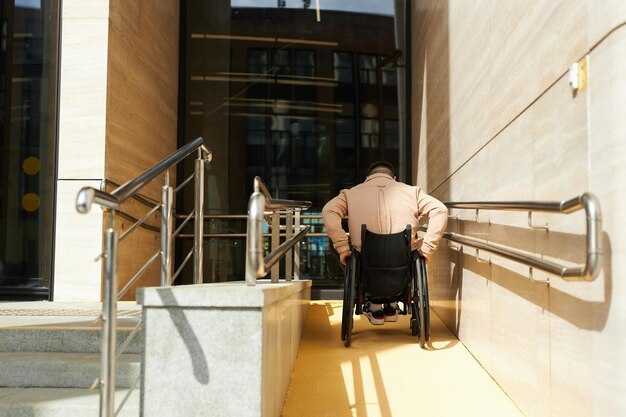
Choose a room that clearly lists accessibility features and confirm door width, bed height, ናሁ። bathroom layout before arrival. This information helps you compare options quickly and ensures ተገዢነት with your needs.
What makes a room usable day to day hinges on flooring, switches, ናሁ። indicators. Prefer non-slip flooring, level thresholds, and wide door clearances. Ensure light switches sit at a reachable height, and that alarms use both audible and visual indicators. A thoughtful layout helps you enjoy your stay and makes routines smoother for them.
Aids and information play a central role. In-room aids such as grab bars, a seating option in the shower, adjustable showerheads, and magnifying mirrors support independence. Request information on the availability of hearing loops, accessible outlets, and other accommodations. If you need them, ask at check-in so staff can arrange delivery or substitutes.
Charging and connectivity matter. Look for charging ports near the bed and at the desk, with visible indicators showing which outlets are active. Most rooms offer USB ports on both sides of the bed and at the desk, enabling a reliable charge for devices. A thoughtful setup reduces cable clutter and makes mornings easier.
Transportation, access to information, and clear communication shape everyday use. Look for information on accessible transportation options from the property, plus well lit hallways and indicators for elevator status. When you need help, እየደወለ staff is quick, and response times are posted or easy to verify. The hotel should provide information about accessibility during your stay and confirm what services are available.
Practical Booking Guide for Accessible Hotel Rooms
Begin by calling the hotel to confirm the room type and features: a roll-in shower or accessible bathroom, a lowered sink with knee clearance, grab bars, and outlets at reachable heights. Dont rely on generic listings; request a unit with non-slip mats, a bed at a height that makes transfers easy, and a table with space at the bottom for a wheelchair. Mention any aids you use, and confirm that the path from door to bed and to the bathroom is well lit, with controls near the bed that enable safety, thats why you should request written confirmation of the features here.
Look at photos of the actual room; here you can see the shower layout, grab bars, and the space along the path. Request current photos of the bathroom layout, shower setup, grab bars, light levels, and the corridor. Those photos help you assess whether the layout fits your travel routine. Dont forget to request photos taken at different times of day to judge brightness of lights.
Most travelers underestimate how much space you need to maneuver. That means the layout should mean fewer moves and less back-and-forth during routines. ይዩ for turning space and check the table height, the clearance around the bed, and the location of outlets. Dont forget to check the bottom of the sink and the shower area for knee and leg room, and ask whether mats stay in place when wet.
For city stays, pick a property with wide doorways, elevator access to your floor, and a clear path from room to essential areas. Be mindful when pulling luggage; ask for a threshold that does not require you to pull onto a lip, and check that lighting along the path is consistent. Ask about safety features that matter to you, like audible alarms or visual alerts if you rely on lights to know when doors open.
Tips to compare options quickly: build a short list of amenity needs and rate each unit on those items. Track common features such as outlets, ብርሃናት, mats, and the presence of an accessible table. Use photos to verify details, and note how each room handles safety around transfers. The ልዩነት between a great option and a poor one shows up in specifics you verify before arrival, especially for travel.
Tip 1: Confirm Room Accessibility Features Before You Book
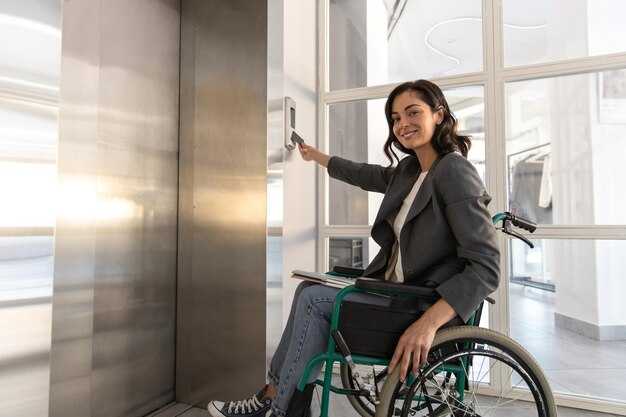
Call the hotel desk when you travel and follow this checklist to confirm room accessibility features before you book. Having written notes helps you compare options and navigate differences across properties learned from other travelers. If something seems off, calling again can save time then proceed with a different option. This quick step empowers you to choose a room that fits your needs, inside and out.
-
Door width and entry path
Ask for a door with at least 32 inches (81 cm) of clear width. Confirm a clear path from the door to the bed and bathroom, and minimize thresholds so you can transfer without difficulty. Most hotels can accommodate this layout if you request it in advance.
-
Turning space in room and bathroom
Ensure a large turning space, at least 60 by 60 inches (1.5 by 1.5 m), in the room or near the bed. In the bathroom, verify a similar turning area to navigate around fixtures and access the shower or tub.
-
Bathroom access and transfer options
Request a roll‑in shower or barrier‑free tub, grab bars near the shower and toilet, and a shower seat if needed. Confirm counter and sink heights and a clear area for a transfer from chair to surface.
-
Bed and nearby furniture
Specify a bed height between roughly 20 and 23 inches and space around the bed for back-friendly transfers. Ask for tables and desks at accessible heights and easy-to-reach controls.
-
Controls, lighting, and visibility
Check that light switches, thermostat, and electrical outlets sit within reachable range from the bed. Confirm a bed-side light and a visual alarm or vibration option for fire or emergency alerts inside the room.
-
Safety and calling for help
Ensure the fire alarm has both audible and visual signals and a clearly located calling button to reach staff quickly. If you prefer, verify a vibration alert or another alternative for important notifications.
-
Closets, dressing area, and tables
Look for a dressing area with reachable storage and a large, accommodating closet. Check that tables and surfaces are at accessible height and not blocked by chairs or chains of furniture.
-
Hallways and proximity to services
If you travel through long hallways, ask for a room near an elevator or service desk to minimize navigation challenges and avoid difficult routes around corners.
-
Consistency across hotel chains
For stays at multiple hotels in a chain, ask to confirm that accessibility features are similar across properties and request written notes on your reservation.
-
Documentation and follow‑up
Request written confirmation of all listed features and, if allowed, photos of the room layout. Call the desk a day before arrival to confirm the features you need are still in place.
Tip 2: Verify Door Width, Turning Radius, and Clear Floor Space
Information you want starts with door width: aim for 32 inches (81 cm) of clear width when the door is open, with 34–36 inches (86–91 cm) preferable for wheelchairs or mobility aids. Check the threshold and hinge area for smooth passage. This makes navigation easier in everyday stays.
Then assess turning radius: plan for a 60-inch (152 cm) turning circle to complete a full turn without moving furniture. If space is tighter than this, seek a room with a better layout.
Clear floor space: ensure at least 30 inches by 48 inches (76 cm by 122 cm) of unobstructed space in front of the bed, desk, closet, and bathroom door. Keep these areas free of carpeting seams, cords, and large furniture that can block movement, making it difficult to reposition.
To resolve concerns, follow a simple check before arrival: verify measurements with the front desk, then request a room change if needed. Ask about features that affect access and layout. This information helps safety and to accommodate mobility aids during stays. It saves time and supports travellers planning transportation to events and daily activities.
Time saved, fewer surprises, and better everyday experiences hinge on these checks. Those who learned from prior stays can follow this approach to ensure their needs are met, then feel right at home right away.
Tip 3: Assess Bathroom Accessibility: Shower or Bath, Grab Bars, and Sink Height
Choose a wheelchair-accessible bathroom with a roll-in shower, zero-threshold entry, and grab bars mounted 33–36 inches from the floor. The shower floor must be non-slip, and a fold-down bench or built-in seat at 17–19 inches high makes transfers easier. Place grab bars horizontally along the shower wall and near the entry for stable maneuvering during transfers and routine washing. A door clearance of at least 32 inches (81 cm) enables smooth wheelchair passage.
Verify dimensions before booking by checking the website for room specs; call the hotel if needed to confirm exact measurements. Ensure a 60-inch (152 cm) turning space inside the bathroom to maneuver a wheelchair, planning clear paths between the shower, toilet, and sink.
These checks help users navigate rooms quickly during travel.
Sink design supports independence: target about 29 inches (74 cm) height with at least 27 inches (68 cm) of knee clearance and a clear space underneath for feet and legs. Faucet controls should operate with a single hand and be located within easy reach from a seated position.
Flooring and transitions matter: choose level, non-slip flooring with minimal thresholds to prevent trips during travel between zones. Check the hotel website or ask staff for specific room photos and measurements.
| Feature | Recommended specs |
|---|---|
| ቦታ መተላለፊያ ስፋት | At least 32 inches (81 cm) clear |
| Turning space | 60 inches (152 cm) diameter |
| Shower type | Roll-in, zero-threshold |
| Shower bench height | 17–19 inches (43–48 cm) |
| Grab bars | 33–36 inches (84–91 cm) from floor; wall runs; minimum 36 inches in length |
| Sink height | About 29 inches (74 cm) high |
| Knee clearance under sink | 27 inches (68 cm) minimum |
| Under-sink space | 27 inches wide, 27 inches high clearance |
| Flooring | Non-slip, level; avoid area rugs |
| Thresholds | Shower entry: 0 inches; transitions minimal |
Tip 4: Check Route Accessibility: Elevators, Corridors, and Thresholds
Check route accessibility before arrival: confirm that elevators are available, corridors are clear, and thresholds are lowered with beveled edges to allow a comfortable roll-in.
- ሊፍተር
- Car size and clear width: ensure at least 32 inches (813 mm) of clear width; prefer 36 inches (91 cm) or more to accommodate a wheelchair and roll-in luggage.
- Controls and alarms: set call buttons within 15–48 inches (38–122 cm) from the floor; verify the alarm is audible and visible, and that alarms exist in both the car and the hallway for guests with hearing or visual needs. If an elevator is out of service, ask for an alternative route that can accommodate your group.
- Information, photos, and enablement: request photos of the route around the elevator and corridors, and ask staff to enable a quick route verification for you and your guests. If you want, they can provide a short tour or written information for future reference.
- Corridors
- Width and turning space: aim for corridors at least 36 inches (91 cm) wide; a 60-inch (152 cm) turning circle makes it comfortable for a wheelchair to pass around beds and furniture nearby.
- Surface and lighting: choose flat, non-slip surfaces; ensure transitions between surfaces are flush; ensure lighting supports visibility during movement around the corridor for feet and eyes.
- Route to rooms and signs: provide a clear path from elevators to doors; keep dressing area and wardrobes accessible; ensure information on accessibility is visible to guests and can be used by families with children who want to move around the route.
- Thresholds
- Threshold height and bevel: keep thresholds at 1/2 inch (13 mm) or less with a beveled edge; a 1:2 slope or better is ideal to prevent a stumble and to allow a roll-in entry.
- Door width and entry: ensure doorways have at least 32 inches (81 cm) of clear width; if a threshold is unavoidable, provide a ramped option or flush transition so guests using a wheelchair can pass around the edge and enter comfortably.
Dont hesitate to request photos ahead of time and use them to compare options. If a route doesnt meet needs, ask for accommodations or an alternate path that will accommodate guests with limited mobility, children, and caregivers. The hotel will offer alternatives and can enable transportation to rooms when needed, helping everyone feel comfortable around the route and inside the space. If you want to maximize clarity, ask for information in writing so you can share it with companions and plan the visit quickly.
Tip 5: Ensure In-Room Comfort: Bed Height, Outlets, and Control Reach
Set bed height between 20 and 23 inches (50–58 cm) from the floor to simplify transfers for travelers using wheelchairs, walkers, or canes. This height keeps feet flat while seated and lowers the risk of slips when getting in or out of bed. This setting also helps each person making transfers and makes it easier for the traveler to enjoy a safe, comfortable stay.
Outlets and charging: Position outlets within 12–18 inches (30–46 cm) of the bed edge and behind the desk to minimize reach. Provide enough USB ports, with at least one at headboard level so guests can enjoy charging devices without leaving the bed. Include a card reader nearby for access to hotel services and to support staff in processing stays efficiently.
Control reach: Place light switches, thermostat, and window shades within a reachable zone of roughly 15–48 inches (38–122 cm) above the floor so a guest can operate them from a seated position or while inside bed. If possible, mount a wireless remote at the headboard for effortless control without shifting position.
Information and photos: In the room information card, show the bed height, outlet locations, and control reach with simple photos. The источник provides official specifications from the property file, making it easy for travelers to verify amenities before arrivals or during stays. This clarity helps guests enjoy a smoother experience.
Space and entry: Maintain enough clear space around the bed and desk to allow inside movement for people with mobility aids. For difficult transfers, offer an adjustable base or riser as an option. Dont underestimate the impact of clear, reachable design on guest satisfaction. Follow local accessibility guidelines to maintain consistency across stays. Ensure entry to the room and bathroom remains unobstructed and keep spaces free of clutter. If height adjustments aren’t possible, note it in the amenity card for guests and consider a lightweight portable solution. These tips support hospitality standards and reduce risk for travelers who need careful planning when staying in a guestroom.
Tip 6: Inquire About Service Options, Assistive Devices, and Booking Notes
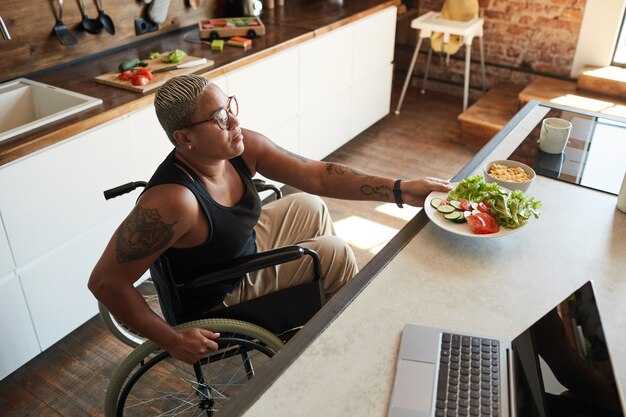
Start by confirming, on the website or via a quick call, that a wheelchair-accessible room will be available for your dates on a floor with easy elevator access and a clear path to the bathroom. Verify features such as wide doorways, a roll-in shower, grab bars, and a lowered sink. Examine photos and captions for room layout, furniture clearance, and lighting controls; look for measurable dimensions and notes about space around tables to ensure you can move comfortably.
Ask for service options that support your arrival and stay: arrival assistance at the front desk, help with luggage, accessible dining arrangements, and staff who can guide you through the lobby and corridors. Inquire about accommodations for disabilities, such as seating, hearing- or visually-enabled alerts, and staff readiness to help you navigate the building. Check that lighting levels in the room and public areas can be adjusted to reduce glare and create a comfortable look and feel.
Ask about assistive devices the hotel can provide and whether you may bring your own. Request items such as a shower chair, transfer bench, grab bars, and any hearing- or visually-friendly equipment. If you see ‘alds’ noted in the accessibility notes, ask what it covers and how it applies to your room. Confirm whether a captioned TV or amplified telephone is available and if power outlets near the bed suit your devices.
Use booking notes to share your traveler profile and needs. Specify bed type, room proximity to the elevator, and preferences for lighting (for example, lower light levels). Include any late check-in requirements, dietary seating needs, and a request to receive invoices in digital format. For frequent stays, ask for the same room features on future bookings to simplify planning and ensure consistency across visits.