


 አማርኛ
አማርኛ  English (UK)
  Русский
  বাংলা
বাংলা  العربية
  日本語
日本語  한국어
한국어  Magyar
  Norsk nynorsk
  Türkçe
  עִבְרִית
  Español
  Čeština
  Svenska
  Português
  Ελληνικά
  Suomi
Suomi  Nederlands
  Română
  Italiano
  Français
  Polski
  Українська
  Deutsch
  简体中文
简体中文  Slovenčina
  Српски језик
  اردو
اردو  Azərbaycan dili
  O‘zbekcha
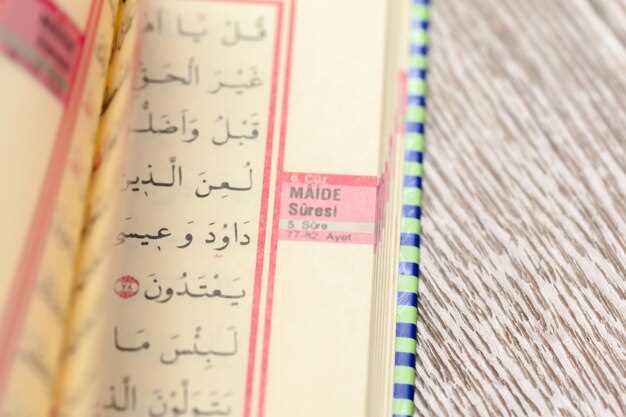
In a world that is increasingly interconnected, the ability to communicate in different languages is not just a luxury–it is a necessity. For those who have the desire to engage with the rich culture of Europe and the Arab world, mastering Arabic can be both rewarding and challenging. This essential Arabic phrasebook aims to assist you in navigating your language journey, enabling you to express your needs and desires confidently. Whether you find yourself dining at a restaurant with a male waiter in Egypt or trying to catch a ታክሲ in a bustling city, having the right phrases at your fingertips can make all the difference.
Contained within this guide are key expressions that address various scenarios, from ordering a bottle of water ወይም soda to reading texts in Arabic. More importantly, you’ll encounter idioms and expressions that are often the result of cultural nuances, such as the meanings behind breakfast እንዲሁም supper in different settings. The inclusion of classic phrases will prepare you for many situations, even those that may seem incomprehensible at first glance.
For anyone setting off on an adventure across the planet, learning how to say “I need” or “I have” can be your first step to effective communication. In addition to this, the phrasebook will tackle plurals እንዲሁም prepositions, key elements that augment your ability to convey information accurately. For instance, knowing how to use expressions such as “عندي” (I have) or “محتاج” (I need) will be invaluable in various contexts, from a simple conversation about bread to more complex discussions regarding emergencies like “طوارئ.”
This guide will also delve into the beauty of Arabic as a language, covering ክላሲካል expressions that have persisted through time. You will learn how to ask the time (“الساعة”) or inquire about important cultural practices while feeling at ease. With structured sections devoted to everyday interactions and specialized vocabulary, you will find this version of the phrasebook covers your language needs comprehensively. As you explore the vibrant cultures connected to the Arabic language, remember to practice behave properly in various settings, allowing you to navigate both social and formal occasions with grace.
Understanding the Importance of a Phrasebook
When diving into the intricacies of Arabic, understanding the importance of a phrasebook becomes evident. A phrasebook serves not only as a portable tool but also as a bridge for connecting with the local culture. With specific topics, such as greetings and daily interactions, it allows learners to vocalise their needs clearly, eliminating the common fears associated with language learning. For instance, knowing how to order breakfast or ask for directions over the telephone can significantly enhance one’s confidence in a new setting.
Phrasebooks, especially those printed with a focus on usability, include essential vocabulary and phrases categorized in a user-friendly format. This accessibility means that learners can quickly find the words they need without feeling overwhelmed. Board any Gulf region train, and you might find that a well-curated list of phrases can make your experience seamless. When a traveler stumbles upon a new locality or a hidden gem, such as the delightful amaken of Europe, it’s the phrasebook that allows them to navigate with ease.
Moreover, learning Arabic through a phrasebook aids in reinforcing spelling and pronunciation. Often, new learners encounter difficulty in combining different languages. The challenge becomes less daunting when individuals use markers or cards featuring frequently used phrases. By repeating these phrases, they build a solid foundation and, over weeks, begin to internalize the sound patterns of the language, leading to improved conversational speed.
Importantly, a phrasebook can offer learners the opportunity to interact with locals in a meaningful way. Whether you’re in the East or any other regional setting, being able to ask questions or engage in basic conversation can diminish the feeling of decline often felt by non-native speakers. They become part of the exchange rather than outsiders, which is vital in establishing rapport. Youth who embrace this idea often note how quickly they bond with peers, fostering friendships over shared interests and conversations.
Ultimately, every learner’s journey is unique, but the presence of a phrasebook acts as a guiding light. It transforms fear into curiosity, providing users with the tools they need to express themselves confidently in Arabic. From ordering petrol to discussing classical literature, the phrasebook remains invaluable in many states of learning. By keeping such a resource handy, you ensure that every interaction, big or small, can lead to a deeper understanding of the language and its culture.
Why Choose a Phrasebook Over Other Learning Materials?
When it comes to learning Arabic, a phrasebook offers unique advantages compared to other resources. For starters, phrasebooks are specifically designed for travelers and beginners, focusing on essential vocabulary and commonly used expressions. These materials provide practical coverage of everyday scenarios, from ordering delicious food in a Lebanese restaurant to asking for directions while sightseeing. Instead of diving into complex grammatical structures or phonemes, phrasebooks present language in a manner that is both accessible and immediately applicable, which is ideal for those who may only have a few weeks to prepare for a trip.
Moreover, phrasebooks can save money when compared to other expensive learning materials. Instead of investing hundreds of dollars in classes or internet subscriptions, a compact phrasebook can yield significant benefits at a fraction of the cost. Many options are available, offering various formats and supporting learners across different contexts, whether it’s a day trip to El-Said or a longer stay in a border region. They also cover a wide array of terms, making them essential for effective communication, so you can confidently navigate through any language barriers and clarify meanings without encountering incomprehensible texts.
Combining the benefits of a phrasebook with basic knowledge of Arabic writing can empower learners to communicate more effectively. For instance, understanding simple prefixes and suffixes allows a youth learning Arabic to grasp identically related words, enriching their vocabulary further. As you progress, you might find yourself not just memorizing phrases like “فنجان عصير” (finjan juice) but also experimenting with literary constructions. Ultimately, whether it’s ordering a glass of wine or discussing allergies, having a phrasebook in hand provides vital support, ensuring that you feel prepared and confident in any conversation, making it a superior choice for language learning.
Key Benefits of Having an Arabic Phrasebook

Having an Arabic phrasebook provides immediate access to essential language tools that can enhance your travel and business interactions in Arabic-speaking regions. This resource serves as a quick reference, allowing you to find the right phrases with just a glance. Whether you’re ordering a delicious meal or asking for directions, the clarity and simplicity offered by a phrasebook can significantly improve your communication experience.
For tourists interested in sightseeing, an Arabic phrasebook is a practical companion. It helps in navigating through various paradigms of the culture, enabling travelers to connect with locals on a deeper level. When you ask questions or engage in conversations using a few phrases, you often receive warmer responses, making the experience more enriching and memorable.
Moreover, learning a few key phrases such as “سلام” (salaam) can lead to more meaningful interactions. A phrasebook teaches you not just the words but their correct vocalisation and contextual usage. This understanding ensures that your attempts at speaking Arabic are appreciated, even if your grammar isn’t perfect. It’s important to note that while a phrasebook does not cover every subject, it provides a solid foundation to build on as you progress in the language.
In addition, a well-maintained phrasebook serves more than just learning purposes. It can be a conversation starter in social clubs or gatherings, providing you with an edge to engage in discussions. Whether it’s about wine, health, or local cuisine, having key phrases at your disposal makes you feel more confident in these settings. You’ll find that even a single phrase can break the ice and create connections.
Utilizing a phrasebook also means you are choosing a cleaner, more efficient method of learning that avoids the overload of digital devices. Instead of constantly scrolling through apps on your telephone, having a physical phrasebook allows for quicker reference and less distraction, especially useful in busy environments like bars or marketplaces.
For those living or working in the West, where Arabic is increasingly relevant, keeping a phrasebook on hand is essential. It doubles as a resource for professional communication and a means to enjoy cultural activities. Having phrases ready enhances your ability to provide necessary services, whether in personal interactions or within a business context.
Ultimately, keeping your Arabic phrasebook updated and fresh is key. Many phrasebooks offer new terms in subsequent editions, which means you can adapt and expand your communication skills over the years. With consistent practice and engagement, anyone interested can plunge into the language, making it more usable in daily life. So, take the leap, grab a phrasebook, and start embracing the beauty of the Arabic language today!
How a Phrasebook Can Enhance Your Travel Experience

When traveling in Arabic-speaking regions, having a phrasebook can significantly enhance your experience. It serves as a bridge between cultures, allowing you to communicate essential terms, from ordering a cup of coffee (finjan) to asking about allergies to local dishes. With phrases related to daily interactions, such as apologies (“sorry”) and polite requests, you can engage more deeply with locals, making your travel more rewarding. Using a phrasebook helps you understand the structure and phonemes of Arabic, enabling you to pronounce words accurately and interact confidently, even in formal settings.
Moreover, a well-structured phrasebook often includes common travel scenarios, making it easy to navigate hotels (fonduk), transportation, and even emergency situations involving the police. For example, when looking for directions, knowing terms like “wa-ashrūn” (twenty) can be invaluable. Furthermore, understanding cultural nuances behind phrases can foster genuine connections, as many locals appreciate your effort in learning their language. Thus, coupling your adventures with a phrasebook not only enriches your knowledge but also creates memories, as you dive into the romance of the language and its regional dialects.
ክፍለ ኣገላልጻ ኣገላልጻ ቃላት ክትፈልጦም ዘለካ
ለመማር አረብኛ, አስፈላጊ ነው ለመረዳት ምድቦች ሀረጎች ይህም ያደርጋል ግንኙነትዎ ውጤታማ. ከእነዚህም መካከል, መሰረታዊ ሰላምታዎች እና መግቢያዎች ይፍጠሩ የተወሰነ መሠረት. ለምሳሌ, እላለሁ “السَلامُ عَلَيْكُمْ” (አሰላሙ ዓለይኩም) ብቻ አይደለም ማስተላለፍ ጨዋ ሰላምታ ግን ደግሞ ያዳብራል ስሜት ግንኙነት. ይህ የመጀመሪያ ግንኙነት ይችላል እርዳታ ቀላል ውይይቱ እና ፍቀድልዎ መድረስ የበለጠ ውይይት በልበ ሙሉነት.
ቁልፍ የግዢ ሀረጎች በተለይም ገበያዎችን ወይም ምግብ ቤቶችን ሲጎበኙ አስፈላጊ ናቸው። የዋጋዎችን መጠየቅ ወይም “ዋጋው ስንት ነው?” (Kam as-saar?) እንዴት ማለት እንደሚችሉ ማወቅ ተሞክሮዎን በእጅጉ ያሻሽላል። ብዙ ሀረጎች በአጠቃላይ ቀጥተኛ ናቸው፣ ለመግዛት የሚፈልጉትን ዕቃዎች ለመግለጽ ዋና ቁጥሮችን እና መሠረታዊ መግለጫዎችን ያካትታሉ። እነዚህን ቃላት መለማመድ ለስላሳ ግብይቶችን እና ግልጽ ግንኙነትን ያረጋግጣል።.
ኣብ ሕክምናዊ ኩነታት፡ ከም ኣለርጂ ምግላጽ ወይ ሕማም ምስትምዓል ዝኣመሰሉ ጥዕናዊ ኣረኣእያ ዝገልጹ ሓረግታት ኣዝዮም ኣገደስቲ እዮም። ከም “طبيبات” (ዶክተራት) ከምኡ’ውን “مريض” (ሕሙም) ዝኣመሰሉ ቃላት ኣብ መዝገበ ቃላትኩም ኪህልዉ ይግባእ። ነፍሲ ወከፍ ሕታም መምርሒ ሓረግታት፡ ኣብ ጥዕና ዘተኰረ ኽፋል ዘለዎ ኽኸውን ይኽእል እዩ፣ እዚ ኸኣ ብፍላይ ንተጓዓዝቲ ኣዝዩ ኣገዳሲ እዩ። ኣብ ጸጽንትኹም ኣድላዪ ሓገዝ ንኽትረኽቡ ዘቐልል ሓሳባት ክትረኽቡ ትኽእሉ ኢኹም።.
ንናይ ማሕበራዊ ርክባት፡ ከም ኣብ ደገ ምብላዕ ወይ ብዛዕባ ዕለታዊ ንጥፈታትካ ምዝርራብ ንዝኣመሰሉ፡ ዛዕባ ንምኽፋት ዘኽእሉ ሓረግታት ኣዝዮም ኣገደስቲ እዮም። ከመይ ጌርካ “ኣነ ቁርስ ክበልዕ እደሊ” ወይ “ኣበይ ኣሎዉ መግብታት፧” ከምዝበሃል ምፍላጥ ኣብ ዝተፈላለዩ ኩነታት ይሕግዝ። እዚ ነቶም ቛንቋኡ ዘይኮነ ተዛረብቲ፡ ኣብቲ ልሙድ ዝኾነ ግን ከኣ ንባህላዊ ምውህሃድ ኣዝዩ ኣገዳሲ ዝኾነ ዘተታት ንኽሳተፉ የኽእሎም።.
إضافة إلى ذلك، تتم تغطية الإجراءات والتوجيهات بعبارات مثل “افهمني” أو “أريد أن أكتب”. وداخل هذه الفئات، تساعد الأشكال اللفظية (فعلتت) والمسندات في نقل الإلحاح والنية. غالبًا ما تؤدي العبارات البسيطة إلى تواصل أكثر فاعلية، خاصةً عندما تحاول التنقل في بيئة جديدة.
በመጨረሻም በሐረግ መጽሐፍዎ ውስጥ ንባብ እና ጽሑፍ ክፍሎች መገልገያነትን ችላ እንዳትሉ። ምልክቶችን፣ ምናሌዎችን ወይም መደበኛ ሠነዶችን መለየት መቻል በጣም ጠቃሚ ሊሆን ይችላል። በተለይም በአረብኛ ተናጋሪ አገር ውስጥ መሠረታዊ ዓረፍተ ነገሮችን እንዴት መፍጠር እንደሚችሉ ማወቅ በቃል ከሚነገሩ ቃላት ባሻገር በሁኔታዎች ውስጥ ሊረዳዎ ይችላል። ይህ እውቀት ተግባራዊ ብቻ ሳይሆን እርስዎ የቋንቋውን ጥልቅ የባህል ልዩነቶችን እያገኙ ተሞክሮዎን ሙሉ በሙሉ እንዲደሰቱ የሚያስችልዎትንም ያበለጽጋል።.