


 አማርኛ
አማርኛ  English (UK)
  Русский
  বাংলা
বাংলা  العربية
  日本語
日本語  한국어
한국어  Magyar
  Norsk nynorsk
  Türkçe
  עִבְרִית
  Español
  Čeština
  Svenska
  Português
  Ελληνικά
  Suomi
Suomi  Nederlands
  Română
  Italiano
  Français
  Polski
  Українська
  Deutsch
  简体中文
简体中文  Slovenčina
  Српски језик
  اردو
اردو  Azərbaycan dili
  O‘zbekcha
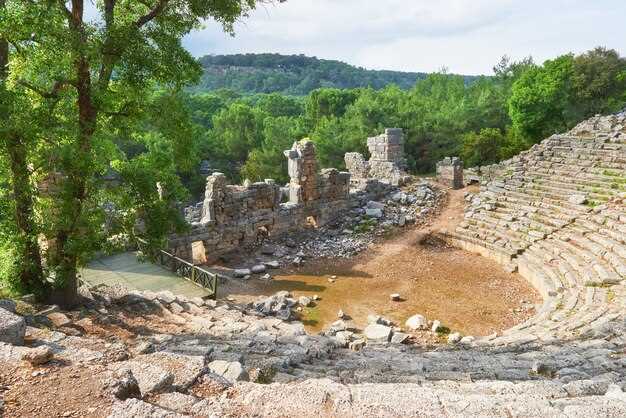
The ancient Roman city of Pompeii, a complex web of streets, public buildings, and private homes, continues to captivate explorers and historians alike. Buried under volcanic ash from the catastrophic eruption of Mount Vesuvius in 79 AD, Pompeii offers a unique glimpse into the daily life of its inhabitants. Visitors can wander through its well-preserved environments, witnessing the remnants of grand theaters, bustling markets, and elegant villas adorned with stunning fresken. Each step taken in this extraordinary site reveals layers of history and the stories of those who once called it home.
As you venture further into the site, you might find yourself drawn to the impressive structures like the majestic theater and the apoditerium, where ancient Romans indulged in leisure and social activities. The preserved walls are adorned with vivid фресок, telling tales of gods like Apollo and everyday life in a bustling city. The presence of common amenities, such as лупанарий and пинария, offers insights into the social dynamics of the community during its prime. Exploring these remarkable spaces allows us to explore the complex interplay between culture, commerce, and leisure in a city that thrived in a bygone era.
However, the exploration of Pompeii is not without its challenges. The ongoing preservation issues highlight the need for responsible tourism as millions flock to this archaeological wonder each year. With preferred ticketing options and guided tours that cater to various interests, ensuring a suitable experience for all visitors is crucial. As we delve deeper into the secrets of Pompeii, we invite you to navigate the ancient streets, stand in awe of the artistic brilliance of its frescoes, and consider the profound impact of time on this once-flourishing metropolis. Join us as we uncover stories lost to time, sharing the breathtaking discoveries of a city that still speaks to us centuries later.
Villas Beyond the Herculaneum Gate
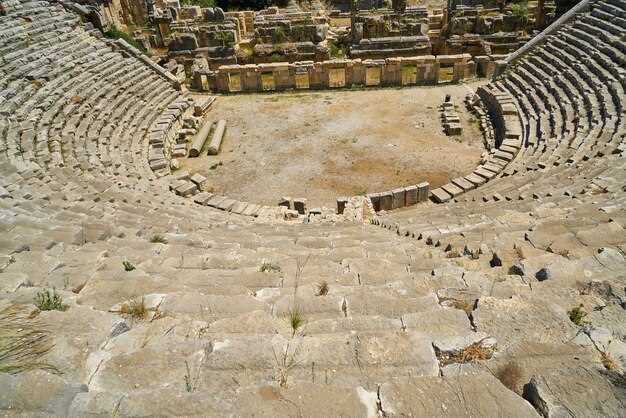
The villas located beyond the Herculaneum Gate are some of the most fascinating remnants of ancient Roman architecture. Visitors can explore these estates, which feature a peristyle adorned with fountains and connected to smaller buildings that served various functions. The intricate designs, which included beautiful mosaics and well-planned gardens, reflect the wealth and status of their former inhabitants. Many villas also contained a caldarium, a heated bathing room, where social gatherings took place, promoting communal experiences among the youth of the time. Through ongoing excavations (Ausgrabungen), we have unearthed evidence of the daily life and rituals associated with these ancient structures, providing a glimpse into their past. These archaeological sites have really brought to life the beauty and complexity of Roman design, allowing us to better understand their cultural importance.
In recent years, technology has enhanced our understanding of these villas, with virtual exhibitions offering visitors the chance to experience them from different perspectives. This digital engagement not only highlights the architectural wonders but also allows a wider audience to avoid the limitations of language and geography when exploring Pompeii’s (Pompeiis) significant sites. The representation of the villas through articles and interactive installations has made it possible for enthusiasts to engage deeply with the historical context, enhancing their visit. As you walk along the remains of these grand structures, you can’t help but feel a connection to those who once enjoyed the luxury of the beautiful settings, encapsulated in their intricate columns and expansive water features, illustrating a life led in comfort and sophistication.
Historical Significance of the Villas
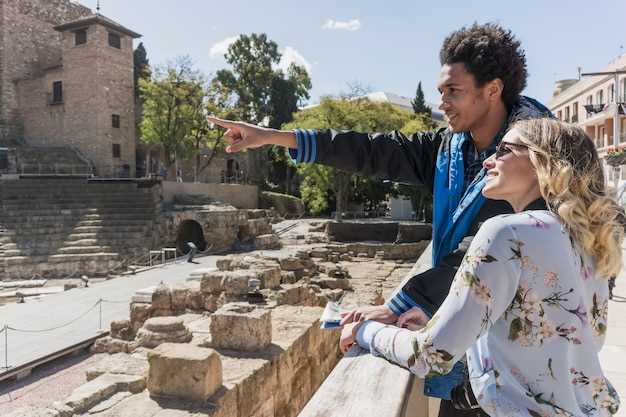
The villas of Pompeii, particularly those constructed during the Roman Empire, represent a unique architectural opus that not only reflects the aesthetic values of the time but also serves as vital clues into the daily lives and preferences of its inhabitants. These luxurious residences were often designed with great attention to detail, featuring intricate frescoes and elaborate mosaics on the walls that showcased both artistic talent and the wealth of their owners.
Within these villas, spaces like the frigidarium, or cooling room, reveal the importance of leisure and comfort in Roman society. Here, the wealthy would gather to relax, emphasizing the relaxed lifestyle they led compared to the more laborious tasks faced by the average citizen in the city. The presence of these specialized areas suggests that the villas were not just places of residence but centers for social gatherings and entertainment.
What makes the villas of Pompeii particularly significant is the way they were preserved by the layers of volcanic ash from the eruption of Mount Vesuvius in 79 AD. For years, archaeologists have unearthed artifacts such as kitchen tools, frescoes, and even remnants of animals, offering insight into the domestic life and economic activities that took place. This preservation provides a sensory experience of the ancient world, making it easier to imagine the lives led within these walls.
Moreover, the spatial organization of the villas indicates a clear distinction between public and private areas, which exemplifies the social hierarchy of the time. The smaller, private suites are often less elaborately decorated, while the grand halls and atriums were designed to impress visitors and symbolize the status of the homeowner. Such designs were preferred by affluent families to display their wealth and influence in the community.
The villas also serve as a lens through which we can examine the cultural and trade dynamics of ancient Pompeiis. Many of the materials found in these villas, like fine ceramics and exotic goods, suggest trade connections with distant territories, revealing that these homes were not isolated from the larger economic systems at play. This interconnectedness adds another layer to understanding the complexities of life in ancient cities.
Furthermore, graffiti found on the walls of many villas offers a fascinating glimpse into the social issues of the time. These inscriptions sometimes playfully comment on daily occurrences or even mark grievances against public figures, illustrating how the citizens of Pompeii expressed themselves, often against the backdrop of their bustling municipal life, like the nearby macellum where trade flourished.
In conclusion, the historical significance of the villas in Pompeii lies in their multifaceted contribution to our understanding of Roman life. They encapsulate not only the architectural ingenuity of the time but also the societal structures, economic transactions, and cultural expressions prevalent within the city. As excavations continue, these luxurious complexes will likely reveal even more about the daily experiences of their inhabitants, allowing us to grasp the complexities and richness of life in Pompeii.
Architectural Features Unique to Pompeian Villas
Pompeian villas are renowned for their unique architectural features that set them apart from other ancient structures. One notable aspect is the integration of frescoes into the walls, depicting scenes of daily life, mythology, and the natural world. These murals not only enhanced the aesthetic appeal of the rooms but also provided a glimpse into the cultural values and beliefs of the inhabitants. The villas often included outdoor spaces, such as gardens and pools, which were designed for relaxation and social gatherings. Some villas, like the Villa of the Mysteries, contained large rooms specifically for the cult rituals and ceremonies, revealing the spiritual life of Pompeii’s residents.
Moreover, the layout of Pompeian villas showcased the Romans’ exceptional engineering skills. The use of atriums, peristyles, and open-air courtyards allowed natural light to flood the interiors and created a seamless flow between indoor and outdoor spaces. These houses were meticulously decorated with intricate mosaics and provided unique experiences for both guests and family members. This architectural innovation illustrates the Romans’ understanding of elements such as ventilation and water management, often leading to the inclusion of baths and sophisticated service areas. Exploring the ruins, groups of visitors on the metro and in various avatars experience the charm of these ancient homes, while some artifacts, like statues of animals and representations of gods, have been found in situ, enhancing our understanding of this extraordinary culture.