


 አማርኛ
አማርኛ  English (UK)
  Русский
  বাংলা
বাংলা  العربية
  日本語
日本語  한국어
한국어  Magyar
  Norsk nynorsk
  Türkçe
  עִבְרִית
  Español
  Čeština
  Svenska
  Português
  Ελληνικά
  Suomi
Suomi  Nederlands
  Română
  Italiano
  Français
  Polski
  Українська
  Deutsch
  简体中文
简体中文  Slovenčina
  Српски језик
  اردو
اردو  Azərbaycan dili
  O‘zbekcha
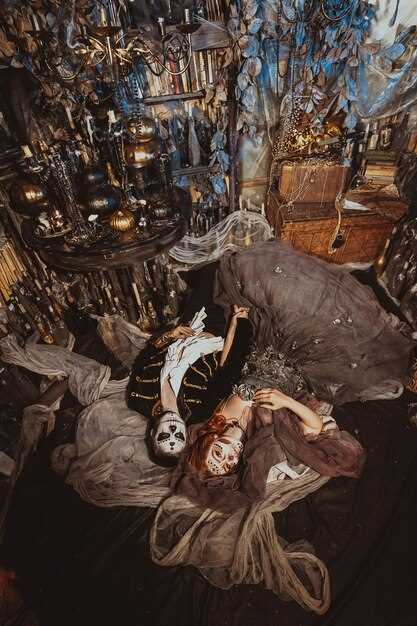
The origins of Halloween can be traced back over a century, deeply rooted in ancient traditions and rituals. This holiday, which has evolved significantly, still retains echoes of its Celtic beginnings. The early Celts, who celebrated Samhain, believed that the boundary between the living and the dead became blurred on the night of October 31. They would prepare food and drinks for their ancestors, hoping to appease the spirits that roamed the earth during this time. Today, this belief has transformed into one of the most popular celebrations in the United States, but the emphasis on spirits and the supernatural remains a spooky thread throughout the holiday.
As Halloween transitioned from its pagan origins to a more modern holiday, various cultures and customs merged. The addition of Christian elements, marked by the feast day of All Saints, created a unique blend of traditions. In America, Halloween took on new life during the late 19th and early 20th centuries, with towns like Anoka, Minnesota, pioneering the concept of community celebrations. Families began to embrace activities like hayrides and ghost stories, while children looked forward to their favorite treat–candy. The celebration of Halloween has morphed into a vibrant showcase filled with bizarre costumes, haunted houses, and even spooky movies, appealing to both young and old.
Today, people gather to celebrate Halloween with activities that range from trick-or-treating to attending costume parties. Cats and other creatures of the night symbolize the eerie atmosphere that many associate with this holiday. While some might view it as just a fringe event on the calendar, for many, it represents a time to explore the thrilling intersections between history, mythology, and community. As you read this article, prepare to delve into the rich tapestry of Halloween’s past and discover how its captivating journey continues to unfold, connecting generations with tales of the past and the peculiarities of the present.
Ancient Origins of Halloween
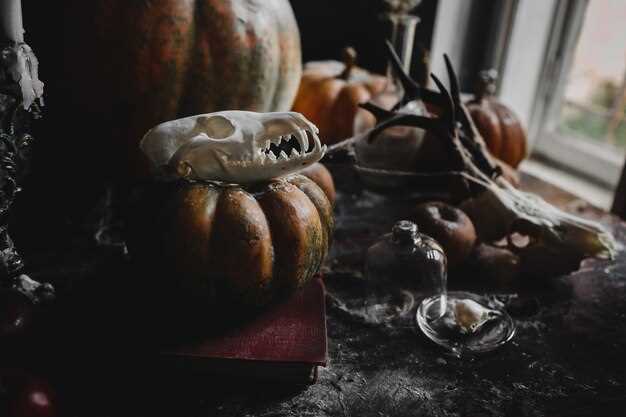
The origins of Halloween can be traced back to the ancient Celtic festival of Samhain, marking the end of the harvest season and the beginning of winter. This transition, occurring around the end of October, was believed by the Celts to be a time when the boundary between the living and the dead became blurred. During this period, it was thought that the spirits of their ancestors would return to their homes, and people would light bonfires and wear costumes to ward off these ghosts. This was the essence of early traditions, where rituals were performed to honor their ancestors and protect the living from any malevolent spirits.
As centuries passed, these pagan customs began to intertwine with Christian beliefs, particularly with the establishment of All Hallows’ Eve, the night before All Saints’ Day. The name “Halloween” itself is derived from this celebration. According to archaeological findings, and the writings of figures such as Washington Irving, many customs we see today, like trick-or-treating or the enjoyment of spooky movies, have their roots in these ancient practices. In America, Halloween evolved from its dark, ancestral past into a festive holiday filled with hayrides, candy, and haunted houses, becoming a favorite celebration for people of all ages who embrace the fun aspect of the once-scary traditions.
What Was Samhain and Its Cultural Significance?
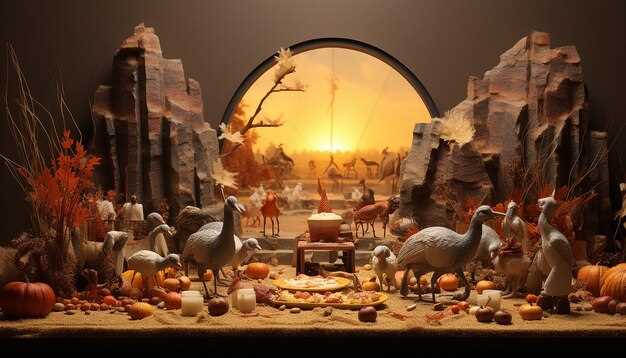
Samhain, originating from ancient Celtic traditions, marked the end of the harvest season and the onset of winter. Celebrated primarily by the Celts in what is now modern-day Ireland and Scotland, this festival took place from October 31 to November 1. During Samhain, the barriers between the living and the dead were believed to thin, allowing spirits to cross over. This cultural significance is still echoed today in Halloween celebrations, where tales of ghosts and spooky legends thrive, evoking both fear and fascination.
According to folklore, the Celts would light bonfires and wear costumes to ward off ghosts. It was a time for honoring ancestors and communicating with the deceased, a belief that has transformed over the centuries. The emphasis on honoring the dead during Samhain is mirrored in modern practices surrounding Halloween, where similar themes of ghostly encounters and frights are central. The transition from a pagan holiday to one inclusive of Christian elements, such as All Hallows’ Eve, illustrates the blending of traditions that shaped the holiday we know today.
In the 19th century, Samhain evolved as Irish immigrants brought their customs to America, influencing local culture and merging with existing celebrations. Communities began to embrace hayrides and gatherings, turning Samhain’s eerie essence into a festive occasion characterized by costumes and candy. Movies and pop culture have further popularized the holiday, showcasing its spooky side while introducing new themes and characters. Perhaps it’s this bizarre blend of old and new that has helped Halloween become a favorite holiday among children and adults alike.
| Cultural Elements | Traditional Practices | Modern Equivalent |
|---|---|---|
| Spirits and Ghosts | Lighting bonfires, wearing costumes | Trick-or-treating, haunted houses |
| Honoring Ancestors | Feasting, storytelling | Family gatherings, sharing scary stories |
| Barriers between Worlds | Divination, rituals | Scary movies, ghost tours |
Thus, the story of Samhain exemplifies a rich tapestry of beliefs, traditions, and cultural exchanges. From its ancient origins to its contemporary celebrations in the United States, this journey showcases the evolution of a holiday that continues to captivate people’s imaginations. Whether one engages with the spooky aspects or simply delights in the treats, Samhain’s legacy persists, reminding us of the ever-present dance between the living and the departed.
How Celtic Beliefs Shaped Early Halloween Practices
The origins of Halloween can be traced back to ancient Celtic traditions, particularly the festival of Samhain. This celebration marked the end of the harvest season and the onset of winter. For the Celts, it was a time believed to be when the veil between the living and the dead was thinnest. During this spooky night, they honored their ancestors, hoping to appease the spirits that roamed the earth.
One of the most fascinating aspects of Samhain was its emphasis on rituals. The Celts lit bonfires, which they considered a source of protection while also serving as a means to honor the gods. This practice led to the modern tradition of bonfire celebrations during Halloween. The connection to the past is evident as many contemporary customs draw inspiration from these early festivities.
According to historians, this ancient holiday was rich in symbolism and meaning. It served as a time for the community to come together and prepare for the harsh winter months. During this period, it was common for people to engage in various activities, such as storytelling and sharing treats. Some of these traditions, such as trick-or-treating, have been passed down and transformed throughout the centuries.
In the transition from pagan rituals to Christian celebrations, many Celtic customs were adapted. With the arrival of Christianity, the focus shifted to honoring saints, aligning with the timing of All Saints’ Day, which falls on November 1st. This transformation did not erase the old customs; instead, it infused them with new meaning, creating a unique blend of traditions that continued to evolve.
As the centuries progressed, especially in the 19th century, Irish immigrants brought Halloween traditions to America. In doing so, they introduced spooky themes and activities that would become normal staples of modern celebrations. Items like carved pumpkins, known as jack-o’-lanterns, and various games emerged as popular pastimes, reflecting a mix of old and new beliefs.
Today, Halloween in the United States showcases an array of activities that have their roots in Celtic practices. From hayrides to ghost stories, the essence of Samhain can still be felt. Modern celebrations often feature costumes that reflect both the bizarre and the playful, reminding us of our ancestors’ attempts to confront the unknown.
Popular culture, including movies and literature, has perpetuated these spooky themes. Authors like Washington Irving contributed to the lore, reinforcing the idea that Halloween is a time to embrace both the real and imagined fears. In this way, the holiday has morphed into a reflection of contemporary society’s fascination with the supernatural.
Ultimately, the Celtic beliefs that shaped early Halloween practices have left a lasting impact, blending rituals from ancient times with modern festivities. This evolution illustrates how traditions, while changing, can retain their core essence, making Halloween a holiday that honors the past while celebrating the present. Those who participate today may be participating in a story that dates back thousands of years, keeping the spirit of Samhain alive in their annual celebrations.