


 አማርኛ
አማርኛ  English (UK)
  Русский
  বাংলা
বাংলা  العربية
  日本語
日本語  한국어
한국어  Magyar
  Norsk nynorsk
  Türkçe
  עִבְרִית
  Español
  Čeština
  Svenska
  Português
  Ελληνικά
  Suomi
Suomi  Nederlands
  Română
  Italiano
  Français
  Polski
  Українська
  Deutsch
  简体中文
简体中文  Slovenčina
  Српски језик
  اردو
اردو  Azərbaycan dili
  O‘zbekcha
 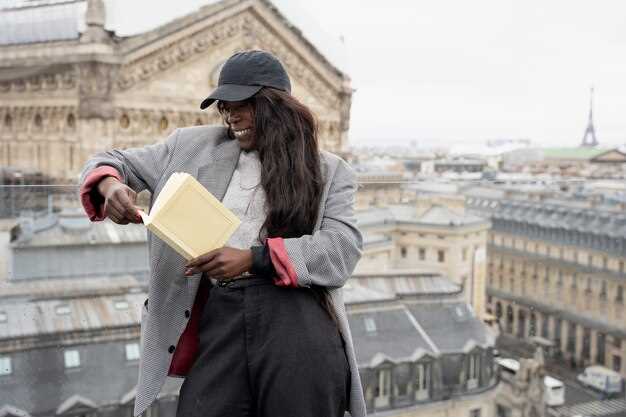 7 መንገዲታት ንፈረንሳውያን ክትስዕር እንከሎኻ ተጓዒዝካ – መምርሒ ተግባራዊ ንጎብኚ ሃገር ፈረንሳ">
Greet with bonjour and a warm smile within the first seconds of contact, then say thanks when help is offered. This sets a positive tone in shops, cafés, and on public transit. In France, a brief exchange opens doors and shows respect from the start. For travellers, these seven tips help you win over locals, and you’ll feel the love they have for their city, whether you’re wandering Lyon’s markets or Nice’s seaside lanes.
Three phrases unlock friendly exchanges: bonjour, s’il vous plaît, ናሁ። merci. Use them when ordering, asking directions, or requesting a quick favor. In markets and on a dune walk, these words reduce friction and invite locals to share their ምንጭ of tips–where to explore, which spots to visit, and which château to tour (heres a note for frances travelers): this approach smooths conversations and builds goodwill.
When you visit a château, listen before you ask questions, and time your photos to moments when the guide pauses. A quick, genuine compliment about the architecture helps, then say thank you and move on. These small moments show you respect local culture and invite staff to share more about history, events, or lesser-known corners of the property.
Respect service norms in restaurants and cafés: even if you are used to tipping, wait for the bill and leave a modest amount if service is not included. In most places, the price on the menu already includes service; a small thanks at the end supports staff without pressuring the server. This practice also signals you value their time and care, which locals notice in how you handle mistakes or delays.
Avoid the wrong assumption that everyone in France speaks English fluently. In public venues, listen carefully, read posted signs, and use simple phrases. If you don’t catch a price or a time, ask a staff member politely and confirm in writing on a post or note–this helps prevent misunderstandings that locals perceive as careless and adds clarity for your plan to explore.
After a day of exploring, share a concise ይለጥፉ with a specific memory and a comments section for fellow travelers. Mention a reliable ምንጭ for directions so others don’t get lost. If you had a positive encounter, acknowledge how a vendor or guide helped you; it builds trust for future visits and encourages more people to stop and chat.
Across years, frances travelers find that greeting politely and sharing thanks yields more support from locals, especially in market stalls, museums, and public events. If you hear a local mention of hidden spots or a mountain trail, consider exploring it; you may discover a château terrace, a dune with fewer crowds, or a winding path in the mountains that reveals the true rhythm of the country.
Smart, practical tips to win over locals and adapt to French daily life
Greet locals in French: say bonjour and Madame or Monsieur when you enter a shop or café; this simple interaction opens doors and makes people more willing to help when youre visiting rural towns.
Dress for the setting: avoid sweatpants in shops or churches; wear neat casual clothes, keep your bag light, and watch your body language in queues or on transit.
Learning tips: if youre learning French, keep phrases short and clear; listen more than you speak, and laugh off wrong attempts so you can keep the conversation going into the next exchange.
Food and stays: seek homemade meals and traditional options; in gîtes and rural homes, ask about regional specialties and how dishes are prepared; a sincere compliment goes a long way, which helps you enjoy the meal. If the area has thermal spots, treat the visit with calm, follow posted rules, and keep voices low near water.
Midi, markets, and timing: follow local rhythms; following hours vary, many shops close at midi or reopen after lunch, so plan visits and meals accordingly; in markets, sample small bites and ask questions about the producers to find fresh, seasonal items.
Privacy and conversation: respect personal space, pace your talk to match locals, and stick to light topics like weather, local events, or sports; if a topic feels sensitive, switch to something universal and friendly.
Everyday travel basics: carry small change, use public transport or walk when possible to blend into towns; ask before taking photos or sharing them with others; if you post, make sure you have consent from the people involved and respect local norms.
Learn essential French phrases: greetings, please, and thank you
Begin with a friendly Bonjour or Bonsoir, then add S’il vous plaît for requests. In loud environments, a clear greeting really helps and signals respect for local culture. This simple move is a practical choice for those who travel and want to connect, without forcing extra effort from the person you’re speaking to.
Merci works widely, but merci beaucoup adds extra politeness. Use it after a meal, at the counter, or when a service feels thoughtful. The general habit fits cafés, shops, trains, and hotel desks, and none of these steps require special training–just a natural tone and a smile. Those small words can make a traveler feel welcomed rather than self‑conscious, especially during busy summer crowds and in islands where service is part of the local domaine.
The following sample phrases cover greetings, please, and thank you, plus common variations you’ll hear in daily life. Practice each one aloud a few times to build confidence without sounding stilted; the goal is a natural flow in any situation.
Keep a steady pace and a calm voice, even when the place is crowded or the topic is about a meal. If you need to order, add Je voudrais before your choice to signal your request clearly. This serious, real approach helps you stay respectful and makes the interaction smoother for everyone involved, including the staff who are responsible for your experience in tourism contexts.
In summer travel, you’ll notice that the simplest words can unlock better service and warmer interactions. Those phrases were designed to work in everyday settings, from casual cafes to hotel receptions, and they apply to those visiting islands, mainland towns, and beyond. The extra bit of courtesy you show with these words can shape the mood of your entire stay and leave you with memorable interactions, not just a quick transaction.
| Phrase (French) | ትርጉም | Context / Tip |
|---|---|---|
| Bonjour | Hello / Good day | Use at the start of any daytime interaction; eye contact helps. |
| Bonsoir | Good evening | Choose after 6 pm; friendly in relaxed settings. |
| S’il vous plaît | Please | Place before a request; pair with Merci afterward. |
| Merci | እናመሰግናለን | Simple and universal; use after service or help. |
| Merci beaucoup | Thank you very much | Extra politeness for special assistance or meals. |
| Excusez-moi | Excuse me / Pardon | Attract attention politely in crowded spaces or stores. |
| Je voudrais… | I would like… | Useful to start a meal order or request; concise and clear. |
| Parlez-vous anglais ? | ታኒ ትግርኛ ትዛረብ ዲኻ፧ | When needed; keep it simple and respectful if you’re unsure of language comfort. |
| Au revoir | ሰናይ ምሸት። | Leave politely; a smile leaves a positive impression. |
Address locals correctly: use formal vous in first encounters

Always greet with Bonjour, Monsieur or Bonjour, Madame, and keep vous in first encounters. Example: Bonjour, Madame, comment allez-vous? Pouvez-vous m’aider, s’il vous plaît? Je suis un traveller et je voudrais des informations sur les heures d’ouverture. This sets the tone for the interaction and signals respect from the start.
Using vous signals respect and invites the person to help; your choice of words will shape the exchange and smooth the conversation through the differences you encounter in service culture. In public places like museums, shops, cafes, and on trains, this approach overcomes language barriers and helps strangers feel welcome.
In museums, particularly unesco-listed museums, staff expect formality. When you ask for directions or tickets, keep sentences short: ‘Où se trouve le musée unesco-listed le plus proche?’ or ‘Pouvez-vous me recommander un musée célèbre?’ During lunch around midi, you will notice staff ready to help if you stay polite. For a first visit to famous sites along the waters or on a boat tour, greet politely at the ticket counter; this habit often saves time in a busy line and yields a little extra information from a well-informed person.
Switching to tu: wait for an invitation. If they say ‘tu’, you can adapt; otherwise stay with vous. Strangers will appreciate your discretion and will feel comfortable offering tips about lunch spots, little-known museums, or hidden boats on the river.
Useful phrases to carry: ‘Bonjour, monsieur/madame. Comment allez-vous?’ ‘Pouvez-vous m’aider, s’il vous plaît?’ ‘Où se trouve le musée unesco-listed le plus proche?’ ‘Je suis un traveller et j’aimerais une recommandation pour déjeuner.’ ‘Pourriez-vous recommander un restaurant près d’ici?’ ‘L’addition, s’il vous plaît?’ ‘J’ai réservé en ligne’ (online). ‘Un petit conseil?’ ‘Merci beaucoup.’ These words and phrases will keep you confident in any situation and help you stay respectful amid a language gap that might otherwise feel intimidating.
Navigate cafés and restaurants: how to order, ask for the bill, and tipping norms
Planning your cafe stops around warm greetings pays off. Begin with a friendly “Bonjour” or “Bonsoir,” make eye contact, and speak clearly. This politeness sets a cooperative tone and helps ourselves settle quickly. If English isn’t enough, use short phrases and point to items on the menu–the truth is most servers appreciate the effort.
How to order efficiently:
- Greet and book a table: say, “Bonjour, une table pour X, s’il vous plaît.”
- Choose a path: “Je voudrais” followed by the dish, or “Je prendrai” for a specific item. For a quick request, add “s’il vous plaît.”
- Ask for details when needed: “La carte, s’il vous plaît?” or “Les plats du jour?”
- Request extras calmly: “Une baguette, s’il vous plaît,” or “Un café, noir, s’il vous plaît.”
Notes to smooth the flow:
- Keep a small notebook with basic phrases and numbers for counters, and you’ll avoid wrong orders.
- In larger towns you’ll find some staff who speak English, but try the French lines first–greetings and the word for merci go a long way.
- When you travel to a château or a classic cottage, the routine stays the same: greet, order, and enjoy.
Asking for the bill and tipping norms:
- Signal you’re ready: “L’addition, s’il vous plaît.”
- Check whether service is included: look for “service compris” on the bill. If it’s there, you don’t have to tip beyond rounding up. If not, you may leave a small tip to show appreciation.
- Typical amounts: round up to the nearest euro for a casual coffee or pastry; for a full meal, 5–10% is common if service isn’t included. In many places a couple of euros per person is sufficient in a cafe, while a sit-down dinner may warrant a bit more.
- Express gratitude in the local way: add “Thank you” in English if needed, but a sincere “merci” goes far in any setting.
Practical tips for travel days along the coast or on an island stay, and even when you plan a stop near a village like Rocamadour or a large city:
- Carry small change: coins are handy for rounds or small purchases, especially for a baguette or a quick pastry.
- Read the word on the bill: if you see “pourboire non inclus” you may consider tipping a little more for friendly service.
- Use your Routard or travel app as a quick reference for norms in a given town; a quick bing search can reveal local phrases that fit your plan to travel with confidence.
- Keep meals efficient in busy places by planning your order ahead of time and avoiding overly long conversations during peak hours.
- If you loved a dish, don’t be afraid to compliment the cook in simple terms; most places appreciate the positive word and it helps the overall experience stay memorable.
Sample phrasing you can adapt on the fly:
- “Bonjour, une table pour deux, s’il vous plaît. Je voudrais le croissant et un café, merci.”
- “Pouvez-vous recommander un plat léger?”
- “L’addition, s’il vous plaît. Le service est-il compris?”
- “Merci pour votre aide, et excellente soirée.”
With these steps, you’ll navigate cafés and restaurants with ease, enjoying the beauty of French cuisine and the warmth of local hospitality–a reliable way to travel well, wherever your stays take you along the coast, on an island, or near a famed château. Whatever your plan, a few clear phrases and a respectful approach will serve you most, even during an evening that starts with a simple baguette and ends with a memorable conversation.
Be patient with pace and service times: plan ahead for queues and peak hours
Buy skip-the-line tickets online for popular sites and reserve timed-entry slots to save 20–60 minutes on peak days. If your plan includes rocamadour, châteaux, or places near nantes, check official pages for seasonal hours and language options. Arrive 15–30 minutes before your slot to settle in and catch any staff updates. This approach lets you spend more time enjoying the views, the architecture, and the culinary details of the visit rather than waiting in line.
Amid crowds, stay flexible: keep a list of backup spots and be ready to shift plans by 30–60 minutes. When you see a queue growing, ask staff for the current wait time and plan a nearby activity–a stroll, a café, or a quick pastry. Use interaction with locals to discover offbeat spots, which often deliver an impressive bite and a better sense of local norms. Hearing a few phrases in the local languages helps speed conversations; others will appreciate the effort. If you hear references like labellepatineshutterstock in search results, focus on authoritative pages instead.
Plan a light schedule to avoid back-to-back lines: book a morning slot, then a later afternoon slot, and use midday to stroll in nearby squares, sample a bakery, or visit a free exhibit. Stick to your list of priorities and leave none of the things to chance; this keeps your pace normal and your expectations aligned with on-site service. Everywhere you travel, queues tend to be shorter before opening and after lunch, so be prepared to adjust and move with the crowd amid the rhythm of travel days.
Engage with locals meaningfully: ask for recommendations and listen actively
Ask a local shopkeeper at a neighborhood market for their top three places to eat or visit within walking distance, then go to one with them in mind. This really works when you start with a warm bonjour in french and keep a peaceful, curious tone, whether you’re traveling solo or with someone, including women who staff the stalls.
- “ምን በዚህ ከተማ ውስጥ ለሚኖር ተጓዥ በእርግጥ ይመክራሉ?” የሚል ቀላል ጥያቄ በመጠቀም ሶስት የግል ተወዳጆችን እና ምክንያቶቻቸውን ይጠይቁ። በተለይ ገበያውን ለቀው ከሆነ በጉዞው ላይ ሁለት ወይም ሶስት ቦታዎችን እና በኪሎሜትር ምን ያህል ርቀት እንዳላቸው ያስተውሉ። በአቅራቢያ ያለ የሙቀት መታጠቢያ ከተጠቀሰ, እንዴት መድረስ እንደሚቻል ይጠይቁ.
- ኣ внимателно ስማዕ፤ ኣዒንትኻ ኣገናኒ፡ ራእስኻ ምንቅስቓስ ኣድሕር፡ ከምኡ’ውን ምርዳእካ ንምርግጋጽ ነቲ ዝሰማዕካዮ ብምድጋም ግለጾ። ንኣብነት፡ “እሞ እቲ ኣብ ጥቓ ገበያ ዘሎ መጋገሪ ንባጌት ጽቡቕ ድዩ፡ ቅድሚ 11 ድ. ቀ. ድማ ንቑሩብ መስተንፍሲ?” እዚ ኣገባብ እዚ ኣብ ማእከል ህዝባዊ ምንቅስቓስ ነቲ ፍልልይ ንኽትፈልጦ ይሕግዘካ።.
- ብሓሳብካ ምንቅስቓስ፦ 2–3 ቦታታት ምረጽ፣ ንእግሪ 30–60 ደቒቕ ዝኸውን ተወሳኺ ግዜ ሓስብ፣ ከምኡ’ውን ናብታ ፍልጽቲ ቝሸት ንምብጻሕ ብህዝባዊ መጓዓዝያ ወይ ድማ ብሓጺር ጉዕዞ ርሕቀት ጸኒሕ። ኣብ ቦርዶ ወይ ኣብ ገጠር ከተማ፡ እዚ ካብ ልክዕ ንላዕሊ ምቁጽጻር ይከላኸልን ዝበለጹ ኣማራጽታት ከምዘየምልጡኻ የረጋግጽን።.
- ብተግባራዊ ሕቶታት ተከታተልቲ ንምክያድ ሓግዝ፦ “ክፍቲን መዓስ ይዕጸውን፧ ንምብላዕ ዝበለጸ ቦታ ኣበይ እዩ፧ ከም ትኩስ ባጌት ወይ ከባብያዊ ፍልፍል ዝኣመሰሉ ክትፍትንዎም ዘለኩም ነገራት ኣለዉ ዶ፧” እዚ ጽሑፋት ንቡር ናይ ቱሪስት መጻወድያታት ንኸይተርክብን ከባብያዊ ትሕዝቶ ንኽትማርኽን ይሕግዘካ።.
- Apreciate epi montre rekonesans: remèsye yo, achte yon ti bagay si sa posib, epi di yo ou pral pataje sa ou te eseye a. Yon mèsi sensè an franse enpòtan anpil, sitou nan Bòdo oswa lè w ap vwayaje nan yon plas piblik.
በመንቀሳቀስህ መካከል፣ የአካባቢ መሪን ስትከተል ስሜቱ የበለጠ ሰላማዊ እንደሆነ ትገነዘባለህ። እንዲሁም አዝማሚያዎችን ተመልከት፡ ከገበያ ከወጡ በኋላ አብዛኞቹን የአካባቢው ነዋሪዎች የሚስቡት የትኞቹ ቦታዎች ናቸው፣ እና ጥራትን በሚጠብቅ ሰው ዘንድ ተመራጭ የሆኑት የትኞቹ ቦታዎች ናቸው። ይህ አካሄድ ከአጠቃላይ ጠቋሚዎች ይልቅ ጥሩ፣ ተጨባጭ አማራጮችን ይሰጣል፣ እና በገጠር መሃል የግል መመሪያ ሊሰጥህ ከሚችል ሰው ጋር እንድትገናኝ ያግዝሃል። ከሁሉም በላይ ቀላል አድርግ፡ ምቹ ልብሶችን ልበስ (ላብ ሱሪ በተለመዱ ቦታዎች ጥሩ ነው)፣ ጨዋ ሁን፣ እና የአካባቢው ፍጥነት የማይረሳ የ baguette እረፍት እና በተለመደው የከተማ ሁኔታ ውስጥ ካለ ነዋሪ ጋር አጭር፣ እውነተኛ ውይይት እንዲመራህ ፍቀድለት—በከተማው መሃልም ሆነ ከእርሻ ኪሎ ሜትሮች ርቀት ላይ። ሰዎችን ተገናኝ፣ ጠይቅ፣ አዳምጥ፣ እና ወደፊት ባሉት ሰዓታት ውስጥ በእውነት የምታደንቃቸውን ምክሮች ይዘህ ትመለሳለህ።.
ፕሮቶኮልን ልማዶች፡ የግል ቦታ፣ ቀጥተኛነት እና የጉዞ ስነምግባርን አስቀድሞ መገመት
ማዕዶት ይግለጽ፤ ብትሕትና “Bonjour” ኢልካ ሰላምታ ሃብን ኣብ ዘረባታት ምስቲ ኸባብያዊ ስልቲ ምስ ኣተዓራሪኻ፡ ዘይምርድዳእ ኣወግድ። እዚ ኣገባብ ንተጓዓዝትን ብዙሕ ተመክሮ ዘለዎም ተጓዓዝትን እምነት ንኽፈጥሩን ዝያዳ ውሑስን ናይ ሓቂ ተመክሮ ንኽህልዎምን ይሕግዝ።.
እቲ ናይ ባዕልኻ ቦታኻ ኣኽብር፦ ኣብ ፈረንሳ፡ ሓደ ሰብ ዘይግድስ ኢሉ ክትረኽቦ ከሎኻ፡ ክትቀራረቦ ዘለካ ርሕቀት፡ ዳርጋ ፍርቂ ሜትሮ ወይ ክሳብ ሓደ ሜትሮ ኽኸውን ይግባእ፣ ንመጀመርያ ግዜ ምስ እትራኸብ ሰብ ኢድካ ምትሓዝ ልሙድ እዩ፣ ኣብ መንጎ ፈተውትን መሳርሕታትን ከኣ ኣየር ምሳም ምዝውታር ባህሊ እዩ። ሓደ ሰብ ንድሕሪት ገጹ እንተ ኣቢሉ፡ ተመሳሳሊ ግበር፣ ከምኡ’ውን ኣብ ሊፍትን ሰልፍታትን ኣይትጨናነቕ። ምሸት ምስ ኰነ ድማ ኣብ ከም ሙዘየምን ኣብያተ ንባብን መጓዓዝያን ኣድሂብካ ተዛረብ።.
ትክክለኛነት እና ቃና፡ የፈረንሳይ ግንኙነት ግልጽነትን ጨዋነት ጋር ያዋህዳል። ምን እንደሚፈልጉ በግልጽ ይግለጹ፣ ነገር ግን ጥያቄዎችን እንደ “ትችላላችሁ” ወይም “እባክዎን” ባሉሐረጎች ያቅርቡ።እውነቱን ያለ ግልጽነት ይናገሩ፣ እና ሐሳብን ከመገመት ይልቅ ፍንጮችን ያዳምጡ። የተወሰነ ልዩነት ሊያስተውሉ ቢችሉም፣ የተረጋጋና አክብሮታዊ አካሄድ በሀገሪቱ በየትኛውም ቦታ የሚሰራ ሲሆን ግንዛቤዎትን ለማሳደግ ይረዳል።.
Manman e ክብር፡ ኣብ ምሳሕ ዀነ ድራር፡ ክሳድካ ኣብ ሜስ ኣይትዘርግሕ፡ ክሳብ ኵላቶም ዚመገቡ ጽናሕ፡ ከምኡውን “እባኻ” ከምኡውን “የቐንየለይ” ተጠቀም። ኣብ ባቡራት፡ ሲነማታት ወይ ሙዘያታት፡ ነቲ እተለጠፈ ምልክታት ተኸተልን ነቲ ጸጥታ ዚግበረሉ ስፍራታት ኣኽብር፤ ብዘገርም ኣገባብ፡ ነቲ ፍሰት ሓደ ጕጅለ ምትኩርራብ ምግባር፡ ንዅሎም ሰባት፡ እንተላይ ነቶም ኪከታተሉኻ ዚኽእሉ ኣብ ሓደ ቦታ ዝነብሩ ሰባት፡ ለውጢ ንኽትገብር የቐልልካ። ህጹጽ ክትብል ኣየድልን ዚብል እምነት እውን ኣሎ፤ ግዜ ወሲድካ በቲ ህሞት ተስተማቕር።.
ዕይታን ማሕበራዊ ፍንወትን፥ ዝብልጭልጭ ክዳውንቲ ኣብ ገጠራትን ኣታኽልቲ ወይንን ዘይጥዑም ስምዒት ክፈጥር ይኽእል እዩ፤ ኣብ ሃይማኖታዊ ቦታታት ወይ ንኣሽቱ ቘሞናታት ክትበጽሑ ኸለኹም፡ ቀሊልን ንጹህን ክዳውንቲ ምረጹ። ሰባት ነቲ ንባህላዊ ልምድታት ዘሎኩም ኣኽብሮት የስተውዕሉ፣ ብዙሕ ግዜ ኸኣ ናብ ዝበለጸ ምዕላል ይመርሕ። ብዙሓት ተጓዓዝቲ፡ ንኣሽቱ ዝርዝራት–እዋን፡ ኣከዳድና፡ ርክብ ዓይኒ– ካብ ቃላት ንላዕሊ ኽነግሩ ኸም ዝኽእሉ ኣየስተውዕልዎን እዮም፣ ስለዚ፡ ንምርጫኹም ምስቲ ቦታን ዝበለጽኩምዎ ስጉምቲ ኣዛምዱ።.
የሀገር ውስጥ ልዩነት ጉዳይ ነው፡ ከባህር ዳርቻው ወደ ተራሮች በምትሄድበት ጊዜ፣ የሚጠበቁትን አስተካክል። በ écrins ክልል፣ ፈረንሳዊ ጎብኚዎች ብዙ ጊዜ ጸጥተኛ ትዕግስትን እና ወቅታዊ ሰላምታን ያደንቃሉ፤ በ Nantes እና በባህር ዳርቻ ከተሞች ግንኙነት የበለጠ ቀጥተኛ ሆኖም ግን ወዳጃዊ ነው። የስፓ ቀን ለማቀድ ካሰቡ፣ የሙቀት ከተሞችን ግምት ውስጥ ያስገቡ እና የቡድን እንቅስቃሴዎችን ከመቀላቀልዎ በፊት የዕለት ተዕለት እንቅስቃሴዎችን እና ቦታዎችን ለማክበር ይጠይቁ።.
ጠቃሚ የዕቅድ ምክሮች፡ ከአካባቢው ሰዎች ጋር ምሳ ለመብላት ወይም በወይን እርሻዎች ውስጥ በዝግታ ለመንሸራሸር ጊዜ ፈልግ፤ ምሽቶች ስለጉዞ ታሪኮች እና ከባህር ዳርቻው በላይ ስላሉት ከዋክብት ጋር ለመወያየት አመቺ ናቸው። በሰዎች መካከል ብዙ ልዩነቶች እንዳሉ መገንዘብ በፍጥነት እንድትላመድ እና ችግሮችን እንድታስወግድ ይረዳሃል። እርግጠኛ ካልተሰማህ ከአካባቢው ሰው ወይንም ልምድ ካለው ተጓዥ መመሪያ ለመጠየቅ አትፍራ፤ ናንተስ አቀራረብህን ለመለማመድ ጥሩ የሙከራ ቦታ ልትሆን ትችላለች፣ ይህም የተሻለ የጉዞ ስነ-ምግባርን ለማዳበር እጅግ ተግባራዊ እርምጃ ነው።.