


 አማርኛ
አማርኛ  English (UK)
  Русский
  বাংলা
বাংলা  العربية
  日本語
日本語  한국어
한국어  Magyar
  Norsk nynorsk
  Türkçe
  עִבְרִית
  Español
  Čeština
  Svenska
  Português
  Ελληνικά
  Suomi
Suomi  Nederlands
  Română
  Italiano
  Français
  Polski
  Українська
  Deutsch
  简体中文
简体中文  Slovenčina
  Српски језик
  اردو
اردو  Azərbaycan dili
  O‘zbekcha
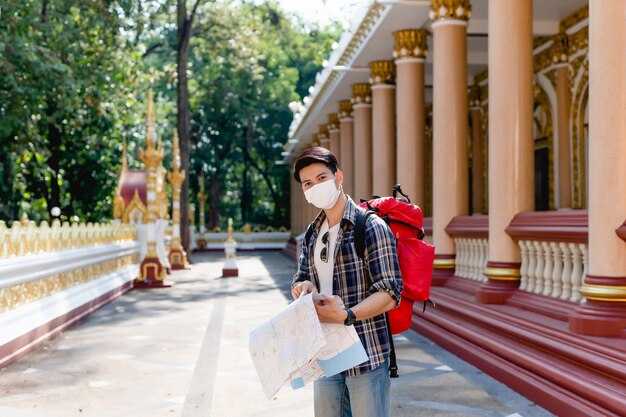
Plan Macau now: book a central hotel and start with a compact four-day itinerary that keeps transit easy. The central location puts you steps from Senado Square, the waterfront, and Cotai’s venues. Consider Banyan Tree Macau or the venetian Macao as your base, then use the Hong Kong–Zhuhai–Macau Bridge links to arrive smoothly from Hong Kong or Zhuhai.
That portugal influence shines in tilework and façades, while the statue of A-Ma anchors the harbor. Known for its customs that blend East and West, Macau invites you to stroll from Senado Square toward the garden area behind the old walls, where banyan trees shade a quiet plaza. Bridges and narrow lanes connect heritage sites with modern venues, and a short ride across the bridge brings you to the venetian-inspired canal at The Venetian Macao, a highlight for shoppers and entertainment.
The culinary scene blends East and West in every bite. Expect egg tarts that echo portugal’s pasties, Cantonese dim sum, and seafood tossed with Portuguese garlic and olive oil. In the central area you can join a culinary walk that pairs small bites with notes on trading links between cuisines. After sunset, the venetian-inspired venues host live cooking demonstrations that suit adults seeking a hands-on experience.
Easy to reach from regional hubs, Macau fits a short break or a longer detour in your itinerary. The city center is walkable, while Cotai and the waterfront are connected by efficient transport. For a restful escape away from crowds, wander the garden areas near the riverfront, then end the day with a sunset view near the statue and a night at Banyan Tree Macau or The Venetian Macao. This mix of heritage and modern luxury makes Macau a natural addition to your travel plans.
Walk Macau’s UNESCO Historic Centre in a one-day itinerary

Begin at Senado Square at sunrise for the first move. The central square is built from mosaic tiles that reflect influences from Portuguese and Chinese culture. Bring a stored-card for easy transit between sites and enjoy a relaxed pace that keeps you in the moment. This route is user-friendly and provides everything you want to feel the asian energy and european elegance–without rushing. Its charm thats hard to beat.
Morning route: Senado to Ruins, then A-Ma Temple
From the square, the three-stop loop leads you to the Ruins of St. Paul’s, a stunning façade that provides unforgettable photo-ops. The first stops form a compact circuit through macau’s historic core, then onto the A-Ma Temple, where incense, stone carvings and courtyards reveal centuries of culture. These temples, built on a hill, anchor Macau’s spiritual life. Street performers add a touch with light stunts that remind you of daily life here, and small shops bringing local snacks and crafts along the way. In the early light, the lanes feel calm and inviting, without crowds that arrive later in the day.
Afternoon loop: Monte Fort and central lanes
Climb to Monte Fort for panoramic views that bring the city’s skyline into focus and show how the colonial and Asian influences coexist. The fort sits beside Leal Senado Building; its courtyards and arches showcase built heritage you can touch with your eyes. The stroll winds through central lanes with small shops, craft stalls, and local eateries that bring Macau’s culture to life. For a closer look at the fusion of styles, step into St. Lawrence’s Church or the nearby temples and courtyards. The route ends back at Senado Square, a paradise for photographs and a moment to reflect on a day well spent.
Taste Macanese cuisine: must-try dishes and where to find them

Begin with Tai Lei Loi Kei’s pork chop bun at Senado Square to set your plan, then cross to Coloane Island for a Portuguese egg tart at Lord Stow’s Bakery–a sweet counterpoint to savory bites that anchors Macau’s culinary story across the islands and the historic center.
The pork chop bun delivers a crisp, peppery crust and a juicy chop inside a soft bun; each bite reveals how simple ingredients meet bold flavors. You’ll find it in the historic center around Senado Square and at Taipa Village shops, where busy travelers pause between visits to museums and the nearby tower and casino complexes.
Minchi, Macau’s iconic Macanese dish, blends minced meat with potatoes and a fried egg crown. Order it at A Lorcha, a Macanese‑Portuguese favorite in the historic center, and try variations in Taipa Village eateries that meet outdoor dining options on warm evenings. The dish showcases a culinary cross‑current that belongs to both sides of Macau’s heritage, and the aroma can feel almost evil at first bite before mellowing with soy and garlic.
Bacalhau–salt cod in comforting forms–appears in many forms, from Bacalhau à Brás to other cod dishes. O Santos, near Senado Square, serves a classic Bacalhau dish that pairs with rice or crusty pão. Nearly every hotel restaurant and many casual shops around the center offer cod dishes, so you can time visits to suit your schedule and build a full tasting loop during your stay.
Around these classics, Macau’s resort scene adds a grand backdrop: the Venetian’s center showcases a blend of Macanese flavors with Italian‑style presentation, and the grand hotels line the Cotai Strip with outdoor dining spaces and casino‑side eateries. Travelers stroll the Shops at nearby centers, then drop by Macau Tower for a quick view before dessert. A small sign‑board in a Taipa cafe even nods to Locke, a quirky detail that reminds you how historical influences linger in everyday spots. The result is a culinary showcase where China meets Portugal, and where each bite fits into a broader travel rhythm–time to plan a relaxed loop that visits them all, from historic stalls to modern hotels, while the machines of the casino age keep pace around the center. Nearly all courses build on Portugal’s legacy while embracing local seafood and spice, so you’ll feel the harmony of both cultures in one flavorful afternoon and into the evening. Hair‑thin steam from fresh buns and sizzling cod rise into the air as you move from center to island, tasting the evolution of Macanese cuisine as travelers plan their next visit.
Balance casino glamour with culture: top non-gaming attractions and shows
Start your Macau cultural loop with a quick ascent to the fortaleza site, Fortaleza do Monte, for sweeping city views and a sense of the centuries-long blend of European and Chinese influence. The adjacent Macau Museum offers a concise timeline of culture, architecture, and daily life under portugal rule.
Then stroll to Lou Lim Leoc Garden, a quiet haven that blends Chinese garden design with Portuguese tilework and delicate pavilions. Find a bench by the pond, snap a shot beside the arch, and plan a seafood-dining stop nearby to savor flavors that fuse Atlantic freshness with Cantonese technique–a paradise for food lovers.
Evening options: The House of Dancing Water at City of Dreams delivers a grand, water-based show that showcases Macau’s production skills, a striking contrast to casino glamour. For a shorter cultural moment, catch a traditional opera snippet at a local theatre or a light-and-sound performance at the Macau Cultural Centre.
What to see and when
| Attraction | Focus | Best time | ጠቃሚ ምክሮች |
|---|---|---|---|
| Fortaleza do Monte | Historical fort; panoramic city views | Առավոտյան | Arrive early, pair with the Macau Museum |
| Macau Museum | Historical timeline; architecture | የማለዳው መጨረሻ | Explore exhibits on portugal and local trades |
| Lou Lim Leoc Garden | Garden paradise; tranquil paths | Afternoon | Wear comfortable shoes; bring water |
| A-Ma Temple | Historical temple; maritime roots | የመሽት ሰዓት | Combine with Senado Square stroll |
| The House of Dancing Water | Grand show; water artistry | ምሽት | Book seats days in advance |
Dining and practical tips
Pair your cultural stops with a european-influenced dining district near Senado Square, where seafood options meet Portuguese-inspired flavors–perfect for a post-visit meal. If you’re staying with ease, consider a marriott property for quick access to Cotai venues and convenient shuttle routes to the grand shows. Keep an eye on tips for ticketing and timing, and remember to build a light buffer between attractions so you can find something new at every corner without rushing.
Plan logistics: best time to visit, transport options, and lodging near sights
Visit Macau in October or November to enjoy mild weather and lighter crowds–this timing takes advantage of favorable traffic conditions and easier planning for your route between sights.
Details below help you explore efficiently and understand how to balance center highlights with island escapes.
Best time to visit
- Weather: daytime averages around 20–25°C with cool evenings, making strolls through the center comfortable and the outdoor areas around venetian architecture enjoyable.
- Crowds and prices: lighter on weekdays in October and November; peak periods cluster around December holidays and big events, which can raise hotel rates and affect traffic.
- What to plan: if you’re gonna explore both the historic center and Cotai, allocate 3–4 days to cover key sights, with a quiet Coloane day trip as a contrast.
Transport options
- Ferries to Macau: from Hong Kong or Zhuhai, arrive at Outer Harbour or Taipa terminals; typical travel takes 60–90 minutes, with frequent departures. Operators include TurboJET and CotaiJet; prices vary by class but expect roughly HK$180–HK$320.
- Inside Macau: taxis are convenient for door-to-door transfers, especially when you’re hopping between the center sights such as Senado Square, Ruins of St. Paul, and Monte Fort; a short center ride usually costs modestly and traffic is predictable outside peak hours.
- Public transport: well-priced buses connect the peninsula’s major sights; buy local IC cards or single-ride tickets and plan routes to minimize backtracking.
- Airport access: Macao International Airport links to several Asian cities; from there, a 15–20 minute ride gets you into the center or Cotai belt.
- Cross-island travel: for the Coloane side and quieter beaches, use a taxi or local buses–it’s easy to combine a Coloane stop with a visit to macaus island heritage sites.
Lodging near sights
- Center (Peninsula): stay within walking distance of Senado Square, Ruins of St. Paul, and Monte Fort to minimize travel time; look for a hotel with free Wi‑Fi and a reliable restaurant scene nearby.
- Cotai and venetian area: the Venetian Macao provides direct access to vast shopping and entertainment, and a stunning pool area; a Hyatt-branded option nearby offers dependable service and easy access to major sights.
- Coloane Island: for a calmer pace, choose a boutique hotel on Coloane with ocean views or close to nature trails; great for a relaxing break after busy days in the center; you’ll find a different flavor of macaus architecture and life here.
- Hotels for every category: plan around your budget–luxury options around the center and Cotai (including venetian) give you convenience and high service level, while mid-range properties offer solid value and easy access to the sightseeing loop.
- Facilities to look for: the pool is a nice bonus after a day of walking, and many properties feature on-site restaurants, which provides convenient dining without long walks in crowded streets.
Practical tips for a smooth stay
- Plan by geography: group center sights in morning walks, then head to Cotai or Coloane in the afternoon to balance crowds and traffic.
- Book ahead for popular attractions and consider combo tickets to reduce lines at the center’s top landmarks.
- Ask hotel staff for preferred routes and up-to-date transit options; locals know the best points to cross and the fastest paths between sights.
- For a balanced itinerary, start at a central point, then vary your day with a peaceful Coloane stop or a stroll along the island’s coast to reset your pace.
From center to island and back, your plan should feel efficient, comfortable, and flexible–and the below approach helps you maximize every moment of your macaus visit without feeling rushed.
Gonna explore beyond the center? Coloane offers quiet beaches and a slower pace, while Cotai keeps you close to the iconic venetian complex with easy access to restaurants and entertainment.
Using our affiliate links: how to book tours, hotels, and save
Click our online affiliate links to lock in Taipa resort stays and guided tours, then save money with bundled itineraries that pair dining and museum experiences, a paradise for chinese culinary lovers. A lone tree frames the entrance, and a beautiful coastline winds along the water.
Three reasons this method boosts value: better rates, streamlined planning, and access to hand-picked experiences along the waterfront. If you are trying to maximize value, this approach takes only minutes to set up.
This is the only way to compare live pricing across partners and avoid hidden fees. The prices shown online for Taipa resorts and restaurant combos are above standard room rates when booked individually, and you can skip extra charges without sacrificing comfort.
Three example bundles to consider: 1) a Taipa resort stay + a culinary tour + a dinner at a restaurant; 2) a city stroll with a museum visit and a taipa riverfront dining experience; 3) a resort package with multiple experiences along the water. All packages come via our online portal and include flexible cancellation where offered.
For international travelers, you can combine island tours, culinary tastings, and museum visits to reduce complexity and money spent. Everyone can access these offers online from any device, and dont require a separate account.
Be sure to follow through and save; dont miss the opportunity to lock in savings. After choosing a package, verify the final price on the affiliate page and keep a copy of the confirmation for your records.