


 አማርኛ
አማርኛ  English (UK)
  Русский
  বাংলা
বাংলা  العربية
  日本語
日本語  한국어
한국어  Magyar
  Norsk nynorsk
  Türkçe
  עִבְרִית
  Español
  Čeština
  Svenska
  Português
  Ελληνικά
  Suomi
Suomi  Nederlands
  Română
  Italiano
  Français
  Polski
  Українська
  Deutsch
  简体中文
简体中文  Slovenčina
  Српски језик
  اردو
اردو  Azərbaycan dili
  O‘zbekcha
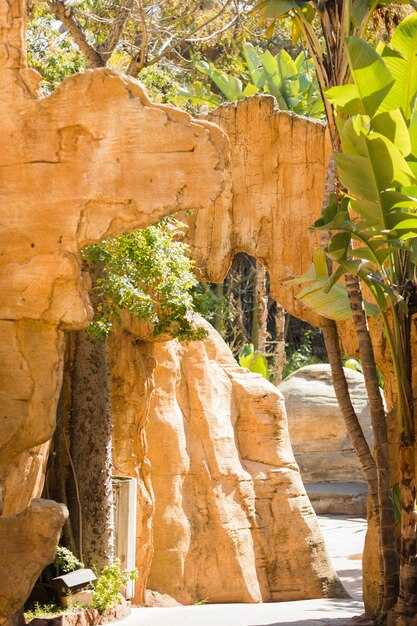
Visit the cliff behind norte at first light; this starting stop opens 17 hidden gems across Mexico. Along the way, the trail leads to a quiet cavern and coastal views. Each next stop comes with its own location, its own rhythm, and a chance to test your travel skills.
From cenotes to quiet bays, these spots span a range of settings. Expect coastal winds, mountain air, and dusty trails. Check access times, seasonal ሁኔታ የአየር conditions, and how light shifts mood from blue to gold as you move from one location to the next.
ወደ understand what makes these spots distinct, map out each location, note access paths, and respect local rules that regulate visits to fragile sites. The highlands bring cold mornings that wake the senses, while coastal pockets offer brighter, warmer air. Remind yourself to pause at small restaurants along the way and listen to tips from locals who went before you.
Pack light but ready: a warm layer for dawn, a headlamp for cavern nooks, and a compact camera to capture cliff light on the water. Be sure to stay flexible with your timing to savor the moment in each place and enjoy conversations with guides and neighbors who keep these sites welcoming.
Begin with a two-night stay in Xilitla, a potosina town behind the central Sierra, where Las Pozas unfurls across a large rainforest and feeds curious travelers with art, water, and shade. This compact introduction sets a practical rhythm for a first-time plan, balancing light hikes with intense scenery.
Next, plot a morning visit to Cascadas de Agua Azul and Misol-Ha in Chiapas. Both sites open early; walkable trails stay shaded, and a short boat ride near Agua Azul reveals cascadas that cascade in turquoise tiers. Bring reef-safe sunscreen, a light rain jacket, and cash for modest entrance fees; check hours at the gate and arrive before 9:00 to dodge crowds.
In Michoacán, the butterfly reserve near Angangueo displays millions of wings during peak season. A guided walk helps families spot habitats and explains monarch behavior; look above the pines as wings drift across the forest canopy.
For a sea escape, head to Isla Espiritu Santo off La Paz. A day trip by fast boat delivers snorkeling with sea life, and the island offers calm beaches for families. From the boat you may spot flying fish skimming above the surface and dolphins across the horizon; bring a waterproof bag for a phone camera.
Use central hubs to connect these spots: fly into Mexico City or Merida, then hop domestic flights to Tuxtla Gutiérrez or La Paz, and Xilitla is reachable by road from San Luis Potosí. Buses on the longer legs stay comfortable and affordable; car rental offers flexibility to explore offbeat dirt roads, but choose a 4×4 if you plan to reach forest trails. Always check weather windows and road closures across the mountains; a quick call to a local operator saves hours.
In towns along the route, drop into the biblioteca to pick up maps and ask locals about other hidden spots. A local guide named juan can tailor a day that stays within regulated sites and avoids steep climbs; his insights help families avoid long stretches and keep the pace interesting.
Along the coast, you may encounter hippies staying in eco-hostels who value simple meals and sunlight. Respect their space, dont overprice crafts, and buy directly from makers to support sustainable small businesses. This approach makes the cultural mix richer and keeps your plans flexible for last-minute detours.
Pack a compact kit: sunscreen, insect repellent, a hat, a lightweight rain shell, cash in pesos, and a phone power bank. Stay mindful of wildlife and respect protected zones away from marked trails. If you miss a sunrise at a waterfall, adjust and head to a nearby bench with shade; you can still capture the glow above the water from a safe overlook.
With these stops, you gain a practical picture of Mexico’s hidden gems while staying comfortable for a longer stay and letting travel flow across varied terrains.
Compact 1-2 Week Itineraries for Offbeat Destinations
Begin in merida and spend three days looping through churches, bustling markets, and limestone cenotes tucked in the hills. Shift to the Puuc route–Uxmal, Sayil, Labná–for a different perspective on Maya stonework, then return to merida for a night or two at comfortable hotels and easy walks along the setting sun.
From there, take a coastal detour: a short drive to Celestún for a boat trip through mangroves to islets and islands. The mineral-rich waters and quiet beaches offer a refreshing contrast to the bustling city scene. After the afternoon ride, pause in puerto Progreso for a seafood lunch and a stroll along the pier.
Next, head inland toward Valladolid or Campeche state for two days. Explore cenotes in limestone country, wander churches in the town center, and plan a late-afternoon stop at chichen Itza to beat crowds. Having a short list of priorities helps keep the pace full without fatigue. Dios, the arches (arco) and ancient walls add a visual rhythm to every corner.
Finish with a coastal loop: either end on the Campeche coast or loop back toward merida for a final night. Take island trips for a half- or full-day, enjoy a quiet boat ride at sunset, and choose a seaside hotel that offers a calm setting to recharge before your flight home.
Seasonal Tips: Best Time to Visit Each Site
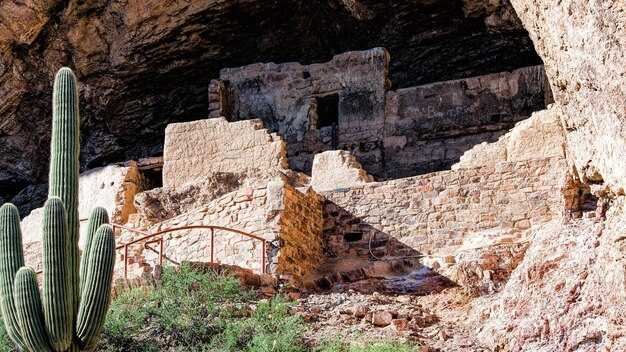
Recommendation: Visit Hierve el Agua during the dry season (November through April) for safety, clear views, and calm trails on weekends; the mineral pools stay pleasantly cool and the head of the terraces offers a dramatic overlook.
Las Pozas, Xilitla (San Luis Potosí) Best time: November–April. The surrealist garden thrives in drier months when mist doesn’t drench the concrete structures; mornings are cooler and light is ideal for photography among the tree-framed sculptures. Weekends fill with visitors, so arrive early to explore the network of pools and stairways. Some paths can be closed after heavy rain–check locally and wear sturdy shoes for stable footing.
Real de Catorce (San Luis Potosí) Best time: October–April. At altitude, evenings cool noticeably and skies stay clear, making it easy to wander main streets and chapels without heat. The vibe suits everyone, from solo travelers to small groups, but plan for higher elevation and occasional wind. However, winding roads can slow arrivals on weekends; book ahead and bring a light jacket.
Sumidero Canyon (Chiapas) Best time: November–April for calm water and steady boat trips. The canyon’s walls create dramatic scenery, and a river ride reveals wildlife along the cliffs. Start early to beat heat and crowds; in rainier periods, schedules can shift or halt boats. The experience remains powerful and accessible for most visitors, with outlooks that feel expansive across the landscape.
Barrancas del Cobre (Copper Canyon, Chihuahua) Best time: October–April; spring and fall offer comfortable temps, while summer can bring heat and storms. The train ride along the main line delivers stunning views of canyons, with riding opportunities along select routes. Pack layers for cool mornings and plan multiple days to cover several viewpoints; some sections may close during adverse weather, so verify before you travel.
Grutas de Cacahuamilpa (Guerrero) Best time: October–April. Caverns stay cool year-round (around 14–15 C), so a light jacket helps. Cathedral-like arches inside feel majestic, and the main chamber is truly cavernous. Some passages may close during rain, and tours run on set times; arrive early to maximize light and minimize crowding. This site becomes a memorable, safety-conscious choice for families and explorers alike.
Prismas Basálticas (Huasca de Ocampo, Hidalgo) Best time: October–April. Basalt columns emerge vividly after rains, with a tree-framed overlook and small water features completing the scene. Weekends draw locals and visitors, but a weekday visit keeps crowds manageable. The terrain spans across a wide plateau, mirroring mexicos’ volcanic belt and offering a dramatic, wide-angle perspective.
Cenotes Dos Ojos (Yucatán) Best time: November–April. Clear caverns, pleasant air, and excellent visibility make this a top choice for snorkelers and divers. If you visit in summer, go early to avoid heat near the entrance and the weekend crowds. The system invites an immersive experience that feels wildly immersive for underwater photographers and curious travelers alike.
Cenotes Cuzamá (Yucatán) Best time: November–April. A short rail ride through jungle paths leads to three connected cenotes with pristine mineral water. Rainy season can slow trips and reduce visibility; weekdays are generally calmer than weekends. For safety, wear water shoes and stay on guided paths; the routes across the jungle feel wide and easy to navigate, but staying with the guide is essential.
Isla Espíritu Santo (La Paz, Baja California Sur) Best time: October–April. Offshore lagoons calm, beaches stay swimmable, and snorkeling conditions stay favorable. Boat tours are popular on weekends, so book ahead. The archipelago offers riding along secluded ribbons of sand and a shoreline that stretches wide across the Gulf of California–an america-wide sense of wilderness with protected waters. Be mindful of wind forecasts and safety briefings before entering the water.
Calakmul Biosphere Reserve (Campeche) Best time: November–April. Jungle life flourishes, and the ruins rise above the canopy for dramatic views. The experience rewards hikers with relatively cooler days and abundant wildlife. Some facilities close during the rainy season; start at dawn to maximize sightings and avoid afternoon heat. The vast network of trails feels like a main corridor through the Maya lowlands, connecting across the dense forest landscape.
Monarch Butterfly Biosphere Reserve (Michoacán) Best time: October–March. Butterflies cluster in pines during cooler mornings; January and February host the densest swarms. Trails are manageable for most, and the forest hush creates a surreal, almost magical atmosphere. Weekends draw families, but the preserve remains tranquil enough for everyone to enjoy. The spectacle can become a memory that lingers long after you leave.
Parícutin Volcano (Michoacán) Best time: November–February. The crater and surrounding lava fields are dry and comfortable, with cool mornings ideal for a half-day ascent. The route climbs toward the head of the volcano, where mineral soils and hardened lava feel like nature’s own cathedral. Weather can make parts muddy; wear sturdy footwear and bring a light lunch. Occasionally, access is restricted by weather, so check current conditions before you go.
Sian Ka’an Biosphere Reserve (Quintana Roo) Best time: November–April. Mangroves, lagoons, and coastal habitats are most accessible during the dry season, with calm boat rides through canals. Weekends bring more visitors, so booking ahead ensures a smooth trip. The reserve offers beaches, wetlands, and jungle in one wide, connected corridor–a true cross-section of coastal ecosystems; however, some zones close during sensitive wildlife periods, so respect posted boundaries.
Bacalar Lagoon (Quintana Roo) Best time: November–April. Low rainfall and light winds deepen the lagoon’s blues, and the long shoreline features inviting beaches for sun and swim. Consider a guided ride along the shore to see cenotes and coves from the water. Some bays close during heavy weather; plan a morning slot to enjoy the light and heat comfortable for most travelers. The scene is so beautiful it can become a signature image for your mexicos itinerary.
Isla Holbox (Quintana Roo) Best time: November–April. The island offers relaxed beaches and shallow waters ideal for snorkeling. Bike or golf-cart rides are popular on weekends when the town buzzes with travelers; watch afternoon heat and potential storms in late spring. The laid-back vibe makes it easy for families and solo travelers to unwind, with nature-watching opportunities from pelican roosts to turtle nesting beaches.
Isla Mujeres (Quintana Roo) Best time: November–April. Calm seas and clear visibility around reefs and Punta Sur create excellent snorkeling and kayaking days. The main beaches stay lively, and a quick ferry from Cancun makes day trips simple. Plan early to secure parking and avoid crowds; the island blends wildlife, historical sights, and a casual, welcoming atmosphere, rounding out a wide spectrum of experiences across mexicos’ coastline.
Getting There and Getting Around: Airports, Buses, and Local Transport
Enter via Mexico City International Airport (MEX) or Cancún International (CUN) for fast connections to Cholula, Catemaco, and Yucatán’s coast, then plan your route with real options in mind. destination knowledge helps you park the plan and move smoothly between stops.
Airports serve as your first stepping stone. MEX handles the broadest domestic and international connections, while CUN spotlights the Caribbean and Yucatán. For northern adventures, consider GDL (Guadalajara) and MTY (Monterrey) as entry points; for southern routes, OAX (Oaxaca) opens access to highland markets. From america, travelers reach these hubs with frequent flights.
Intercity buses form the backbone of overland travel. The ADO network covers most routes with daily departures; Chepe, the Copper Canyon train, takes you on a longer northern adventure. For remote towns like Cholula or Catemaco, private transfers or local buses are reliable. These routes formed connections across the country, and offer rich options for exploring unknown corners.
In-city transport varies: Mexico City offers Metro, Metrobus, and bike share; Cholula and nearby Puebla towns are walkable with short taxi hops; Catemaco relies on boats for lake trips; in Yucatán, rent a car or ride a colectivo between Mérida, Valladolid, and coastal towns along sandy beaches; plan a park stop for a quick bite and a view, then continue your slow, looking for adventures.
Plan ahead to include transfers near popocatepetl and other volcanic settings; check official links for current schedules and safety advisories. Foreign travelers can join guided day trips; a brief Cholula visit complements longer explorations of nearby parks and historic sites; these routes formed connections across the plateau.
| Route / Service | Origin / Airport | ቦታ መዳረሻ | Typical duration | ማስታወሻዎች |
|---|---|---|---|---|
| Road transfer | MEX (CDMX) | Cholula (Puebla area) | 1.5–2 h | Frequent buses from CDMX TAPO; private transfer option |
| Bus | MEX (CDMX) | Catemaco | 6–9 h | Bus to Veracruz VER; 1.5 h road to Catemaco |
| Air + drive | CUN | Mérida / Valladolid | 1 h 15 m flight; plus road transfer | Direct flight to Mérida; alternative bus 4–5 h |
| Train | Los Mochis | Divisadero / Copper Canyon | 9–12 h | Chepe Express; reserve seats ahead |
| በረራ | CDMX | Oaxaca City | 1 h 15 m | Direct flight; buses 6–7 h |
| በረራ | CUN | Mérida | 1 h 15 m | Caribbean coast to Yucatán; local buses available |
Budgeting Basics: Fees, Guides, and Dining on a Budget
Set a daily budget of 1,500–2,000 MXN in smaller towns and 2,500–3,500 MXN in bustling hubs like vallarta. This keeps you ready for street meals, quick taxis, and a couple of entry fees, with most sights reachable within 10–15 minutes of each other.
Before you go, list expected costs: parks, museums, and unesco sites. Look for combo passes that cover several stops, and check if a guide or map is included to save time.
Dining on a budget: lean into mercados, taquerias, and casual stands. A hearty plate costs 60–120 MXN, a street snack 20–50 MXN, and a mezcal pour 40–70 MXN. Skip tourist dens and you’ll taste more authentic flavours without overspend.
Guides and planning: a local guide can save time and money on complex walks. Ask for references like gutierrez and compare rates in advance. For domestic travel between regions, check intercity buses and advance-booked flights to cut costs.
Transport and trips: buses along coast towns run 7–15 MXN per ride; longer hops may cost 200–400 MXN. For longer flights, book 6–12 weeks ahead to nab lower fares. Use apps to share rides in busy zones.
Gems and natural features: if you love geology, target hidden gems with basaltic rock formations, volcanoes, sinkholes, and grey coastlines near local towns. Some look dramatic enough to trigger vertigo, yet access remains affordable. With a light pack, water, and a touch of sun protection, you can enjoy several hours without a big price tag.
Durango Mezcal Desert Life: Core Experiences and Desert Etiquette
Reserve a guided mezcal tasting at a local hacienda near Durango’s desert edge to taste the best expressions and learn the stories behind each sip. The session lasts about 60 minutes and includes a primer on roasting, fermentation, and the difference between espadín and tobala varieties, followed by a guided tasting on a shaded terraza. Bring a small notepad for tasting notes; photography is encouraged, especially on the photo-friendly moments of the day. Weather can swing from heat to cool; pack layers and a hat.
Core experiences span multiple areas that mix culture, nature, and slow travel:
- Mezcal craft in the interior: visit a small distillery, watch brick ovens, and sample two or three varieties in a relaxed setting. Expect beaten paths, and plan time for a quick chat with the producer about the harvest.
- Desert scenery and wandering on foot: 60–90 minute hikes through cactus corridors and dramatic canyons; a guide like kaan brings plant lore and safety tips.
- Local towns and biblioteca: stroll quiet towns, browse a biblioteca for regional maps and stories, and pick up a few phrases in Spanish from locals.
- Oasis swims and seasonal pools: dip in a natural spring or shaded pool if weather allows; wear reef-safe sunscreen and rinse gently to protect the water.
- Photographing sites: capture magical light at dawn or dusk on desert sites with wide horizons; keep a spare battery for longer shoot windows; at night, a million stars fill the sky.
- Evening culture and easy logistics: chat with juan or other hosts, sample street snacks, and plan your next move through the airport when you fly out.
Desert etiquette rules keep you respectful and safe:
- Respect private lands and trails, and leave gates as you find them.
- Ask before photographing people or their homes; offer a small tip if the person agrees.
- Pack out all trash, minimize noise, and avoid disturbing wildlife; carry a water bottle and a shade hat.
- Support local businesses: buy mezcal directly from producers, and avoid large chain stores; please be mindful of local customs and languages.
- Camera gear and drones: check local codes; some areas restrict drone flights; keep drones at low altitude and always yield to security concerns.
- When meeting kaan, juan, or other locals, greet with a nod, then switch to Spanish phrases if possible; respect personal space in desert camps.
- Time management: plan moves in minutes to avoid the hottest part of the day; do not push beyond your limits in extreme heat.
For a complete Mexico arc, many visitors pair this with a beach leg to holbox to reset energy before heading home.