


 English (UK)
  Русский
  বাংলা
বাংলা  العربية
  日本語
日本語  한국어
한국어  Magyar
  Norsk nynorsk
  Türkçe
  עִבְרִית
  Español
  Čeština
  Svenska
  Português
  Ελληνικά
  Suomi
Suomi  Nederlands
  Română
  Italiano
  Français
  Polski
  Українська
  Deutsch
  简体中文
简体中文  Slovenčina
  Српски језик
  اردو
اردو  Azərbaycan dili
  O‘zbekcha
  አማርኛ
አማርኛ 
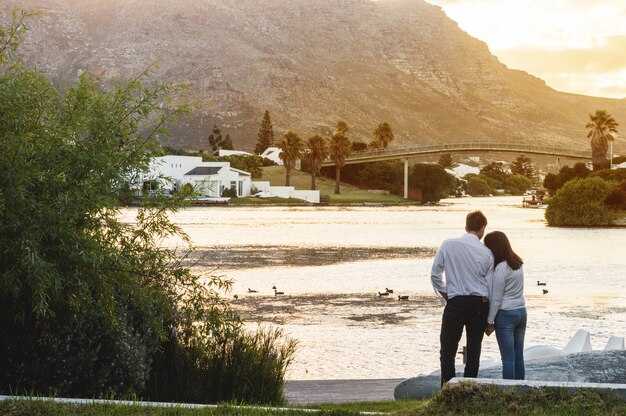
Start with a coastal loop from Wilmington to the Outer Banks, an easy, round trip you can tackle over a long weekend. It serves movie fans and beach lovers alike, balancing iconic locations with quick shore breaks along the coastal carolinas.
In Wilmington, you trace original film footprints: Wrightsville Beach’s Notebook scenes, the One Tree Hill riverfront and downtown filming lanes, and shows that still draw crowds on memorable days from the past.
Make a rest stop at a local tavern, order a shared pizza, and watch kites drift over the water; Carolina Beach and Kure Beach offer gorgeous light at sunset, plus boardwalks perfect for a short stroll before the next stop.
The upper coast along NC Highway 12 delivers hours of scenery and film-flavored moments; plan a round outer Banks detour to Cape Lookout and Bodie Island, then swing back through Morehead City for seafood stands and a few optional side trips that deepen your route.
For travelers who prefer speed, a plane hop to ILM from a major hub can cut drive time and free space for more stops in Beaufort, Emerald Isle, or Ocracoke; in fall the air cools and the harbor quiets, and the various towns offer memorable scenes and easy access to beaches and harbor fronts.
Finish with a last stop at a small-town harbor and a local pizza shop to compare film moments with living surroundings; this loop becomes original, memorable, and happy enough to linger in conversation long after dusk, while the road keeps showing you the coast you love.
Day Seven: Northern Outer Banks to Norfolk, VA – Film Locations & Scenic Drive
Kick off at chicamacomico, the historic lifesaving station at Rodanthe, where a living collection of shipwrecks and centuries of service anchors the morning. From here, the route leads you north along the coast toward Corolla, with roads hugging shoals and marshes that feel peaceful and unhurried.
In Corolla, wander the street-front galleries and pick favorites for a quick photo break. Midday light hits the dunes perfectly, and a stroll along the harbor street makes for easy, relaxed backdrops across areas with different textures. If you want a longer day, consider a detour toward Wrightsville and even Kill Devil Hills, then extend to Ocracoke for a further coastal texture.
As you cross toward virginia, the scenery shifts to marsh and salt shoals; theres a calm mood that contrasts with the busier stretches of the coast. heres a tip from Merv at the Corolla visitor center: check the dates and ferry times if you consider an ocracoke detour; you can still keep a steady pace and capture quiet street scenes without rush.
End in Norfolk with a peaceful waterfront stroll, where ships glide by and the skyline makes a clean, live backdrop for a final shot. Weather shifts require flexibility, so plan for a practical midday break and a final stop that gathers your collection of memories into a neat, virginia finale.
| Stop | Film Vibe / Sights | Distance (mi) | Notes |
|---|---|---|---|
| Chicamacomico Lifesaving Station – Rodanthe | Historic maritime backdrop; shipwrecks, open-air exhibits | 0 | Open daily; check hours; start early |
| Corolla Village & Currituck Outer Banks | Coastal street scenes, dunes, wildlife signs | 40 | Theres a short loop to the lighthouse; parking can be tight on weekends |
| Wrightsville Beach (optional detour) | Classic Carolina beach lanes; boardwalk vibes | 120 | Plan for extra time; bring water |
| Ocracoke Ferry Stop (optional) | Harbor charm, quieter back streets | – | Check dates and ferry times; weather can slow you |
| Norfolk, VA Waterfront | Contemporary city edges; Nauticus, ships | 160 | End with a peaceful stroll; parking near waterfront |
Chronological Route Map: Corolla to Norfolk with stop-by-stop film sites
Begin in Corolla at Whalehead Club to ground your route in wooden architecture and coastal light. You’ll pass through a dozen film-friendly stops, each offering a cross between landscape and story, with blue water, sandbars, and street scenes that make for great notes in your notebook. Ready to roll and while you drive, keep these lessons in mind: these landscapes can become scenes, these streets can become corridors of memory, and these coastal towns can feel like a full outdoor studio.
-
Corolla – Start where the wooden mansions overlook the sound and sandbars. The architecture here speaks to decades of seaside life, and the light on the blue water makes every shot feel ready for a film still. Use the time to jot quick ideas in your notebook about framing and mood, because these early moments set the tone for the making of your coastal story.
-
Duck & Currituck Sound bridge – Cross the bridge over the sound and plan an optional detour toward Currituck Beach Lighthouse for a long, coastal skyline shot. The cross of land and water here lends itself to reflective, slower scenes; shoot from elevated lanes and remember that the breeze often carries a dozen kite-tail memories from nearby beachgoers.
-
Kitty Hawk – Head into the village where the kite idea took flight. In these calm streets, you’ll feel the heartbeat of early aviation, perfect for a sequence that pairs childlike wonder with open sky. Bring the camera down to eye level and let the blue expanse fill the frame; you’ll find ready angles along the waterfront street and the harbor where boats drift, creating a natural montage for films about curiosity and crossing boundaries.
-
Manteo (roanoke island) – Stop at chicamacomico and stroll the colorful streets and harbor views. The Life-Saving Station site adds a layer of historical texture, suited to a story about resilience and community. These buildings carry the weight of time and the salt-hardened beauty that film crews chase for authentic texture.
-
Ocracoke – The southern gateway offers a distinct feel in which the town’s history and current life mingle. The word ocracoke evokes a quiet, washed coastline where a few dozen scenes could unfold–lives quietly intersecting and telling a coastal tale. Bring along a notebook to capture the moods you’d stage as a short film or tabletop storyboard, especially the way wind and tide shape character arcs over time.
-
Cedar Island / Swan Quarter ferry crossing – Cross to the mainland and trade island silhouettes for mainland horizons. The crossing itself becomes a liminal space, a moment to switch pace and begin a new chapter of your route. This stop offers a full-circle view of the coast’s sensibility, ideal for a montage that returns you to a grounded, “within the frame” feeling.
-
Morehead City – The city stops the coast from feeling endless and adds street-scale texture. Here you’ll capture textured storefronts, harbor docks, and the harbor blue that anchors many coastal scenes. Making notes about tone, color, and rhythm helps you plan a sequence that’s both healthy and cinematic, ready to be woven into a larger coastal tapestry.
-
Beauforts (Beaufort area) – Explore the waterfront districts where history and architecture meet the water. The streets and old wharves offer a treasure of angles for a coastal story, from quiet alleys to bustling waterfronts. This stop invites a few dozen observations on how location choices shape character and mood in films about small-city life by the sea.
-
Cape Lookout – Stand at the cape and watch the sea carve light on sandbars, dunes, and water. The cape’s edge provides dramatic silhouettes for scenes about boundary, survival, and the idea of a frontier in a coastal setting. Let the wind pull the frame into a full, contemplative moment you could drop into a film’s opening or closing beat.
-
Wilmington area (notebook-ready film hub) – The region’s streets and riverfront are a natural workshop for filmmakers. Films shot here include well-known titles that celebrated coastal life and romance, giving you tangible references for how to pace dialogue and action in outdoor scenes. Consider staying at a hilton property nearby to recharge and plan a few on-site shoots or long-exposure skyline shots along the river.
-
Norfolk – Final leg into the city that blends sea-town memory with modern energy. The coastal cityscape offers an ideal backdrop for wrap-up scenes, where the journey’s lessons coalesce into a clear, hopeful ending. The route through these places not only crosses into a Virginia city but also weaves a story about making, crossing, and continuing the voyage beyond the sea into urban lights.
Parking, access, and timing at key Outer Banks locations
Arrive before 9:00 AM to secure parking and minimize delays at the major Outer Banks sites. Do quick research on official hours and gate closures before you go, then download maps to plan the best routes for the morning light.
Bodie Island Lighthouse: Park in the lot off NC‑12 beside the barrier dunes and access the site by a short walk onto the boardwalk. The lot fills quickly in august, so aim for an early stop and keep your eye on private signs that mark restricted areas. The visitor center offers interpretation material and a timed pass if you plan to climb; bring water and comfortable shoes for the upper deck, which rewards your effort with pretty views over cream sands and marshes.
Cape Hatteras Lighthouse: Use the designated day-use area near Buxton; signs and maps guide you from the highway to the front approach. Parking is typically available until late morning, after which crowds push overflow cars toward secondary lots. If you want the best light on the tower, time your arrival for morning or early afternoon, then head to the interpretation center to broaden the context of the films shot here and onto the long dune system beyond the front row of dunes.
Jennette’s Pier: The on-site lot handles most traffic, with a small fee posted at the gate. Arrive early, especially on weekends, to avoid the slow crawl of traffic along the access road. The pier offers several stops for photos, and the long, straight sightlines invite film-inspired shots. If you’re bringing kids or gear, plan for a longer stop and note the boundary between public access and private property along the adjacent marsh.
Currituck Beach Lighthouse (Corolla): Parking is located near the Corolla lighthouse entrance, with a short walk onto the beach path. In spring and summer, spaces can fill by late morning, so start your loop with Currituck first. The upper gallery provides panoramic views, and the front approach makes for a classic shot. Use maps to confirm the closest lot and check for any private easements that limit access to certain dunes or overlooks.
Wright Brothers National Memorial (Kill Devil Hills): Park in the large lot at the base of the memorial. The interpretation center sits near the front entrance, and the plane exhibit is visible from the main path. Morning hours yield the most dramatic low-angle light on the monument and offer multiple photo stops along the front lawn. If you’re visiting in spring, expect lighter crowds; in august, plan extra time for parking and security checks as crowds increase.
Ocracoke Island access: To reach the village, take the Hatteras ferry from Swan Quarter or buy-in from a private operator depending on your schedule. Park once you’re on the island, then plan your stops around the limited on‑street parking and small public lots. For any seawater activity, wading can be tempting at low tide, but watch for private property boundaries near the harbor and along the waterfront. Morning light is ideal for quiet street scenes and slow, cinematic moments, including classic kiss-cam shots on the harborfront.
Best vantage points and shot angles for iconic coastal scenes
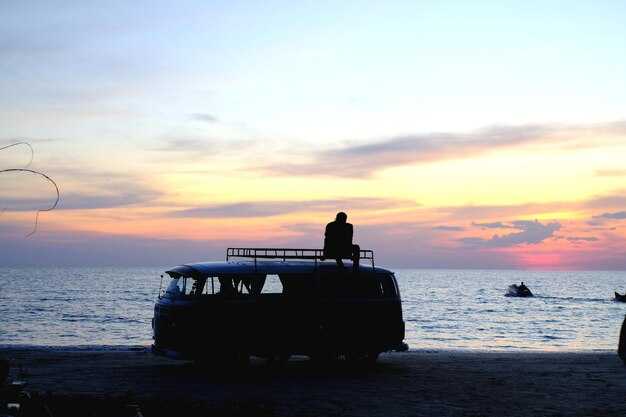
Begin at Cape Lookout Lighthouse from the lower deck of a nearby pier; shoot with a wide lens to capture the tower, piers, and open sea across days with clear light for bold colors at midday. For an original angle, frame the lighthouse with a foreground of pilings and a ripple of water to emphasize depth.
At Bodie Island Lighthouse, use three go-to angles: (1) a low waterline shot where spray meets a bright sky; (2) a dune-top vantage for a panoramic sweep of the coast; (3) a close-up from a small boat to emphasize texture on pilings and the rust of rails; each angle helps the scene glow with magic and centuries of history. where light shifts, this trio yields consistently lauded results.
In Wilmington’s riverfront towns, such as Southport and Wrightsville Beach, stand on the wooden piers at low angles where the water glides under a passing boat; switch to a higher perch on the dunes to harvest a sweeping view that includes a line of masts, a lighthouse shadow, and the long waterline. On a calm afternoon, three girls strolling the beach can provide a human-scale counterpoint.
Set exposure rates to f/8–f/11 with ISO 100–200; use 1/200–1/1000 sec for crisp wave action, or 1/60–1/125 sec when surfaces are calm and you want texture in sand and pilings. Make the call on whether you want dramatic sky or clean water, and adjust white balance toward cooler tones for sea foam or warmer hues for sunsets.
Plan shoots across seasons: fall days with amber light; spring winds yield haze over the water; beauty reveals itself in the falling light under a three-quarter sun; avoid the glare of midday by waiting for softer skies; pack snacks for long afternoons; if you route north toward durham, the university campus offers calm backdrops between scenes and gives you a ready-made break to save energy for the next coast sweep. Thanks for reading.
Food stops and rest breaks near each spot
Grab a café latte at Rodanthe beachfront cafe after filming on the dunes; the daily specials make you energized for the next scenic stretch. The wooden deck, a yellow awning, and the salty air make a perfect setup to recharge before wandering toward the ya-ya surf routes. If you’re looking at the coast for three miles, this stop helps pace your day and sets you up for a brief viewing break.
Buxton / Cape Hatteras point Pull into a high-visibility cafe near the Cape Hatteras Lighthouse for a quick bite. A four-mile loop along the shore begs for crab cakes or a light fish sandwich, followed by iced tea on a sun-warmed bench. The sea breeze invites you to stay a moment, watch the surfers, and keep walking without burning out. What you see on the water adds to the mood, and you might catch a wave with a fellow traveler almost falling. источник notes this is a reliable rest before the next leg on the route.
Manteo and Roanoke Island Aquarium After the drive, head to the Roanoke Island Aquarium for a natural pause and a chance to reset. Inside, you’ll find shaded viewing halls where you’re seeing tanks, turtles, and colorful fish while you sip a quick snack. A wooden counter and calm music make a longer stop feel pleasant, especially if you want to stretch your legs with a short walking tour around the exhibits.
Wilmington riverfront or Beaufort area If you’re chasing film locations southward, the riverfront in Wilmington or the Beaufort waterfront offers spots with hearty bowls and sandwiches. Look for a yellow storefront, order a hearty meal, and enjoy the view while you rest your eyes on the water for a few minutes. Walking the boardwalk for a bit lets you talk with fellow cinephiles sharing quotes from famous scenes; this pause helps you reset before the next drive. If you plan to push into Virginia, this stop still pays off. If you couldnt fit everything today, take a longer walk along the pier for a quick cooldown.
Time budgeting: driving legs, buffers, and weather contingency
Plan two driving legs for your NC coast getaway: Wrightsville to Beaufort along nc-12, then back toward Wrightsville by a byway. Keep a 25-minute buffer between legs and 40 minutes for weather contingency to stay flexible when skies shift; if you need a pause, you can take a brief detour.
Leg one centers on Wrightsville to Beaufort, with stops at locations where you can grab snacks and a cream treat. Look for Victorian storefronts along the waterfront and choose a byway detour to keep you gliding through the area without rushing. In Beaufort, explore shops, sample dates from a market, and savor a flavorful bite before you head back.
Leg two returns Beaufort to Wrightsville along nc-12 and a few shorter byways, with a fuel stop at a station and another chance for a quick scoop or cup. If weather shifts, switch to an interpretation of the region’s history indoors–perhaps at a university museum or campus area–then resume the drive when skies clear. This tweak keeps your lower body comfortable and preserves the moments you want to savor, including a kiss of sea breeze at the end.
Tips for timing and flavor: assign minutes to each stop and keep dates flexible in case a shop or museum invites a longer look. Bring snacks and a cooler with cream-based treats to stay refreshed. If rain taps the windshield, switch to a byway that offers sheltered seating; maybe you’ll discover a new destination along the coast. The route through Wrightsville, Beaufort, and the area around nc-12 has decades of charm to savor, so pace yourself and enjoy much of the coast and its locations.