


 English (UK)
  Русский
  বাংলা
বাংলা  العربية
  日本語
日本語  한국어
한국어  Magyar
  Norsk nynorsk
  Türkçe
  עִבְרִית
  Español
  Čeština
  Svenska
  Português
  Ελληνικά
  Suomi
Suomi  Nederlands
  Română
  Italiano
  Français
  Polski
  Українська
  Deutsch
  简体中文
简体中文  Slovenčina
  Српски језик
  اردو
اردو  Azərbaycan dili
  O‘zbekcha
  አማርኛ
አማርኛ 
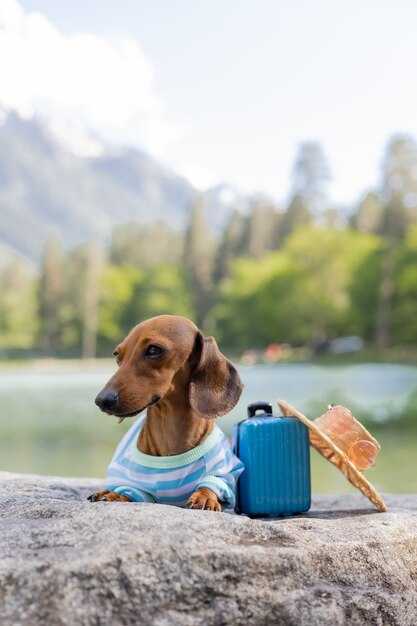
Here is a concrete recommendation: before you book flights, talk to the airline about pet policies, carrier size, and where your dog will ride. Ask which services are allowed in cabin, what fees apply, and whether you need a veterinary certificate. Keep a copy of the confirmation and the travel dates in your phone for quick access.
Pack a prepared set of essentials in dedicated bags for the trip, including a compact first-aid kit, poop bags, a leash, a collapsible bowl, and a favorite toy. Use a range of snacks and any required medications as advised by your vet, and keep the bag within easy reach at every step of the trip.
When you plan the stay, choose hotel options that accept dogs and confirm pet fees and room policies for the dates you need. Notify the hotel of your dog in advance, ask about elevator access, and request a quiet room away from elevators to reduce stress.
Before you go, arrange transport to the airport as a team: pack a carrier that fits the plane’s policy, keep your dog comfortable, and travel together, considering weather, layovers, and how your dog handles crowds. If you must check the pet in cargo, follow airline instructions to ensure proper ventilation and temperature control.
At the airport and on board, keep your dog secure in the approved carrier or harness, and talk with crew if you need a moment to settle them. Have water accessible, monitor for signs of distress, and be prepared to request a brief break in a safe area.
Here’s a simple post-arrival routine: schedule walks and meals in the local time, bring a copy of your dog’s medical records, and store the vet’s phone number in your phone for quick access here.
With these steps, you stay prepared, feel confident, and keep your dog comfortable during the trip away from home, whether you’re travelling by plane or car.
Dog Travel Guide: Practical Tips for Traveling with Your Dog
Book a direct airline flight to minimize stress for them. Verify pet policy, crate dimensions, and in-cabin rules; ensure a health certificate if required and carry vaccination records. Consult expert guidance if you have questions about the carrier or seating options. A happy, well-prepared dog travels easier, so start with steps that support feel and safety from the outset.
- Flight prep and documentation: After booking, download the airline’s pet policy and real-time confirmation; bring a sturdy, ventilated crate that fits under the seat if allowed; label the crate with your contact info and a photo of your dog; plan a last potty break before boarding; ensure the carrier allows airflow and visual contact with you when permitted.
- In-transit comfort: Use a familiar mat inside the carrier, keep a small toy, and offer water at layovers when permitted; during the flight, avoid feeding within a few hours of takeoff to prevent upset; position the carrier so they feel secure and can see you when allowed; stay calm yourself to model behavior; using a small GPS or tracking app can provide real-time reassurance for you both.
- Packing and safety tools: Assemble a first-aid kit with antiseptic wipes, bandages, and a digital thermometer; bring tick prevention products, medical records, and insurance information accessible; include a photo and microchip number for quick ID; these items cover unexpected hiccups and reduce stress at the point of need; that approach helps you stay prepared.
- Destination planning: Before arrival, study these parks and leash rules; check local veterinary clinics near your hotel and note their hours; ensure your lodging allows dogs and understand quiet times that affect comfort; map nearby parks with water sources and shaded routes to enjoy long walks.
- Contingency planning: Circumstances vary by climate and route, so plan for change and change gracefully; consider alternate routes, rest stops, or different hotels if needed; at this point, you may switch plans as needed; dont rely on a single plan and set a budget that you dont exceed.
- On-site health maintenance: Consider weather and crowds; maintain a consistent feeding and walking schedule; check for ticks after outdoor time; offer water regularly and avoid feeding new foods during travel to prevent stomach upset; monitor signs of heat stress and seek vet care if you notice anything unusual; using real-time weather updates helps you adjust plans and keep them happy.
- Post-travel follow-up: Keep the insurance card handy and know how to file a claim; capture new photos for records; schedule a check-up with your vet if appetite or activity shifts during the days after arrival; this helps you keep the best health profile for future travels.
8 Key Tips for Travelling with Your Dog; 2 What to Know About Pets Travelling Onboard
Get an airline-approved carrier and bring it along to the check-in; ensure it fits under the seat and is allowed in cabin. Pack other essentials like a familiar blanket and a leak-proof water bottle in the same bag.
Verify pet policies across codeshare flights because rules may differ between carriers. If your itinerary involves a codeshare, confirm with both airlines and keep a copy of their pet policies to avoid surprises at the gate. Unless your dog qualifies for cabin travel, you may need to arrange cargo.
Schedule a veterinary check well before travel. A veterinarian can issue a medical clearance if needed and provide a vaccination record; this keeps you in line with airline and country rules. Bring along a recent health certificate if required by destination or airline.
Plan feeding and water carefully. Do feeding lightly a few hours before departure, then offer water as you board. If you notice your dog is stressed, pause feeding and offer a familiar toy or blanket to comfort them; thoroughly check the crate or carrier before departure. Some dogs aren’t comfortable in cabin, so have a backup plan in case travel becomes stressful.
At security, expect a scanner and be ready to remove the carrier if required. Have a handler stand by with the dog and keep control of the leash. If your dog is service or potentially anxious, discuss options with the agent; however, avoid leaving the dog alone near the scanner.
Onboard, know what is allowed in cabin. Only a few dogs under the total weight tolerance can travel in cabin; if the combined weight of dog and carrier exceed the limit, you may need to switch to cargo or another option. Know the right size for your carrier and the airline’s rules. If you travel with a codeshare partner, confirm the pet policy across both airlines. Keep your head level and stay relaxed; this helps your dog stay calm while the plane is in flight. Bring a familiar toy, a small blanket, and some treats to help them feel secure; plus, check if your carrier has a breathable mesh panel.
During layovers, plan for a quick walk and a calm environment. Some airports have pet relief areas along the way; use them to help your dog stretch and burn energy. Remember to keep their leash and ID tags on and never leave them unattended near busy corridors.
After travel, monitor your dog for stress or signs of discomfort; contact your veterinarian if you see unusual behavior and schedule a post-travel check if needed. If issues arise, reach a local vets or a veterinarian clinic for guidance. Maintain after-travel care by keeping a routine, hydrating, and avoiding sudden changes in feeding or activity; bring medical records if you visit another vet after your trip.
Pre-trip Vet Visit and Documentation
Schedule a vet visit 2–4 weeks before your departure and request a health certificate if your destination requires it.
Ask the clinician to review vaccines, microchip status, flea and tick protection (seresto is a common option), and any chronic conditions that could affect travel. This review helps you head out with confidence.
Provide copies of records: vaccination dates, microchip number, and any ongoing medications. Save digital copies and print for easy access; include contact details for a local vet at your destination. Links to patient portals can simplify checks. Many clinics offer portable summaries you can print or store as a PDF.
Check with your airline and destination about required forms, and apply for any documents early to avoid processing delays or extra rates. Some rules arent negotiable. Ensure the pet name matches passports and that your contact details are current.
Prepare a travel kit and plan for every scenario: a calm space in the carrier, a familiar toy, water, and a small amount of food to prevent stomach upset. Post-flight care guidance helps; include steps for settling in after arrival. If you have a large dog, confirm carrier dimensions with the airline. If your dog eats differently during vacations, keep to a consistent routine; during transit, monitor appetite and digestion and avoid new foods right away.
For northern regions, weather adds stress; confirm that your dog’s vaccination window aligns with entry dates and pack a warm coat if needed. If you head to northern regions, pack extra warmth and prepare for longer acclimation. Identify a local vet near your vacation spot and store their contact details in an accessible place. All information should be ready for every step of the trip.
When you travel together, having solid pre-trip documentation and a clear plan reduces stress and helps you focus on the joys of your vacations with your dog. Remember to keep the medical contacts up to date.
Selecting a Carrier That Fits Regulations and Comfort Needs
Choose an airline-approved cabin carrier that fits under the seat and offers a breathable, comfortable interior.
- Size and fit
- Measure your dog from the nose to the base of the tail (length) and from the chest to the top of the head (height). For cabin travel, most airline rules specify a carrier around 17–18 inches long, 11 inches wide, and 9–10 inches high. If your dog is up to 20 pounds, soft-sided carriers often fit best; for bull breeds or chunkier dogs, prefer the larger end of the range and verify on the online policy pages for each airline and codeshare partner.
- The dog should stand, turn, and lie down with head clear of the top. Once you have the carrier, test it at home with your dog to ensure it’s comfortable and the dog can move inside without tight spots. Use a washable, non-slip liner so accidents stay contained and the interior stays comfortable during the flight.
- Materials and comfort
- Choose soft-sided carriers with durable fabric and flexible walls; they compress to fit tighter spaces, but maintain a sturdy base. Look for mesh panels for ventilation throughout and a leak-proof bottom tray. If you prefer a hard-sided option, ensure it has airline-approved dimensions and adequate ventilation.
- Pick a color that hides dirt; a brown exterior often shows less wear on busy travel days and helps you spot the crate quickly through security lines.
- Safety and security
- Secure the dog with a harness attached to a built-in leash clip inside the carrier. Do not rely on the collar alone. Lock zippers with a small padlock if permitted by the airline.
- Label the carrier with your contact information and a note of any medical needs or medications, so staff protect your dog in case of delays.
- Regulatory and codeshare considerations
- Confirm policies with both the primary airline and codeshare partners well before traveling dates. Some codeshare flights require the same carrier model or a different size limit, even on the same route. Have printed policy details handy online and on your phone in case of changes.
- During check-in, specify cabin travel for your dog and ask if the codeshare leg has the same under-seat clearance. If not, you may need to switch to a different crate size or rebook to match rules.
- When traveling, verify with both airlines and codeshare partners to prevent surprises during boarding, especially if the trip spans multiple carriers.
- Travel day tips
- Arrive early to allow time for security screening. Place treats inside the carrier to reward calm behavior after passing the checkpoint, and offer a small amount of water before boarding. Keep the carrier steady at all times to prevent wobbling that could startle your dog.
- Have a familiar blanket or toy inside; bring a disposable bag for quick cleanup after security or at layovers, and pack an extra spare leash in case the primary breaks.
- Remember to test the carrier before the trip and reward your dog after successful security checks to reinforce a happy association with flying.
- Documentation and insurance
- Carry vaccination dates and a copy of your pet insurance in both digital form online and a printed sheet. Include the policy number, emergency contact, and clinic address. This helps if you face delays or line holds between flights and protects you during unexpected events.
- Bring a recent photo of your dog in case you need to prove ownership or identify your pet during a layover in busy terminals.
- Special note for larger breeds
- For a bull or other larger breeds, a reinforced, rigid carrier with a secure base is often required. Ask the airline about weight limits and whether a larger carrier can still fit under the seat or if an approved in-cabin alternative exists.
- After travel
- Open the crate in a quiet area, let your dog stretch, and provide a calm treat routine to ease stress. Inspect the interior for any signs of rubbing or irritation and adjust future trips accordingly; monitor hydration and feed small meals if you have a long travel day.
Packing a Dedicated Travel Kit for Your Dog
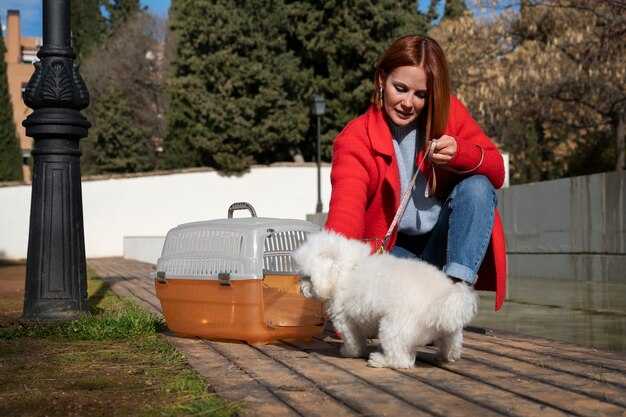
Pack a dedicated travel kit two weeks in advance and keep it in one sturdy bag so you can grab it quickly.
From certificates issued by your veterinarian, carry vaccination proofs, a current photo, and a contact card with your vet’s clinic and emergency numbers. Keep a digital backup on your phone.
Choose comfortable, weatherproof containers and organize items in clear pouches so you can find what you need in seconds.
The kit requires a travel-spill-proof water bowl, toilet pads or disposable bags, and a small supply of cleaning wipes for paws. Include a small grooming brush or wipes if your dog has sensitive skin.
Include a compact first-aid set, flea and tick preventative, a bottle of any prescribed meds, and a note from your veterinarian with dosing instructions, so you can handle minor issues without hunting for a pharmacy.
For safety, add a leash and collar with ID tags, and keep microchip records. If you board your dog at a kennel, share the kit and health docs with the staff, and join the staff on the contact list you carry.
Record your dog’s weight and daily food portions; pack items compactly to lighten the load. Label each item to identify its purpose, which helps quick checks and keeps both you and your dog calm.
Tips and reminders: check expiry dates, rotate items after each trip, and store the kit in a place you and your dog can reach easily, so you feel prepared for any situation.
| Item | Qty | Notes |
|---|---|---|
| Vaccination certificates (copies) | 2 | Printed and digital; issued by veterinarian |
| Vet contact card | 1 | Clinic address, phone, after-hours number |
| Prescribed medications | As needed | Keep in original packaging; note dosing |
| Preventatives (flea/tick, heartworm) | 1 set | Check expiry; store nearby |
| Toilet supplies (pads, bags, wipes) | 1 kit | Includes waste bags; keep dry |
| Collapsible water bowl | 1 | Rinse after use; dry before packing |
| Leash and ID collar | 1 each | Tags readable |
| First-aid basics | 1 compact kit | Gauze, antiseptic wipes, tape |
| Grooming items | Small pack | Wipes or brush; minimal bulk |
| Identification records (microchip) | 1 set | Ensure records are current |
Managing Food, Water, and Breaks During Transit
Provide fresh water every 2–3 hours and schedule 10-minute breaks for water and quiet time at each rest stop, ensuring the dog can head out, sniff around, and feel secure. Use a spill-proof bottle or a non-spill bowl to prevent leaks in a car or carrier. Best practice is to offer small portions rather than a heavy meal during transit and to feed the meal at least 2 hours before the next leg.
Keep a regular feeding pattern to reduce anxiety on the road. If travel spans mealtimes, carry dry food in a limited, leak-proof bag and have healthy treats ready for training rewards with them. If you can’t find the usual food, choose a familiar option and mix gradually to avoid stomach upset. Read product labels and rely on online resources issued by your veterinarian or travel authorities for dietary guidance; these sources often clarify what is allowed during dash trips, long hauls, or border crossings.
Choose a properly sized carrier for limited space; in the car, train, or plane, the dog should be able to head up, turn around, and lie down while staying secure. Place carriers where the surrounding temperature stays comfortable and airflow remains steady. If your dog is not used to a carrier, start with short training sessions and reward calm behavior so they feel steadier during the journey.
During stops, allow time for a bathroom break and a brief walk; keep them on a short leash until the area is quiet and safe. Monitor for signs of anxiety such as panting or restlessness, and respond with a calm voice, gentle petting, and a familiar blanket or toy to help them settle. If the surrounding area is loud, create a small, protected zone inside the car or carrier and head back to the vehicle for the next leg when needed.
Ensure identification is robust: microchip your dog and verify the microchip details are up to date so a reader can identify them quickly. Include a durable tag with your current number and destination; carry a health certificate issued by a veterinarian, and, if Canada is on the route, bring vaccination records and any required permits. Heartworm prevention should be current, and you should be able to read the medication instructions easily. Keep a copy of essential info online or in a ready-to-access file in case you need it at the final moment on the road.
Final checks before heading out: confirm the pack contains fresh water, a small, portioned food supply, a microchipped dog who is microchipped, and a calm, familiar item to reduce anxiety. A well-planned approach allows them to move comfortably through each heading of the trip, making the next leg feel simpler for them and you.
Understanding Pet Rules for Airlines, Trains, and Vehicles
Verify pet rules with the airline, train operator, and local authorities before booking, and register your dog in advance to secure a space and avoid check-in delays. This keeps you on the right track, and equally important is to read the baggage and pet rules for both cabin and cargo options, as policies vary by route.
Prepare the right documents and gear: microchip on file, vaccination records if required, and a carrier that matches the destination’s rules, using the carrier’s size guidelines. Certain destinations or carriers may require an earlier health check or health certificate.
Pack a travel setup to protect the stomach and comfort: a clean bowl for water, your dog’s favourite toy, and a designated place inside the cabin or vehicle. For meals, offer smaller portions earlier to ease digestion. This arrangement makes it likely you’ll have a calmer trip.
After you arrive, check rules at the destination for parks, hotels, and rental vehicles. The brochure provides clear guidelines for pet policies, and some hotels offer pet-friendly rooms near welcoming areas. Across carriers and services, plans differ, however you can have a smoother trip by noting the maximum carrier size allowed in cabin, using advance check-in, and consider other rules before you travel. Consider weather, time zones, and destination-specific policies.