


 English (UK)
  Русский
  বাংলা
বাংলা  العربية
  日本語
日本語  한국어
한국어  Magyar
  Norsk nynorsk
  Türkçe
  עִבְרִית
  Español
  Čeština
  Svenska
  Português
  Ελληνικά
  Suomi
Suomi  Nederlands
  Română
  Italiano
  Français
  Polski
  Українська
  Deutsch
  简体中文
简体中文  Slovenčina
  Српски језик
  اردو
اردو  Azərbaycan dili
  O‘zbekcha
  አማርኛ
አማርኛ 

Plan your Gran Canaria escape now and youll uncover a balance of sun, sand, and rugged highlands that keeps every traveler engaged.
With a coastline roughly 236 km long, Gran Canaria offers lots of wonders from sun-warmed beaches to dramatic volcanic scenery, all accessible in a single island.
Active days await in the volcano landscapes where the Caldera de Bandama crater sits beside Roque Nublo, and routes range from easy coastal strolls to panoramic climbs for active travelers.
For families, safe coves and shallow waters create experiences your children will remember, from dolphin-watching cruises to gentle hikes along palm-fringed paths.
Indigenous culinary influences show up in tapas markets and home cooking: papas arrugadas, boiled in salt and served with mojo, with a garnish of laurel.
Across the island, locals share stories, crafts, and food in a warm network; africa is near, echoing in spices, citrus, and shared sunsets along the coast.
The light here is bright and forgiving, making major outdoor mornings feasible and evenings perfect for strolling the historic districts of Las Palmas or the dunes along the coast.
Plan a sensible mix of resting days and active explorations, and youll return with lots of memories of sun, sea, and real Canarian hospitality.
Gran Canaria Travel Guide
Begin your Gran Canaria trip along the northern coast to chase vistas and a cooler breeze; this route reveals a range of scenery from green ravines to dramatic sea cliffs.
Hiking option: Barranco de los Hierros offers a 3-4 hour circuit with rock walls, switchbacks and canyon views; bring water and sturdy shoes.
Caldera de Bandama: a 1.6 km loop around the rim, plus a short descent to the crater floor; the site preserves volcanic history and provides a balcony cafe at the top.
Culinary stop: in the canarian towns, visit a local restaurant to taste papas arrugadas with mojo and fresh fish; pair with a local wine.
Tours and activities: book tours that cover coastal towns, inland villages, and the canarian history; traveling with everyone, you can choose a relaxed coastal loop or a full mountain course.
Spending tips: buy a 3-4 day public transport pass to cut costs; stay in a central location such as Las Palmas for easy access to the northern highlights; during peak season early bookings help; bring a lightweight jacket for higher elevations.
Seasonal advice: the ideal months for hiking are spring and autumn; plan during midday heat and bring sun protection; respect signs and protected areas.
Your canaria trip blends nature, history, and canarian culture; for a closer look at the island, consider a multi-day plan that combines northern trails, a volcanic history site, and a day on the south beach.
If you crave hawaii vibes, Gran Canaria still welcomes travelers with warm canarian hospitality, a mix of beach and highland hiking, and more reasons for traveling and relaxing by the sea.
Beaches for Every Mood: Golden Sands, Calm Lagoons, and Hidden Coves
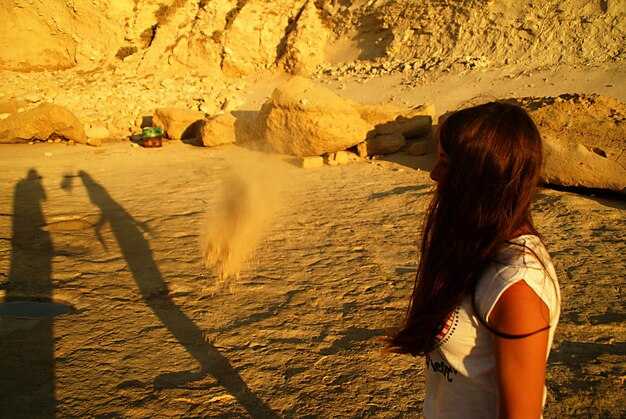
Start with Amadores Beach for a calm lagoon-like start to your Gran Canaria visit; this sheltered cove stays shallow, with a wide, lovely stretch of sand that suits traveling families and those seeking a gentle first-day experience, which makes it ideal.
Golden sands blanket the main Canaries coast at Maspalomas and Las Canteras, where crystal water meets an inviting promenade and a range of attractions, which keeps every day varied in this area and can make unforgettable moments.
Rentals for kayak, stand-up boards, and windsurf gear line the shore, while Pozo Izquierdo hosts a legendary windsurf scene that rivals Hawaii in energy. The coast road is popular with cyclists, and a ride along the wide curves gives you sweeping views of dunes, forest, and cliffside towns.
A trail through a pine forest climbs to Güi-Güi, hidden coves accessible by hiking or a boat transfer. For those who prefer a lighter effort, a kayak from the harbor opens up tranquil inlets and olive groves along sheltered bays–a lovely contrast to the open Atlantic.
Costs vary by season and rental type, but euro prices stay transparent at beach kiosks, and you’ll taste simple, fresh attractions–smoked olives and local fruit stalls offering snacks, with tapas that nod to spanish flavors.
This variety spans parts of the coast–from busy resort strips to tucked coves–delivering experiences for hiking, kayak rides, and long, scenic rides along the road.
Active Escapes: Hiking, Dunes, and Water Sports
Start your first vacation with a dawn hike in Tamadaba Natural Park, then head to the Maspalomas dunes for warm light, wind, and endless views. This plan stays on many roads while revealing far-flung coastal coves you’ll remember long after the trip ends, and it helps manage spending by pairing activities in a single day.
The Tamadaba trails loop through indigenous forests of pines and flowering shrubs, with Lanzarote visible on clear mornings. Park staff share details in spanish and English; bring water and a light jacket for the ridges, and note that the routes are well marked and considered suitable for a range of fitness levels.
The canary winds keep days comfortable as you explore the coast and forests. On the dunes, head along a boardwalk that leads to the sea-kayaking start points. The winds shape the sand and the horizon, and a short traverse over dunes rewards you with views of the rich coast. For families with children, pick a gentle loop near the road and plan a break on the grass where locals grow olives and produce fresh crops in season.
Sea-kayaking opens a new angle on Gran Canaria’s coast. Book a two- to four-hour trip in sheltered bays near Agaete or Puerto de Mogán, with a guide who handles equipment and safety. The paddle feels calm for beginners and offers a chance to glimpse dolphins. In the evenings, the seaside towns reveal the wonders of the coast with live music and Spanish snacks to finish the day.
| Activity | Location | Duration | Difficulty | Best Time | Notes |
|---|---|---|---|---|---|
| Hiking Tamadaba trails | northwest highlands | 3–4 h | Moderate | Early morning | Indigenous pines; Lanzarote visible on clear days; wear sturdy shoes |
| Maspalomas Dunes walk | south coast | 1–2 h | Easy–Moderate | Sunrise or late afternoon | Windy; boardwalk access; watch for parking |
| Sea-kayaking trip | Agaete / Mogán coast | 2–3 h | Beginner-friendly | Spring–Autumn | Life jackets included; dolphins possible; finish with local olives and snacks |
Culture, Food, and Local Flavors to Try
Start your day in Vegueta, the city’s historic center; theres a museum cluster that reveals Canarian history within a compact stroll. Cobbled lanes lead to shaded plazas, where local art shops touch tapas bars, and daily life makes culture feel immediate. Think of the neighborhood as a living museum, with architectural details that tell stories at every corner; theres also a quiet courtyard cafe inviting a pause.
For flavors, head to Mercado de Vegueta or a neighborhood tavern to try papas arrugadas with mojo rojo, gofio, and bienmesabe. The stalls fill the air with citrus, roasted pepper, and honey notes, a natural palate you’ll remember. For a secluded paradise, request a goat cheese with local honey and a slice of fresh bread, then pair it with a glass of Malvasía or a small batch rancio to finish. There is plenty to explore beyond the first bite.
Beyond the city, forests and a Bandama volcano site offer a different flavor of Gran Canaria. theres a caldera that makes a dramatic backdrop for hikes along a network of routes; some paths are tucked into pine forests and quiet villages. Visitors can trek short loops, rest at a park, then sample local coffee and cheese at a hillside cafe. There are also small museums and crafts studios where visitors meet artisans and pick up handmade keepsakes.
To maximize culture, plan a group route that blends urban sites with natural stops. Think about starting early in the city to avoid crowds, then move to a park or tucked hillside cafe for a relaxed break, drinking local coffee or a cool agua fresca. If you want deeper flavor, ask locals for routes beyond the standard highlights; there are many tucked courtyards, family-run bodegas, and markets filled with regional crafts. There is more to Gran Canaria than sun and sand for visitors who consider the island a living classroom.
Family-Friendly Picks: Parks, Wildlife, and Safe Excursions
Choose Palmitos Park on the west coast for a gentle wildlife intro, shaded paths, a covered butterfly habitat, and dramatic bird shows. A short ride on a family train weaves through the site, with plenty of chances to pause for snacks and rest.
Then head to Maspalomas for a low-key coastal experience. The dunes area offers safe, stroller-friendly routes and vistas of the sea, plus a visit to the iconic lighthouse site. A light coastal ride on a tourist train lets kids spot birds and palm groves along the promenade.
- Palmitos Park (west Gran Canaria): a compact wildlife park with aviaries, reptile exhibits, and a daily bird show; budget 2–3 hours; arrive mid-morning for the best light.
- Maspalomas Dunes and Lighthouse: gentle strolls, shaded benches, sea vistas, and kid-friendly snack stalls; use the parking area near the dunes for easier access.
- Bandama Caldera and Roque Nublo: short, safe paths with elevated viewpoints; plan 1–2 hours at each site, with a rest at a lookout cafe for little explorers.
- Aqualand Maspalomas and other family water options: pick a midweek visit to enjoy shaded terraces, kid-friendly pools, and water play; verify height requirements and opening days.
- Day trip to Lanzarote by ferry: for a longer island experience, take the morning crossing and spend a half-day visiting Timanfaya and Jameos del Agua; return by evening ferry.
From London to Las Palmas, families appreciate the variety of sites and the easy pace. This mix suits little explorers who crave variety and safe, well-supported experiences while staying close to the coast.
Practical Travel Tips: Getting There, Getting Around, and Budgeting
Rent a compact rental car for the first three days to cover diverse terrain and access cave sites.
Getting there: Gran Canaria is served by Gran Canaria Airport (LPA) with direct flights from Madrid, Barcelona, London, and other European hubs. Typical durations: about 2.5–3 hours from Madrid; 2–3 hours from the UK; 3–4 hours from northern Europe. Ferries connect Gran Canaria with nearby islands; if you plan a multi-island break, include fuerteventuras in your route. For a touch of history, columbus is said to have encountered favorable winds here. Book early for summer holidays to secure better seats and lower fares, especially from June to August.
Getting around: Use a rental car to reach remote coves and cave sites, backed by a solid road network and clear signs. The bus network connects Las Palmas, Maspalomas, Arucas, and Teror, with affordable tickets and regular service. For city days, combine bus travel with short rides by bike or taxi; motorcyclists will enjoy winding coastal and highland roads. Many sights are accessible by car or public transport, allowing visitors to plan relaxed days away from crowds. Always carry a copy of your license and proof of insurance, and check parking limits in resort areas to avoid fines.
Budgeting: Choose a pace that fits your holidays and opt for accommodations with kitchen access in value stays. In summer, prices rise, so book 6–8 weeks ahead. A typical daily spend for mid-range travel includes €60–€120 for lodging, €15–€25 per person for meals, and €5–€15 for intra-island transport. A week-long rental car runs about €250–€350 depending on season and vehicle, plus fuel around €1.6–€1.8 per liter. Museums and architecture stops cost €6–€15 per site. Stock up on groceries at local markets to save, while still enjoying fresh scenery and tapas. Plan a route that covers a cave, a museum, and a coastal town to satisfy both visitors and tourists alike. Always keep digital copies of important documents and travel insurance details.