


 English (UK)
  Русский
  বাংলা
বাংলা  العربية
  日本語
日本語  한국어
한국어  Magyar
  Norsk nynorsk
  Türkçe
  עִבְרִית
  Español
  Čeština
  Svenska
  Português
  Ελληνικά
  Suomi
Suomi  Nederlands
  Română
  Italiano
  Français
  Polski
  Українська
  Deutsch
  简体中文
简体中文  Slovenčina
  Српски језик
  اردو
اردو  Azərbaycan dili
  O‘zbekcha
  አማርኛ
አማርኛ 
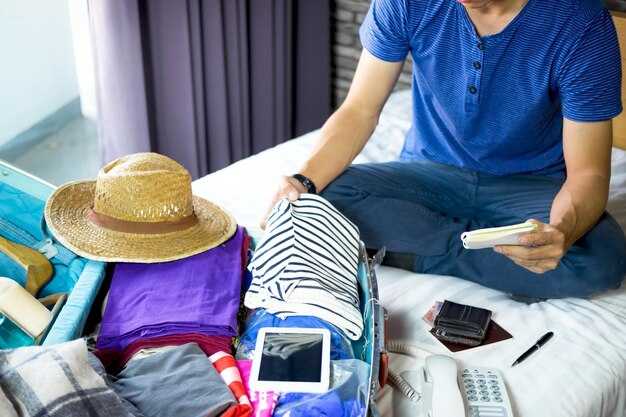
Start with a single destination for your first solo trip and lock in a specific daily budget. This approach keeps funds predictable and helps you say yes to the right experiences without overspending. Pack light in a backpack and leave the suitcase behind to stay nimble on crowded street corners.
Plan a magical bucketlist of activities in that city and choose exactly six to eight core experiences. Map the exactly times and routes, so you stay in safe areas and avoid wasted hours. Build an editorial note for yourself: focus on something tangible you can cross off that day.
Book accommodations within a reasonable radius; aim for guesthouses or small hotels with solid reviews. Choose outside the busiest tourist belts when possible to save money and enjoy local flavor. If you stay in a property with a helpful staff member, ask for three local recommendations for eating, transit, and a cultural spot you may not find in a guide.
Travel light and capture memories with a compact tripod for steady street photos. Carry a small daypack, and limit yourself to a minimal setup so you aren’t weighed down by gear. Keep funds secure by splitting cash and cards; use a money belt. Share your plan with a trusted member of your circle at home.
Practical Lessons I Wish I’d Known Before My First Solo Trip
Charge your phone fully and carry a compact power bank. They’ll rely on it all day; google offline maps or saved city guides in advance and keep them accessible. When you land, set a simple data plan or use a local SIM to avoid roaming fees, and choose a backup option like a free Wi‑Fi hotspot in your hotel lobby. That prep gives you a huge boost in confidence.
Book accommodations with flexible cancellation terms and a room that feels safe and accessible. Research your region’s safety basics, and identify a reliable partner such as a hostel desk, hotel staff, or a local guide who can assist after dark. Learn a few climate notes: temperature can swing, so pack layers and a compact rain jacket. Map a specific safe route from your street to the hotel entrance and share that plan with a friend. For any ride, confirm the order in the app and check the vehicle’s details before you get in.
Give yourself time for orientation on the first day; arriving an hour earlier helps you determine keys, locate your room, and test transit options. If youre unsure about a route, pause and ask a local or staff. Allow longer buffers in the evening for fatigue or late buses. Keep a simple plan and add a couple of backup options in case your main choice fills up. Adjust your packing based on what you learn, keeping things compact and easy to carry.
Keep a simple log of time, money, and what you did each day. Note the addition to your routine and the points where you saved. Review analytics from your daily spend to keep the budget aligned. If something feels off, travelers you meet may share a tip; use it as an excuse to pause and replan rather than push through.
Budgeting and Money Management: set a daily limit and track every expense

Set a daily limit equal to your total trip budget divided by days, add a 5–10% cushion, and log every expense from the first spend to the last. This keeps you focused while solo, travelling, or visiting with friendsfamily, and it lets you enjoy a sunset dinner without worrying about funds.
- Calculate the daily cap with a concrete example: for a 10‑day trip with a $1,200 budget, target around $120 per day. If you expect higher costs in cities, add a 20% cushion and adjust after the first city.
- Track every expense immediately: after each purchase, fill in date, amount, currency, category, and a short note. Keep receipts or attach photos to the entry. Use a simple template in a notebook or a shared sheet that you can open from your hotel or hostel.
- Use clear categories: hotels, meals, transport, activities, shopping, tips, and other. This makes it easy to spot where money leaks and where you can trim without sacrificing the trip’s rhythm.
- Balance cash and card: carry a small cash allotment for street food and transit, while placing bigger payments on a card. Withdraw once per day if needed and log the amount in your tracker to prevent drift.
- End‑of‑day review: spend a few minutes reviewing yesterday’s spending, compare with your daily cap, and adjust tomorrow’s limit accordingly. This practice builds a calm routine and reduces stress during busy days in the city.
- Lessons and sharing: note what worked and what didn’t, then copy those insights into the next day’s plan. If you travel with visitors, discuss the plan with friendsfamily and ask for consent to share the tracker via email or a quick message so everyone stays aligned.
- Practical tips for better control: plan ahead for hotels by booking with a max nightly rate in your budget, pre‑check transit costs, and avoid impulse buys near tourist spots that can burn through your daily limit. Keep a rough allowance for emergencies and currency quirks when visiting places like canada or other currencies.
Finally, keep the process open and simple: a small, consistent log is more valuable than a heavy system. A neat record helps you answer questions from tourists and visitors about how you managed money on a solo trip, and it builds a reliable habit you can carry into your next journey.
Safety Preparations: research the destination, share your itinerary, and know local emergency numbers
Start with a destination safety check: review official advisories, hotel safety notes only, and a reliable guide for travelers. These checks done earlier help you gauge temperature and crowd levels, identify safe routes, and work out transport plans for tourists. Record key numbers and addresses to visit, and keep them in your budget plan and backup notes.
Share your itinerary with your partner, a couple, or a family member. Include flight numbers, hotel name and address, and a day-by-day plan. Having this information in a blog post, private note, or newsletter keeps anyone you trust in the loop and ready to help if a delay occurs. If you travel solo, frame the plan clearly so your support network can check in while you’re out, being prepared to deal with changes and recover quickly.
Know local emergency numbers for the destination: police, fire, and medical services, plus any tourist helpline. Save them in your phone and print a card for your wallet or suitcase. Practice calling procedures to stay calm and recover quickly if a scary moment occurs, and follow local guidance to stay safe.
Agree with your travel partner on daily safety checks: decide on meeting points, hotel pickup rules, and a contingency budget for surprises. Use a credit card for major purchases and keep a backup in a separate place. Carry a compact, lockable suitcase and a small personal safety item to deter theft; having these tools lowers risk when moving between venues and helps you combat theft. That plan gives everyone a great sense of control, including family members who are following your trip.
Lesson from this trip: check the climate and local etiquette before you head out so you can dress appropriately and avoid drawing unwanted attention. Start with clearly mapped routes and stay in areas with working maps and visible signage, keeping your looks simple to blend in. Track what works and what didnt with analytics, and adjust plans on the fly, perhaps sharing a quick update in your blog or newsletter to help fellow tourists.
Accommodation Choices: compare hostels, rentals, and local stays for safety and comfort
Book a private room with a lock and a 24/7 front desk in a well-reviewed property to maximize safety and comfort on your first solo trip. A simple rule: prioritize a central, well-lit location with reliable security, clear house rules, and quick access to transit. This beats a remote option that’s tough to reach after midnight.
Hostels offer social benefits and low cost, but safety features vary. In many cities, dorm beds run about $15-40 per night, private rooms $40-120. Look for properties with lockers, clean shared spaces, and staff who speak your language. in japan, hostels tend to be spotless and quiet; in america, price ranges swing widely by city. For a backpack traveler, hostels can be a comfortable base as long as you choose a place with good reviews, a calm vibe, and not just flashy advertisement photos. Talk to others to confirm the vibe before you book. If you are lucky, you’ll land in a place that feels like a community and keeps noise levels respectful.
Rentals (apartments, studios, or dedicated rooms) give privacy and work-ready spaces. Expect costs around $60-150 per night in many urban areas, with higher rates in peak seasons or big cities. Look for hosts with verified IDs, responsive messaging, and the option for instant book. For those who need to work, rentals often provide a proper desk and daylight. Provided amenities like clean linens, a private bathroom, a functional kitchen, and a reliable Wi-Fi improve comfort and reduce stress. Read customer reviews, not just the copy in an advertisement, to gauge real-room conditions and the host’s responsiveness.
Local stays and homestays bring the neighborhood inside. Hosts who live nearby can share tips, help with plans, and provide a safer, more personal atmosphere for a brave solo traveler. These options often feel less lonely because you have a direct contact on site. For those with a light schedule or who want to see the city at a slower pace, local stays offer a flexible span of dates and a simpler check-in process. If you’re unsure, ask the host about security features, neighborhood safety, and where to ride public transit at night. That way you can come back with confidence. Okay, late arrivals are manageable if the host is informed.
Choosing the right option depends on your trip goals. If your aim is social interaction and a tight budget, a hostel with strict quiet hours, strong reputation, and good lockers can be the biggest benefit. If you need a quiet, work-friendly space, a rental or local stay with a dedicated desk area and stable Wi-Fi wins. Each option suits different travel styles. For all types, always verify safety features, read several recent reviews, and compare the actual location on a map to avoid long commutes that add stress. Consider sending a quick note to the host or front desk with your ETA so they can welcome you when you arrive. thats why you should compare three options before booking.
Practical tips to simplify choosing: stick to three credible options, filter by safety features (locks, staff presence, CCTV), and check the neighborhood safety index. Ask about quiet hours, guest limits for shared rooms, and what is provided in the room (linens, towels, iron). For a backpack traveler, the ability to cook simple meals or wash clothes can be a real advantage. If you’re unsure, talk to guys traveling with you or join a local group to ease the transition. Finally, send a quick message to confirm arrival details and avoid stress during check-in.
Packing Light and Smart: what to bring, what to skip, and how to pack light
Pack a 40-liter backpack and a 10-liter daypack, and limit yourself to a 5–7 day rotation with laundry options along the way. This setup frees you to wander the city, meet locals, and move through hours of walking with less fatigue.
A compact capsule wardrobe works for wandering the city: 3 tops, 2 bottoms, 1 lightweight jacket, and a versatile dress or shirt. Add 5–7 underwear and socks, a small scarf, and a quick-dry towel. Roll clothes to keep them placed firmly and balanced, ensuring the heaviest items sit close to your spine. This approach feels amazing and keeps you free to explore without constant repacking.
Toiletries stay lean: travel-size bottles (up to 100 ml each) in a leak-proof pouch, toothbrush, toothpaste, deodorant, and a compact first-aid kit. Store them in a dedicated clear bag for quick check-in, and swap liquids for solid options whenever possible to cut weight and save money. Keep them organized so you can grab what you need in a pinch and still have plenty of space for souvenirs or sharing items with them.
Tech and documents stay simple: phone, charger, power bank, universal adapter, and copies of important papers. If you can, purchase a local SIM or eSIM to stay informed and cut data costs while you’re meeting new people. Carry a small notebook or use digital pages for plans, and back up essential numbers in cloud storage to stay informed even offline. Already booked accommodations? Keep the confirmation handy for a smooth check-in.
What to skip: bulk cosmetics, extra shoes, bulky towels, and full-sized products. Don’t fill your bag with non-essentials you will regret later. Instead, purchase travel-size items or solid versions locally, and avoid heavy gear that weighs you down during busy days of exploration and meeting new people. If you travel with a group, you can share some items to cut duplicates and keep the pack manageable.
Packing method and mindset: use packing cubes to separate outfits, place the heaviest items toward the center, and reserve a slim outer pocket for passport and check-in documents. Roll garments to minimize creases and maximize space. Heading out early gives you hours to explore, test transit routes, and start with an amazing first impression of the city. This approach reduces the impact of a heavy bag on your body and makes every step feel lighter while you meet them and other wanderers along the way.
| Item | Why bring | Qty | Weight (approx) |
|---|---|---|---|
| Backpack (about 40 L) | Primary pack | 1 | 0.9 kg |
| Daypack (about 10 L) | Carry essentials | 1 | 0.15 kg |
| Top shirts | Versatile layers | 3 | 0.6 kg |
| Pants/skirts | Casual travel wear | 2 | 1.0 kg |
| Lightweight jacket | Rain and cool evenings | 1 | 0.3 kg |
| Underwear | Daily changes | 7 | 0.25 kg |
| Socks | All-day comfort | 7 | 0.15 kg |
| Toiletries kit (100 ml bottles) | Hygiene on the road | 1 | 0.25 kg |
| Phone + charger | Navigation and contact | 1 + 1 | 0.25 kg |
| Power bank | Extra charge | 1 | 0.25 kg |
| Universal adapter | Electronics compatibility | 1 | 0.1 kg |
| Copies of documents | Backup | 1 set | 0.0 kg |
Socializing Safely: best ways to meet people while protecting your time and boundaries
Set a clear social goal for each day: spend 60 minutes talking with fellow travelers or locals, then protect your time by stepping back to rest or plan your next activity. This simple rule reduces rough feelings of pressure and prevents overstuffing your itinerary while you vacation.
Choose safe venues for initial meetings: hotel lobby or a public lounge, a low-pressure group activity, or a walking tour that begins in the morning or afternoon. These settings provide light, natural opportunities to connect with fellow travelers and keep boundaries clear.
Use a friendly, minimal approach to conversation: open with a simple question about plans for the day, then listen and share a compact snippet about your own plans. If the topic drifts into personal details, steer back with a brief plan and a light excuse to wrap up the chat. When you meet someone interesting, exchange contact cards or share a quick digital contact card via a trusted travel website or the hotel app, and save details within your planning notes.
Be mindful of the social pace: if a conversation becomes packed or feels intrusive, politely pivot to a next activity or head back to your hotel to rest. Acceptable signals include looking around, glancing at your watch, or stating you have a reservation at the hotel restaurant. These moves reduce inconvenience for both sides and keep your schedule in check.
Group events that open up to many people, such as a cooking class, a local market tour, or a craft session, help you meet fellow travelers in a single setting and test compatibility without forcing longer time commitments. If weather turns rough, pivot to indoor options like a museum visit or a cafe chat.
Protect your boundaries: share only what you’re comfortable with, and avoid giving out personal details too soon. If someone pushes for your exact room number, decline with a brief, firm phrase and suggest continuing the conversation at a public venue. You can also set a limit on how many hours you’ll spend socializing per day, and stick to it.
Build trust gradually: rely on trusted channels–hotel front desk, verified event organizers on a travel website, or a known cafe–rather than random meetups in secluded spots. This reduces the risk of inconvenience and the potential for misinterpretation while you’re on vacation. If a meet-up feels off, you can gracefully exit; your time and safety come first.
To keep things practical, carry light essentials: a couple of contact cards, a phone charger, and a plan for how you’ll return to your hotel after a night out. Having a lightweight exit option reduces pressure and makes each interaction feel voluntary and safe for yourself.
Recently, travelers who structure their social time report higher satisfaction and fewer missed sleep hours. If you’re enjoying the people you meet, you can extend the chat in a shared setting, but be mindful to keep conversations within your planned framework and avoid overlong sessions that can lead to fatigue. A simple rule: leave before energy dips, and regroup at a later time if needed.
In brief, socializing while traveling is about respect – for others and for yourself. Use a steady rhythm, friendly openings from a common event, and a light touch with contact details. With prudence, you turn a vacation into a network of genuine, low-pressure connections that enhances your time away without turning it into a time sink.