


 English (UK)
  Русский
  বাংলা
বাংলা  العربية
  日本語
日本語  한국어
한국어  Magyar
  Norsk nynorsk
  Türkçe
  עִבְרִית
  Español
  Čeština
  Svenska
  Português
  Ελληνικά
  Suomi
Suomi  Nederlands
  Română
  Italiano
  Français
  Polski
  Українська
  Deutsch
  简体中文
简体中文  Slovenčina
  Српски језик
  اردو
اردو  Azərbaycan dili
  O‘zbekcha
  አማርኛ
አማርኛ 

Book your Rwanda gorilla trek today to secure permits and expert guidance. With up to 96 gorilla-tracking permits issued daily, you can plan with confidence and minimize crowds. A licensed operator coordinates trips to match you with the right family, the right terrain, and the right view of the volcanoes; this is the fastest way to ensure safety and meaningful encounters anywhere you travel.
Reason 1: Safety and curated encounters Rwanda maintains a strict permit system that caps daily visitors at 96, keeping groups small and encounters impactful. Most treks run 2–8 hours, with 1–3 hours actually observing the gorillas; your guide will brief you on how to behave to protect the family. The habituation process is transparent, ensuring a respectful, safe experience; however, safety remains paramount, and guides enforce best-practice behavior.
Reason 2: The cleanest, well-managed parks and lodging network Volcanoes National Park and surrounding reserves maintain strict waste management, ranger presence, and visitor facilities. Clean facilities and responsible trekking practices reduce habitat impact. A portion of permit fees funds conservation and community safety programs. Lodges nearby, from rustic to boutique, ensure a comfortable base after your trip, with a view of the iconic peaks and a wonderful stay.
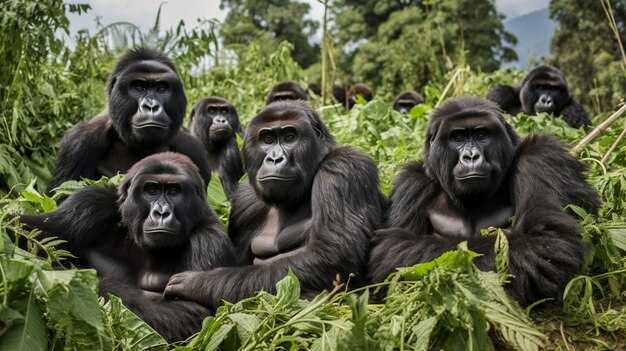
Reason 3: Iconic encounters and a wonderful living culture The gorilla families habituated for visitors offer intimate moments–watch a silverback, a mother with a youngster, and a wobbly juvenile–often within a few meters. The terrain’s mist and volcanic backdrop create a dramatic view that stays with you. The local community, including hosts like antoinette, keeps cultural traditions alive and ensures hospitality remains warm after each trip.
Reason 4: A reliable network of lodges and trips Rwanda’s hospitality sector ranges from eco-lodges to luxury retreats, all positioned for quick access to the park gates. Operators arrange smooth trips and day-drives that maximize value and comfort; even if you travel anywhere, you can join the gorilla trek with a lakeside or savannah extension for a richer itinerary. For wildlife enthusiasts, a side excursion to Akagera offers sightings of elephants, buffalo, and, in seasonal conditions, lions.
Reason 5: Community impact and accountable reporting A portion of park and lodge expenditures funds local schools, health clinics, and conservation projects, with a formal report detailing how funds are allocated. Local guides, trackers, and cooks provide stable living and career paths, boosting safety and quality of experiences. The hospitality network around the park benefits from and contributes to a resilient community, making every trip more meaningful.
5 Practical Reasons Rwanda Leads Gorilla Trekking
Get permits early and book a guided trek with a trusted rwandan operator to secure the best gorilla experience; these reasons highlight why Rwanda leads gorilla trekking. Reason 1: Streamlined access comes from a compact habitat zone near Volcanoes National Park, where habituated families concentrate and treks stay within a predictable window between dawn and late morning, reducing planning stress.
Reason 2: Local guides like antoinette, a rwandan veteran, guide treks with intimate forest knowledge, often spotting monkey groups and adjusting pace to keep you safe while you encounter wildlife, while you absorb the scenery.
Reason 3: Direct community benefits and sustainable tourism. A portion of trek fees supports conservation projects, schools, and rwandans working in parks, keeping the local economy vibrant and tourism resilient; youre,left feeling inspired.
Reason 4: Safety-first approach reduces risk with trained guides, trackers, and strict distance rules, ensuring you stay with the group and learn etiquette for respectful encounters in the forests, then you carry that mindset into every other trek.
Reason 5: modern logistics and thoughtful touches elevate every trek. modern infrastructure enables reliable scheduling and permits, plus offering coffee breaks with local communities, so you experience something special anywhere; the moments between gorilla encounters last in memory.
Simple Permit Booking and Transparent Availability
Reserve your Rwanda gorilla trekking permit at least six months in advance through the official Rwanda Development Board portal to guarantee a slot and current rates. As of 2024, the price is $1,500 per permit for international visitors, and quotas fill quickly during peak seasons. Have all traveler details ready, and ensure the name matches your passport before you submit the payment to avoid delays at the park gate.
Transparent availability means a live calendar with real-time updates from the RDB and trusted operators. You can see which days still have permits, compare options, and plan around weather windows for gorilla visits and other activities; visits to locals and community experiences come with flexibility. Use that visibility to decide on a bucket of experiences in destinations around the park, including stays at selected hotels near Musanze.
Booking steps: open the official portal, select your dates, enter traveler names exactly as in passports, upload required documents, and pay the fee. The system sends an electronic permit (e-permit) by email; carry a printed copy as well. If you have undergone name changes since your passport was issued, update before submission to avoid delays at the park entrance.
Transparency also extends to the choices you can pair with gorilla trips. You can align your main safari with visits to plantations, heritage sites, and other attractions; this approach makes your planning compelling and less hard-pressed for last-minute changes. Options include experiences that suit both first-time visitors and repeat travelers, with locals sharing insights into conservation and community efforts. This knowledge helps you understand the heritage of the region through authentic encounters, and it resonates with both worlds of conservation and travel. Partners emphasize leaving no trace, including taking back plastic waste from the trails.
For reliable information, check the источник and official portals. Some travelers rely on trusted notes from sources like kellythe, who highlights early booking and date flexibility. This approach helps you avoid last-minute price spikes and ensures you have a clear plan that includes travel, stays at hotels, and carefully chosen destinations across the region.
Finally, recognize that gorilla trekking sits within africas broad spectrum of biodiversity and heritage. Plan with care to protect the primates and support local heritage through responsible visits. By booking through official channels and maintaining open communication with your guide, you gain confidence about availability and practical details across africas destinations.
Short, Predictable Trek Routes and Timings
Start with the first trek slot of the day, usually around 08:00, and follow a fixed, well-marked route. This delivers reliable times and makes your land itinerary easier to manage.
antoinette leads a local team that coordinates guides, trackers, and rangers. They ensure permits are in place before trips and keep groups on established paths to protect habitat. The route design minimizes elevation surprises, and the first stretch often rewards you with shade and light filtering through bamboo, setting up a gorgeous backdrop for a photo.
Scheduling around fixed start times and known trails keeps the experience sustainable and immersion-friendly for tourist and community alike. Such planning reduces stress, helping your last visits to nearby communities feel smooth and authentic.
| Route | Start Time | Estimated Duration | Notes |
|---|---|---|---|
| Morning habituated group A | 08:00 | 2.5–4 hours | Known gorilla group on a fixed trail; best for first hours and photo opportunities. Permits checked in advance; good for families with moderate pace. |
| Morning alternate route B | 08:30 | 2–3 hours | Used when Group A moves; stable times; reduces crowding; keeps wildlife sightings intact. |
| Late-morning option C | 09:00 | 2–3 hours | Shorter ascent, shaded sections; ideal if weather changes or if you visited earlier in the week. |
This predictable framework has provided incredible experiences for visiting tourists, with chances to capture a memorable photo, and to plan additional visits to elephants and buffalo in nearby habitats. For first-timers, this approach offers clarity and confidence, backed by antoinette’s team and supportive governments.
Highly Trained Guides with Strong Safety Protocols
Book a trek with a licensed guide who strictly follows Rwanda’s safety standards and carries a ready-to-use first-aid kit, a satellite phone, and park radios. They begin with a concise safety briefing and set a steady, sustainable pace to keep the group together and ensure observation of gorillas up close without risking anyone’s safety or theirs.
- Three core pillars guide every excursion: training, equipment, and on-site routines. They complete accredited field programs, wildlife safety coursework, and evacuation drills; their certifications include first aid and crisis management.
- Trail discipline and wildlife safety: On the trail they manage pace, acclimatization, and encounter distance; they remind you to keep noise low and to avoid sudden movements, and they adjust routes if gorilla behavior shifts.
- Equipment and comms: Guides use radios or satellite phones, maintain contact with a lead ranger, and carry a well-stocked first-aid kit plus water and sun protection; they plan rapid evacuation if weather or conditions worsen.
- Wildlife etiquette and risk management: They teach you not to stare or run, stay with the group, and give gorillas space; they brief you on a bird sighting and buffalo behavior so you can observe safely from a respectful distance.
- Post-trek planning and accommodations: After the trek, your guide coordinates with lodges, hotels, or other accommodations to arrange transfers and clarify visit timings; if you have left items, they store them securely at the property.
In Rwanda, those who book with responsible operators gain truly safe experiences that blend nature with comfort. Their teams deliver world-class safety while allowing you to live the adventure; you’ll leave with opinions about safety and service, and share them to help operators improve training and protocols over time. The page of tips they share helps you prepare so that when you arrive, you can focus on the moment and the close encounters with gorillas, a bird sighting, and buffalo behavior – a living example of how safety and wonder can coexist in two worlds. This approach serves both first-time trekkers and seasoned visitors.
Conservation-Driven Habitat Management for Reliable Sightings
Implement habitat corridors now to improve gorilla sightings during trek. This unique, long strategic approach links core zones of the forest, supporting food resources for gorillas and reducing encroachment around the park. With connected habitat, giants stay in stable groups throughout, making safaris more predictable for visitor experiences.
Permits cap daily trek numbers and fix visiting windows, ensuring minimal disturbance. Lodges coordinate arrivals with guides and share practical advice with visiting guests to stay quiet, keep distance, and respect gorilla groups.
Adopt modern, data-driven management with monitoring across the park. Rangers collect counts, track movements, and review which zones yielded reliable sightings last month and last season. Data is taken from trail counters and field notes; this information guides decisions on which habitats to restore first and how to route safaris throughout the year.
Engage local members in habitat work; their stewardship keeps forests healthy around villages. Community-led patrols reduce poaching and protect wetland zones used by hippos and other wildlife, while ensuring visitor safety near water sources. Cross-border collaboration with countries helps maintain wildlife corridors around watershed areas, benefiting gorillas, lions, and other species alike.
Trail management ensures quiet hours and routes avoid core feeding areas, reducing stress on troops and improving reliability for visitor groups during treks and safaris.
Warm Hospitality and Community-Based Experiences
Book a community-based gorilla-trekking package that sources guides and porters from local villages to ensure your visit directly benefits residents, supporting rwanda’s communities.
Hosts greet you with tea, stories, and a home-cooked meal. Guides share the community’s heritage and conservation values; this approach builds trust because visitors interact directly with people who safeguard the gorillas, not only with distant operators. It reflects generations of practice that have undergone refinement over time, and it connects you with others in the community.
Ask your operator for a short list of village experiences, each led by someone from the village who shares expertise and takes pride in the craft. Ensure a portion of the fee you provide goes to the community fund that supports schooling, healthcare, and trail maintenance, and ask for clear advice on when to join dances and talks at different times.
At Iby’Iwacu Cultural Village you can watch traditional performances and speak with artisans after the show, gaining insights into rwanda’s beauty and heritage firsthand. Hosts in Musanze also arrange walks to nearby waterfalls and visits to markets, stitching together wildlife with culture throughout your day.
Throughout rwanda, family-run lodges and guides invite you to dinner with the host family, where you learn about daily life, share stories, and practice some of the local languages. If you travel with safaricom connectivity in town, you can coordinate last-minute plans, request a stop at a dark river bend to spot hippos on a waterway, and receive practical advice from hosts who know the trails well. Please plan your day with hosts to maximize your time.