


 English (UK)
  Русский
  বাংলা
বাংলা  العربية
  日本語
日本語  한국어
한국어  Magyar
  Norsk nynorsk
  Türkçe
  עִבְרִית
  Español
  Čeština
  Svenska
  Português
  Ελληνικά
  Suomi
Suomi  Nederlands
  Română
  Italiano
  Français
  Polski
  Українська
  Deutsch
  简体中文
简体中文  Slovenčina
  Српски језик
  اردو
اردو  Azərbaycan dili
  O‘zbekcha
  አማርኛ
አማርኛ 
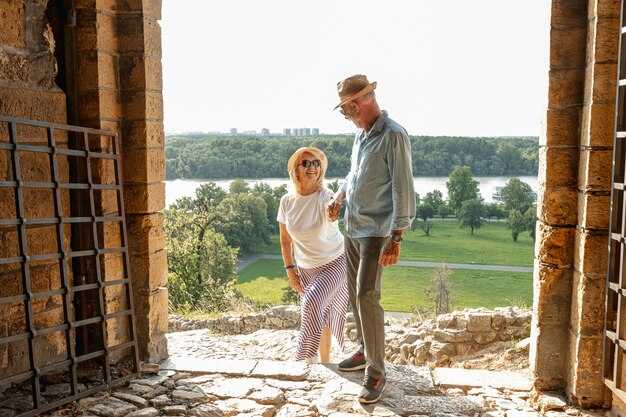
Start your journey with a picnic on the Aventine Hill at sunset, and let the city reveal its rhythm before you dash toward the next landmark. This isnt about ticking boxes; it’s about letting a single, quiet moment set the pace for your time in Rome.
In Rome, millions of moments reveal an established heritage that invites you to slow down. Each corner of the citys streets holds a different flavor, from the marble of a chiesa to the echo of a fountain, and the walk from the Pantheon to Piazza Navona feels like a living museum.
The winding lanes reveal features that are constantly topped with sunlight and shadow. The Colosseum arches, the chiesa bells, and hidden courtyards all tell stories that couldnt be reproduced by a single guidebook; this city offers an extraordinary blend of history and present-day life.
Whether you crave a quiet rooftop view or a little picnic, you’ll find a path that fits your pace. The flavors of Roman cuisine–supplì, carciofi, and gelato–surprise with each bite, and a simple stroll through Trastevere after dark often reveals a neighborhood that feels newly minted.
This journey through Rome reveals 11 reasons to fall in love with the Eternal City, from its layered heritage to its modern, everyday charm. Prepare practical tips: book museums in advance to skip lines, start at dawn to beat crowds, and choose a hilltop or riverside spot for a sunset picnic when the weather cooperates.
Rome Travel Guide: 11 Reasons to Fall in Love with the Eternal City
Begin your Rome visit with a single dawn stroll through the Colosseum precinct to set the tone for the trip.
For an authentic experience, head to Trastevere’s lanes at sunset and dine with Maria at a family-run trattoria that uses simple ingredients.
Awe-inspiring arches frame the light as you stand near peters, the area around Saint Peter’s Basilica that travelers often overlook.
Inside the city walls you feel being part of a living museum where every sip of coffee tastes of history.
Ask about a plate of pasta with olive oil, pepper and lemon; learn how chefs balance flavors when the recipes were handed down through generations.
Taking a break in a sunny plaza, tourists mingle with locals; take a slow walk through the alleyways to discover hidden courtyards that echo the cities you’ve visited.
Summer nights bring a soft light across the Tiber, inviting you to cross bridges and watch street performers along the riverbank and discover new corners.
Explore Monti for a lively, artful vibe where vintages and handmade crafts line the streets; this is the city you carry in your pocket as you travel between tastes and textures.
Light filters through narrow arches at noon, revealing mosaics and faces of locals who graciously share stories, and you learned something new on each corner.
There are countless corners to explore, from Trastevere to Testaccio; take time to discover that each neighborhood holds a micro-city inside the bigger city.
By the end of your stay in this ancient city, you will want to return for another month of discovering experiences and a deeper sense of place, not because of a single sight but because the experience lives in you.
3-Day Itinerary to See Rome’s Icons Quickly
Begin your 3-day Rome trip at the arena at sunrise to beat tourists and capture a must-see icon from inside the Colosseum.
These routes have you cover the Forum and Palatine Hill in a single loop to discover multiple landmarks; that would feel natural, quick, and avoids backtracking. Afterward, grab tickets for the Colosseum and Forum as a combined package to save time and skip the worst queues that millions of visitors face later in the day.
On Day 2, visit Vatican Museums, Sistine Chapel, and St. Peter’s Basilica. Book tickets in advance with a timed-entry window to skip the line and respect the security routine that accompanies every visit to this political heart of Rome’s art and faith.
Finish Day 3 with a stroll from Pantheon to Navona, a charming spot where life slows down and listening to street musicians adds character to the walk. Then move to Trevi Fountain and the Spanish Steps for classic photo spots that locals and tourists alike treasure; thats a quintessential Rome moment you would want to repeat on every trip soon.
| Day | Time | Activity | Location | Notes |
|---|---|---|---|---|
| Day 1 | 08:00–10:00 | Colosseum arena visit | Colosseum | Tickets: combined Colosseum + Forum. Arrive early; avoid queues |
| Day 1 | 10:15–12:00 | Roman Forum & Palatine Hill walk | Roman Forum / Palatine Hill | Discover ruins; wear comfy shoes; allocate 2 hours |
| Day 1 | 13:45–15:30 | Capitoline Hill overlook | Capitoline Hill | Main viewpoint for city panorama |
| Day 2 | 09:00–11:30 | Vatican Museums & Sistine Chapel | Vatican Museums | Timed-entry tickets; dress code in effect |
| Day 2 | 12:00–12:45 | St. Peter’s Basilica | St. Peter’s | Respectful attire; security lines vary |
| Day 2 | 16:00–17:30 | Castel Sant’Angelo vantage walk | Castel Sant’Angelo | River views; light crowds |
| Day 3 | 08:30–10:00 | Pantheon visit | Pantheon | Free entry; early hours are quieter |
| Day 3 | 10:15–11:45 | Navona stroll with listening | Piazza Navona | navona; listening to street musicians; charming spot |
| Day 3 | 12:00–13:00 | Trevi Fountain & Spanish Steps | Trevi Fountain / Spanish Steps | Coin toss moment; life-filled square |
| Day 3 | 13:30–14:30 | Lunch break | Near Navona | Relax and reflect on the trip; visit soon for another round |
Skip-the-Line Tickets for Colosseum, Vatican Museums, and Pantheon
Book official skip-the-line or timed-entry slots for Colosseum, Vatican Museums, and Pantheon, and plan visits in a tight morning-first rhythm. Easter weekend attracts many visitors, so secure slots at least 6–8 weeks ahead to save space in your schedule, and frequently check for any last-minute offers.
Colosseum: book on the official CoopCulture site for the Colosseum, Palatine Hill, and Forum combo. Choose a morning slot, 9:00–10:00 if possible, to dodge the crowd and savor the atmosphere while you’re fresh. The Arena Floor upgrade is a premium option; the standard combo covers access to the Colosseum plus Palatine Hill and Forum. Arrive 15 minutes early, have your ticket on a smartphone, and plan to stroll the surrounding streets and piazzas afterward. For a quick bite, street vendors around Piazza del Colosseo offer cacio- and ricotta-based snacks–great for a light picnic before or after your visit.
Vatican Museums: book on museivaticani.va or through official partners, and select the timed-entry or skip-the-line option when available. Target a morning or early afternoon slot, because lines grow long as the day progresses. Security checks can add 15–30 minutes, so head straight to the turnstiles with your booking. Afterward, consider pairing this visit with St. Peter’s Basilica to keep your plan compact, or stroll along the Tiber to soak up the piazza atmosphere. If you love street snacks, you could grab a quick ricotta-based bite before moving on.
Pantheon: there is no universal skip-the-line ticket for the Pantheon; entry is often free, and lines can move slowly at peak times. To save time, join a small-group guided tour that includes priority entrance or book a partner-led express entry. Plan a visit during the late morning or late afternoon when light pours through the oculus and the interior feels serene. This version of your Rome day features the famous statue-lined interior and a calm atmosphere that suits a slow, almost meditative pace.
After the tours, embrace the vibe of Rome’s piazzas and street life. If you want a relaxed finale, spread a picnic on the grass by a villa garden or in a quiet corner of a piazza, and savor ricotta with honey or cacio on artisan bread. You could wander toward Piazza Navona, Piazza della Rotonda, or other piazzas, discovering street musicians and statue displays along the way. This could be your third stop or your last visit for the day, a version of Rome that feels truly yours. For a sweet break, grab balls of gelato and watch the crowd flow, almost like the Nile in a calm, endless current. Take a moment to left the bustle behind and embrace what you learned in these spaces; plan future visits with confidence and indulge in more discoveries, from a quiet villa retreat to a lively street market.
Best Neighborhoods to Stay in for Easy Access to Landmarks
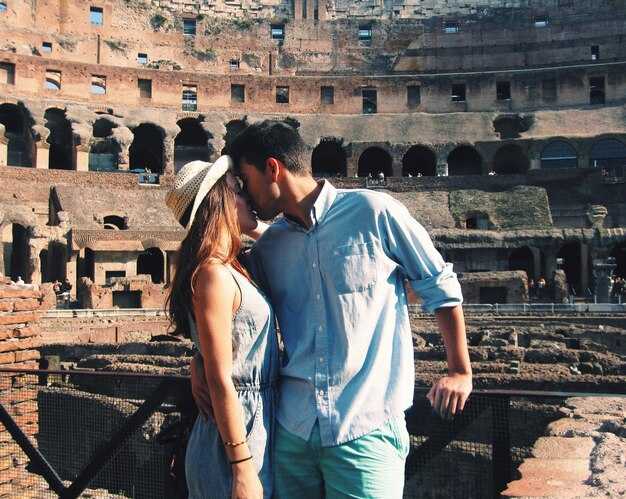
Stay in the navona-area of Centro Storico for an iconic base with five minutes to Pantheon, Trevi, and other landmarks. The winding streets, market culture at Campo de’ Fiori, and world-class dining keep mornings quiet and evenings moving with energy that travelers love. Dont miss the Campo de’ Fiori market.
Here are five neighborhoods that offer easy access and distinct vibes. Each spot keeps you close to major sights, shopping, and fresh ingredients for meals after long days of sightseeing.
-
navona area, Centro Storico
Iconic center around the navona square, ideal for first-time visitors who want to be in the heart of Rome. The area offers quick access to Pantheon and Trevi, with walking times of roughly 5–12 minutes to each; Campo de’ Fiori market is a daily hub for shopping and fresh ingredients. Choose this base to enjoy a loved mix of history, cafes, and lively streets–plus villa-style apartments that feel like a home away from home.
- Walking times: Pantheon 5–8 min; Trevi Fountain 8–12 min; Colosseum 25–30 min; Vatican 40–45 min by foot or short metro ride
- Best for: iconic sights within reach, historic architecture, and easy morning markets
-
Monti
Bohemian town vibe with boutiques, antique shops, and hidden courtyards. It sits within a comfortable stroll to the Colosseum and Roman Forum, about 15–20 minutes on foot, with easy transit options to the rest of the city. Mercato Monti offers creative products, while nearby trattorie serve fresh ingredients and simple cooking. Monti is loved by travelers for its balance of energy and calm, with villa-style rentals and a strong sense of place.
- Walking times: Colosseum 15–20 min; Roman Forum 20–25; Trevi 25–30
- Best for: town vibe, world-class eateries, and hidden gems
-
Prati
Elegant, wide avenues and easy access to the Vatican. Prati keeps crowds lighter in the mornings and provides straightforward transit to St. Peter’s and Ottaviano metro stations. Via Cola di Rienzo and nearby markets offer shopping and fresh market finds; ideal for families and couples who want steady pace and excellent pizza and seafood options for dinner.
- Walking times: Vatican Museums 15–20 min; St. Peter’s 20–25; Spanish Steps 25–30
- Best for: christian heritage proximity, calm streets, and convenient shopping
-
Trastevere
Hidden lanes, summer skies, and a vibrant dining scene. Trastevere delivers a true neighborhood feel with easy river views and frequent buses to central sights. From here you can stroll to the Pantheon in about 25–30 minutes or ride to the Colosseum in 30–40 minutes. It’s a beloved space for peoples from around the world who want a romantic, authentic Rome experience, with plenty of markets and ingredients for home cooking.
- Walking times: Pantheon 25–30 min; Colosseum 30–40 min; Tiber Island 15–20
- Best for: romantic evenings, hidden courtyards, and authentic Roman food
-
Testaccio
Food-forward neighborhood with Mercato Testaccio and direct access to local flavors. It’s a short ride or walk to major sights and offers generous value for stays in a calm, authentic town area. Expect lively markets, fresh ingredients, and simple, delicious meals at inexpensive prices. Testaccio appeals to travelers who want a true Roman heartbeat without crowded streets.
- Walking times: Colosseum 20–25 min; Pantheon 25–30; Vatican 35–40
- Best for: market atmosphere, affordable stays, and true Roman cuisine
Times are approximate and depend on pace and routes chosen. Consider starting days early to enjoy cooler skies and quieter streets, then move between neighborhoods by walking when possible or by a short metro ride for longer hops. Each area offers a distinct flavor, reasons to love Rome, and easy access to major landmarks, while keeping shopping opportunities and rich ingredients at hand.
Where to Eat Near Major Sights: Local Dishes You Must Try
Try supplì al telefono and cacio e pepe at a cozy trattoria in Monti, a short walk from the Colosseum. If youre planning your week in Rome, this bite kicks off a five-stop loop that stays close to history, in a gallery of spots loved by locals. Years of tradition have created this plan, offering plenty for visitors who want to taste the city without rushing from one crowd spot to another.
-
Colosseum & Monti
- Must-try dishes: supplì al telefono, cacio e pepe, coda alla vaccinara
- Spot: a cozy trattoria in Monti with a collections of rustic rooms and a friendly waiter who stays listening to the room’s chatter while guiding your course
- Why go: extended lanes lead to gorgeous piazzas and a statue peeking from a corner, making this spot ideal for a relaxed lunch before you return to the Forum
-
Pantheon & Trevi Fountain
- Must-try dishes: amatriciana, pasta alla gricia, tiramisu
- Spot: a tiny trattoria near Piazza della Rotonda that keeps the menu simple and focused
- Why go: the course of flavors matches the rhythm of century-old streets; visitors mingle with locals, and everyone leaves with a smile
-
Vatican & Prati
- Must-try dishes: saltimbocca alla Romana, carciofi alla Romana, spaghetti alla carbonara
- Spot: an osteria in Prati just off the busy arteries, with quiet squares and easy access from the Tiber
- Why go: churches nearby offer quiet moments between bites, and the extended stroll back to the river reveals gorgeous architecture at every turn
-
Trastevere
- Must-try dishes: porchetta sandwich, supplì, fiori di zucca ripieni
- Spot: a family-run trattoria along Trastevere’s narrow lanes, where you can sit outside and listen to street musicians
- Why go: this neighborhood feels like a living museum; plenty of authentic flavors and a lively society of locals who love to chat over plates
-
Navona & Spanish Steps area
- Must-try dishes: panna cotta, gelato, spaghetti all’amatriciana (if you want a final taste of Rome’s pasta)
- Spot: a classic, old-school restaurant near Piazza Navona with a warm, friendly staff
- Why go: this zone created a perfect close to your week, a spot where visitors and locals exchange stories and plan future returns
Getting Around Rome: Metro, Buses, and Walkable Routes for Visitors
Get a Roma Pass for 48 hours and pair it with a reusable contactless transit card to cover metro, buses, and most museums, trimming queues and letting you move with confidence. From Termini, hop the Metro B to Colosseo, then walk to the Forum and Palatine Hill for a best-preserved image of ancient civilization and views you’ll remember through the city’s rhythm. Think in terms of two strong hubs–Termini and the Vatican area–with a third stop along the Tiber for varied scenes. There you’ll feel the magic of moving through Rome.
The Metro keeps you moving fast between core sights: lines A, B, and C serve the central districts. Line A reaches the Vatican, line B heads toward Colosseo, and line C links Termini with Roman suburbs. Buy a ticket at machines in English, validate on entry, and keep it for transfers; most rides stay under 20 minutes, and for visitors this setup saves time as you switch lines to reach different routes. This approach also reduces the impact on your day by avoiding crowded gaps.
Buses fill gaps where the Metro doesn’t reach, letting you stroll from Campo de’ Fiori market to the Tiber riverside and into neighborhoods like Trastevere. Use daytime routes for steady service, and check night buses if you want to return after sunset. The market scenes, churches, and trattorias along these routes offer a different perspective from the central hubs.
Walkable routes let you experience different sides of Rome in a single day. Start near the Pantheon and move toward Trevi Fountain, then continue to Monti for century-old churches and a string of trattorias serving dishes such as beef carpaccio. There, while you stroll, the same cobbled lanes offer views of the river and the city’s layers, and you can think about how history moves through centuries.
Practical tips for visitors: keep valuables in a zipped bag and show courtesy to locals; follow practices like ticket validation, and step aside to let others alight. Plan to visit churches during open hours and markets early in the morning for the freshest produce and best atmosphere. When you eat, choose trattorias with window-facing counters to sample beef dishes and Roman specialties in a lively setting.
Keep a flexible pace. A tight loop that blends two metro hops with a long walk keeps you moving without fatigue. If you want to stay on the public network, carry a backup plan for rainy days and a central hub to return to. This plan makes sightseeing efficient while helping you keep a realistic pace and savor the magic of Rome both night and day.